
Beautiful Plants For Your Interior
Beautiful Plants For Your Interior
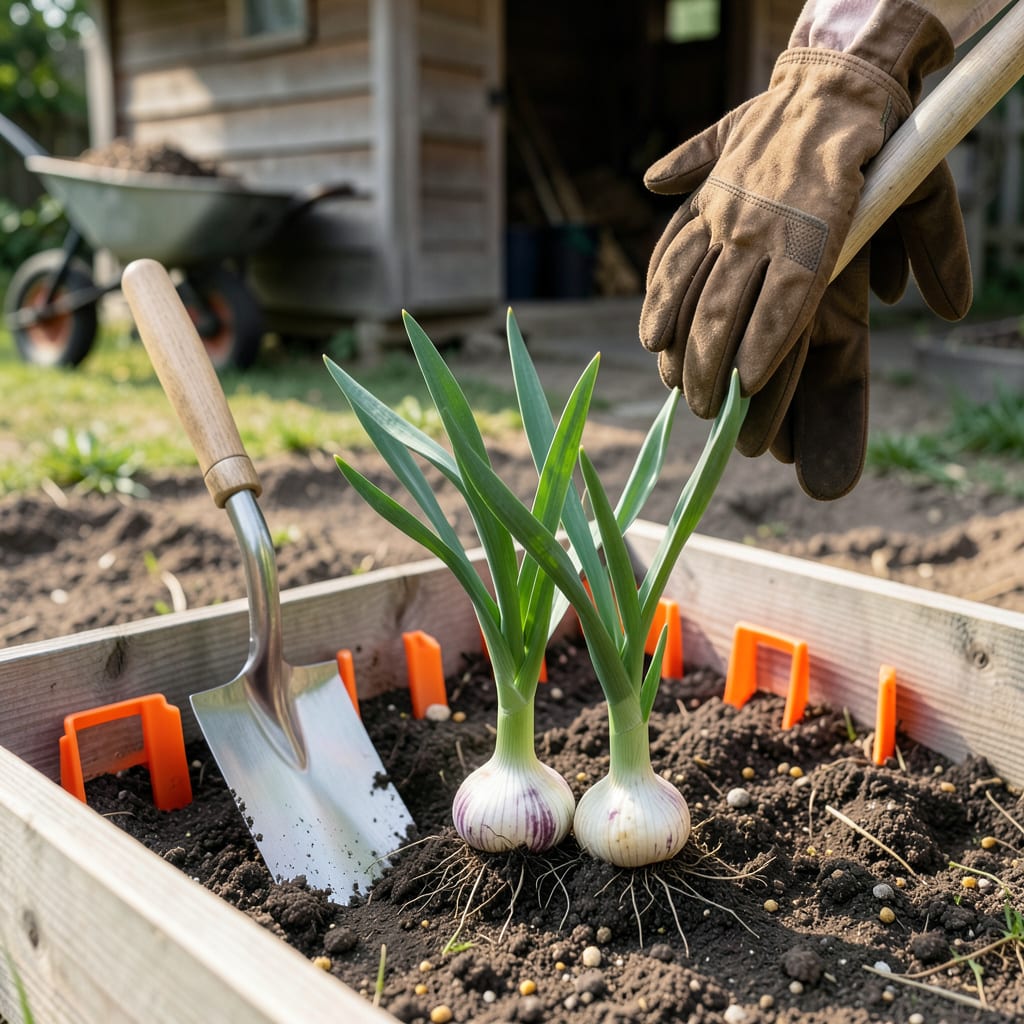
Timing is everything when it comes to growing plump, flavorful garlic in Georgia. Plant too early, and your cloves might sprout prematurely. Wait too long, and you’ll miss the window for roots to establish before winter.
After years of testing, I’ve found that October through November is the sweet spot for Georgia’s climate—especially in Zone 7b. Let me show you exactly how to nail the timing for a harvest that’ll make your neighbors jealous. 🧄
Georgia’s diverse USDA zones (7a–9a) mean planting windows vary dramatically from the mountains to the coast. In North Georgia (Zones 7a–7b), you’ll want to plant 2–3 weeks earlier than in South Georgia (Zones 8b–9a). 🌱
The secret? Aim for 4–6 weeks before your first frost. This gives cloves time to develop roots—but not tops—before winter. For most of Georgia, that means mid-October to mid-November, though coastal gardeners can push into early December. ☀️
| Region | USDA Zone | Ideal Planting Window | First Frost Date |
|---|---|---|---|
| North Georgia | 7a–7b | Oct 1–Nov 1 | Oct 20–Nov 10 |
| Middle Georgia | 8a | Oct 15–Nov 15 | Nov 10–Nov 25 |
| South Georgia | 8b–9a | Nov 1–Dec 1 | Nov 25–Dec 15 |
*Soil temp should be 50–60°F at planting for optimal root growth.
Why does this timing matter? Garlic needs vernalization—a period of cold exposure—to form bulbs. Plant too late, and cloves won’t develop properly. In Zone 9a, where winters are milder, I’ve had success planting as late as early December with a thick mulch. 🌡️
For hardneck varieties (like German White), which thrive in Georgia, planting in October ensures they get enough chill hours. Softneck varieties (like Silverskin) are more forgiving and can handle a slightly later planting in November. ✂️
Pro tip: Use a soil thermometer to check temps at 2-inch depth. If it’s consistently below 60°F, it’s go time. In Atlanta (Zone 8a), I start monitoring temps in early October and plant when nights dip into the 50s. 💧
What if you miss the window? Spring-planted garlic in Georgia rarely bulbs well—it’ll produce greens but no cloves. If you’re desperate, try pre-chilled cloves (refrigerate for 6 weeks) planted in late February, but expect smaller yields. 🌿
Remember: Georgia’s humid summers mean garlic planted too late may rot. I lost an entire bed one year by planting in December during a warm spell—don’t make my mistake! Stick to the zone-specific windows above for reliable results. 🪴
For coastal Georgia (Zone 9a), where frosts are rare, focus on day length rather than frost dates. Plant when days shorten to 10–11 hours of sunlight (usually early November). This mimics the natural trigger for bulb formation. ☀️
Still unsure? Contact your local UGA Extension office—they often have hyper-local frost data. I’ve found their soil temperature maps invaluable for pinpointing planting days in microclimates like the Blue Ridge Mountains versus the Piedmont. 📋
Getting garlic right in Georgia starts with perfect soil prep. I always begin by testing my soil’s pH level—aim for 6.0–7.0 for happy bulbs. Mix in 2–3 inches of compost or aged manure to boost fertility, especially if your soil is heavy clay. 🌱
Next, select your garlic cloves carefully. Skip the grocery store and opt for seed garlic from a trusted supplier. In Georgia, softneck varieties like Silverskin or Artichoke thrive, but I also love hardnecks like Chesnok Red for their bold flavor. 🪴
When planting, break bulbs into individual cloves just before going into the ground. Plant each clove pointy-end up, 2–3 inches deep, and 6 inches apart. Rows should be 12 inches apart to allow for airflow. After planting, water lightly to settle the soil. ☀️
Mulching is non-negotiable in Georgia. I use 4–6 inches of straw or shredded leaves to insulate cloves from temperature swings. This keeps soil temps steady and prevents winter heaving. Come spring, pull back mulch to let shoots emerge, but keep it handy for weed suppression. ✂️
Watering is simple but critical. Stick to 1 inch per week, including rainfall. Georgia’s humid summers mean you’ll need to cut back as harvest nears—stop watering 2–3 weeks before digging to let bulbs cure. Overwatering now leads to rot or small cloves. 💧
Finally, patience pays off. Garlic takes 8–9 months to mature in Georgia. Harvest when lower leaves brown but upper leaves stay green. Use a fork to gently lift bulbs, then cure them in a shady, breezy spot for 2–3 weeks before storing. 🌿
Not all garlic thrives in Georgia’s humid subtropical climate, but these five varieties consistently deliver. I’ve tested dozens over the years, and these stand out for their disease resistance, storage life, and bold flavors that shine in Georgia’s soil. 🌱
For North Georgia (Zones 7a–7b), hardneck varieties like German White and Chesnok Red excel thanks to their cold tolerance. Meanwhile, South Georgia gardeners (Zones 8b–9a) will love softnecks like Silverskin for their heat resilience. Here’s the breakdown: ☀️
Pros: Cold-hardy, rich flavor, stores 6+ months.
Cons: Needs vernalization; shorter shelf life than softnecks.
Best for: North Georgia (Zones 7a–7b).
Pros: Heat-tolerant, stores up to 12 months, high yield.
Cons: Milder flavor; can be less cold-hardy.
Best for: South Georgia (Zones 8b–9a).
Pros: Sweet when roasted, disease-resistant, great for baking.
Cons: Shorter storage (4–5 months).
Best for: Middle Georgia (Zone 8a).
Pros: Large bulbs, adaptable to heat, stores 8–10 months.
Cons: Can be less flavorful than hardnecks.
Best for: All zones; beginner-friendly.
Pros: Locally adapted, spicy-sweet, resists white rot.
Cons: Harder to find; shorter storage (3–4 months).
Best for: Humid areas; try Southern Exposure Seed Exchange.
For organic gardeners, Georgian Crystal is a standout—it’s bred for Southern humidity and resists common fungal issues. I’ve grown it for three years near Savannah, and it outperforms grocery-store varieties every time. Its purple-streaked wrappers also make it a market favorite! 🌿
If storage life is your priority, Silverskin is the winner—it keeps until the next harvest. But for flavor enthusiasts, Chesnok Red (with its caramelized notes) or German White (bold and long-lasting) are top choices. Pro tip: Plant a mix to extend your harvest window! ✂️
Where to buy? Skip big-box stores. I recommend Southern Exposure Seed Exchange (Virginia) or Georgia-based farms like Comfort Farms in Milledgeville. They carry varieties tested in our climate, so you avoid the trial-and-error I went through my first year! 💧
Remember: Hardnecks need cold winters to bulb properly, while softnecks handle milder zones better. In Zone 9a, I’ve had success with Artichoke planted in late November—it’s forgiving and productive even in Savannah’s heat. 🌡️
Planting after early December in most zones risks poor bulb development. Cloves need 4-6 weeks to establish roots before winter. Late planting often results in smaller bulbs or just green shoots.
Avoid it! Store-bought garlic is often treated to prevent sprouting. Instead, use seed garlic from reputable suppliers like Southern Exposure Seed Exchange. It’s disease-free and adapted to our climate.
Plant cloves 2-3 inches deep, pointy-end up. This depth protects them from Georgia’s temperature swings while allowing strong root growth. Too shallow, and they may heave in winter.
Use 4-6 inches of straw or shredded leaves. This insulates soil, retains moisture, and prevents weeds. Avoid hay—it often contains weed seeds. Mulch is critical for Georgia’s unpredictable winters.
Splitting usually means inconsistent watering or planting too late. Georgia’s humidity demands even moisture—aim for 1 inch per week. Stop watering 2-3 weeks before harvest to let bulbs cure properly.
