
Beautiful Plants For Your Interior
Beautiful Plants For Your Interior
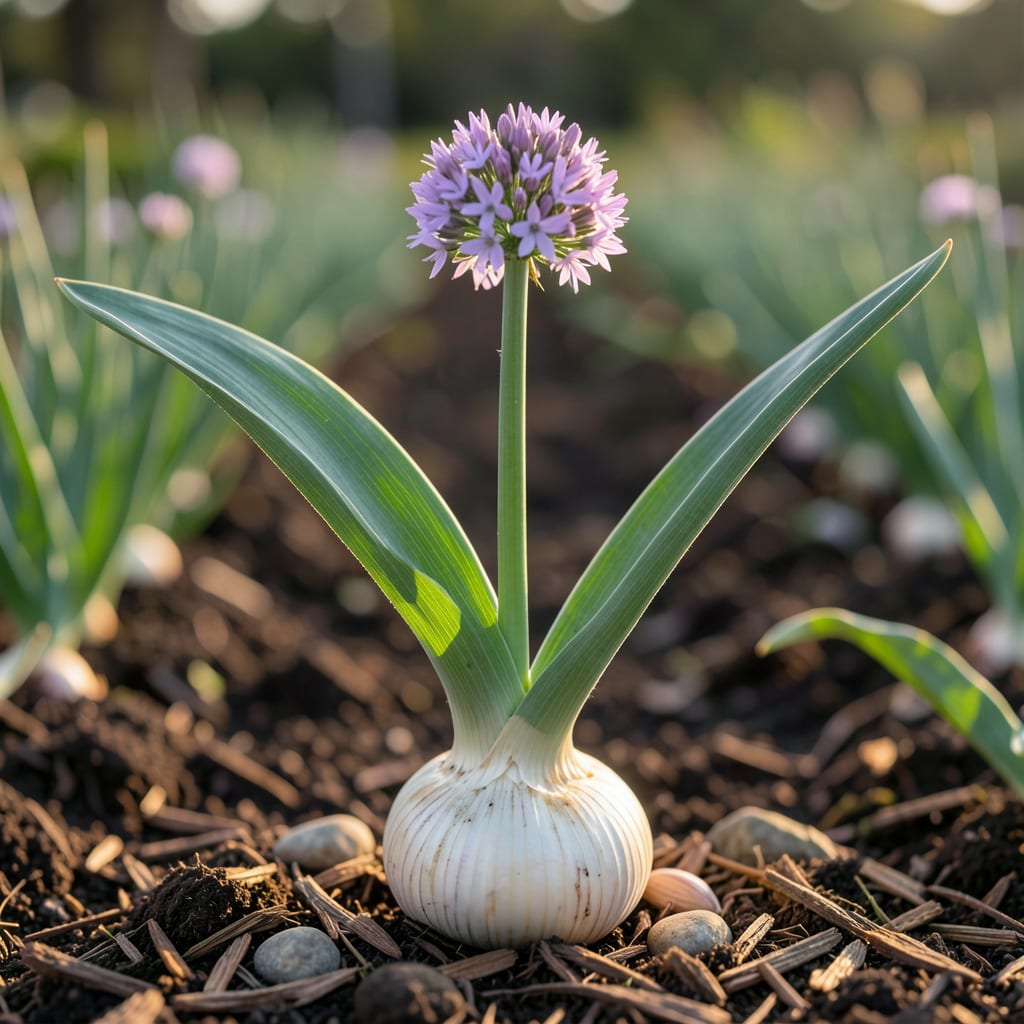
Florida’s warm winters can trick even seasoned gardeners into planting 🧄 at the wrong time. That mistake often means puny bulbs—or worse, no harvest at all. The key? Working with the state’s unique climate, not against it.
I’ve tested planting windows across Zone 9b, and the difference between a thriving crop and a flop comes down to just 4–6 weeks. Let’s cut through the guesswork so you can plant with confidence—and pull plump, flavorful garlic next spring.
Florida’s diverse climate means garlic planting isn’t one-size-fits-all. In North Florida, you’ll want to plant earlier—October through December—to give bulbs enough chill time before spring. The soil temperature sweet spot is 60–70°F at 2″ depth.
Down in Central and South Florida, where winters are milder, you can push planting into November–January. The key here is avoiding summer’s heat, which can stunt bulb development. I’ve found late November works best for most of the peninsula.
| Region | Planting Window | Harvest Time | Key Tip |
|---|---|---|---|
| North Florida (Zones 8-9) |
Oct–Dec | April–May | Plant 4–6 weeks before first frost |
| Central Florida (Zone 9b) |
Nov–Jan | May–June | Mulch heavily for moisture retention |
| South Florida (Zones 10-11) |
Dec–Jan | June–July | Pre-chill cloves 4–6 weeks |
In South Florida (Zones 10–11), where frost is rare, you’ll need to pre-chill cloves for 4–6 weeks in the fridge before planting. This mimics winter and triggers proper bulb formation. I use a paper bag in the crisper drawer for this.
For all regions, soil prep is non-negotiable. Florida’s sandy soil drains too fast, so I mix in 2–3 inches of compost and a handful of bone meal per square foot. This gives garlic the nutrients it needs to size up. Plant cloves 2 inches deep, pointed end up, spaced 4–6 inches apart.
After planting, apply a 3-inch layer of mulch (straw or pine needles work well). This keeps soil temps steady and conserves moisture—critical in Florida’s dry winters. Water 1 inch per week, but cut back if we get heavy rains.
Watch for pests like nematodes, which thrive in warm soil. I rotate planting locations yearly and use neem oil as a preventive. If you’re in a particularly warm microclimate, consider planting near taller crops for afternoon shade.
Come spring, you’ll know it’s harvest time when lower leaves brown but 5–6 upper leaves stay green. In North Florida, this is usually April–May; Central/South Florida may stretch into June–July. Use a fork to gently lift bulbs, then cure them in a dry, shaded spot for 2 weeks.
For the biggest bulbs, I’ve had success with ‘Silverskin’ and ‘Artichoke’ varieties—they handle Florida’s heat and humidity better than hardnecks. If you’re organic, look for certified disease-free seed garlic from Southern suppliers.
Remember, Florida’s long growing season is a blessing and a curse. While you can plant later than Northern gardeners, our heat means you must stay vigilant about moisture and pests. Time it right, and you’ll be rewarded with plump, flavorful garlic that stores beautifully. 🌱
Florida’s warm climate might seem forgiving, but garlic planting here is full of pitfalls. I’ve seen even experienced gardeners lose entire crops to simple oversights. The good news? These three common mistakes are easy to avoid once you know what to watch for.
First, never plant store-bought garlic from the grocery aisle. Those cloves are often treated to prevent sprouting, and they can introduce diseases like white rot or nematodes into your soil. Always source from reputable seed suppliers for disease-free cloves.
Sandy soil + poor prep = tiny bulbs. Amend with 2–3 inches of compost before planting to retain moisture and nutrients. Skip this step, and your garlic will struggle to form plump cloves.
Another blunder is ignoring soil temperature. Garlic needs 60–70°F soil at planting to develop properly. Plant too early in hot soil (above 75°F), and cloves may rot. Too late, and they won’t mature before summer heat. Use a soil thermometer to time it right.
Watering mistakes are the third big issue. Florida’s dry winters and sudden rainstorms can throw off schedules. Overwatering leads to rot, while drought stresses bulbs. Aim for 1 inch of water weekly, adjusting for rainfall. Mulch with straw to keep moisture consistent.
Finally, don’t overlook variety selection. Not all garlic thrives in Florida’s heat. Stick with heat-tolerant softneck varieties like ‘Silverskin’ or ‘Artichoke’—they handle humidity and store well. Hardnecks often fail here due to insufficient winter chill.
By avoiding these mistakes, you’ll set your garlic up for success. Next, we’ll dive into the best varieties for Florida’s climate and how to care for them post-planting. Stay tuned for my top picks and pro tips! 🌱
Florida’s humidity and mild winters make garlic variety selection critical. Not all types perform equally here—some thrive in heat, while others struggle without winter chill. After testing multiple varieties, I’ve found softneck garlic consistently outperforms hardnecks in Florida’s climate.
Softnecks like ‘Silverskin’ and ‘Artichoke’ handle our high humidity and sandy soil better. They form plump bulbs even without cold snaps and store longer—up to 12 months in ideal conditions. Their flexible stems also make them perfect for braiding.
For Florida gardeners, ‘Silverskin’ is my top pick—it’s the most heat-adapted variety, with tight wrappers that resist pests. ‘Artichoke’ varieties like ‘California Early’ also perform well, offering larger cloves and milder flavor perfect for fresh use.
If you’re determined to try hardnecks, ‘Creole’ types are your best bet. They tolerate warmth better than other hardnecks but still require pre-chilling for 6–8 weeks before planting. I’ve had limited success with them in North Florida but avoid them entirely in Zone 10+.
For organic growers, seek out certified disease-free seed garlic from Southern suppliers. Avoid grocery store cloves—they’re often treated with sprouting inhibitors. I source mine from Florida-based farms to ensure varieties are already acclimated to our climate.
Remember: Florida’s long growing season means you can experiment with succession planting. Try a small test patch of hardnecks if you’re curious, but dedicate most of your space to proven softneck winners. Your harvest (and taste buds) will thank you! 🌱
Planting after January often means bulbs won’t mature before summer heat arrives. In Central/South Florida, late planting can lead to small, underdeveloped cloves or even no harvest. North Florida has slightly more flexibility, but aim for November at the latest.
Only in South Florida (Zones 10-11) where winters are very mild. Pre-chill cloves for 4-6 weeks in the fridge to mimic winter. North/Central Florida usually gets enough natural chill, but chilling won’t hurt if you’re unsure.
Use containers at least 8 inches deep with drainage holes. Florida’s sandy soil makes containers ideal for controlling moisture and nutrients. Place in full sun and water when the top inch of soil feels dry.
Watch for lower leaves turning brown while upper leaves stay green. In Florida, this typically happens April-June. Gently dig a test bulb—it should feel firm with well-formed cloves. Harvest too early and bulbs won’t store well.
