
Beautiful Plants For Your Interior
Beautiful Plants For Your Interior
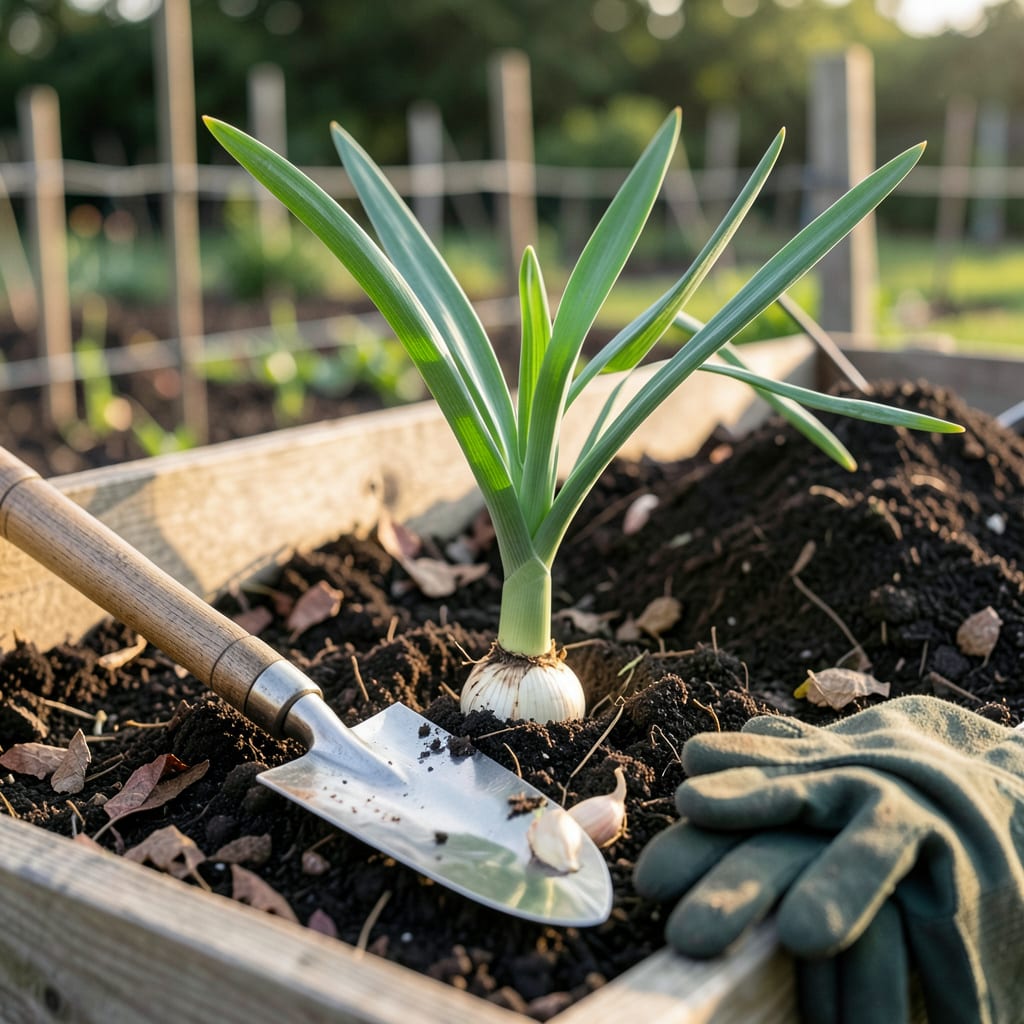
Timing is everything when growing bigger, bolder 🧄 garlic in California. Plant too early, and your bulbs might split in warm soil; too late, and they’ll struggle to size up before summer’s heat.
After years of testing in Zone 10a, I’ve nailed the sweet spot—October through November—when cool soil triggers explosive root growth. Stick with me, and I’ll show you exactly how to sync with your microclimate for harvests that’ll make neighbors jealous.
California’s five distinct climate zones mean garlic planting isn’t one-size-fits-all. What works in foggy San Francisco won’t fly in Palm Springs’ desert heat. The secret? Matching your USDA zone to the right window—fall for most areas, with rare spring exceptions.
I’ve grown garlic from Zone 7’s chilly foothills to Zone 10’s coastal warmth, and the differences are stark. Coastal gardeners can plant as late as December, while inland folks must finish by mid-November to avoid heat-stressed bulbs. Let’s break it down by region.
| Climate Zone | USDA Zones | Best Months | Variety Picks | Key Tip |
|---|---|---|---|---|
| Coastal | 9-10 | Oct–Dec | Silverskin, Artichoke | Plant late—cool winters extend growth. |
| Inland Valleys | 8-9 | Sep–Nov | California Early, Lorz Italian | Avoid late Nov—heat waves stunt bulbs. |
| Foothills | 7-8 | Oct–early Nov | Purple Stripe, Rocambole | Mulch heavily—frost heave is real! |
| Mountains | 6-7 | Sep–Oct | German White, Chesnok Red | Plant early—snow cover insulates. |
| Desert | 9-10 | Nov–Dec | Creole, Turban | Use shade cloth if planting in spring. |
In coastal areas like San Francisco, I’ve had success planting Silverskin garlic as late as December 15th. The cool, moist winters give cloves extra time to size up. But head inland to Sacramento, and you’ll want to wrap planting by November 1st—summer arrives early and bulbs bake in the ground.
For mountain gardeners (Zones 6-7), September planting is non-negotiable. I learned this the hard way when my October-planted Rocambole got frozen solid in a surprise November frost. Now I use 6 inches of straw mulch—it’s a game-changer for insulation.
Desert dwellers, listen up: November–December is your window, but spring planting (Feb–March) can work if you shade cloth those beds. I’ve grown Creole garlic in Palm Springs by mimicking winter chill with ice packs buried near cloves—yes, really! It’s unconventional but effective.
Soil temperature is your secret weapon. Aim for 60°F at 2-inch depth—too warm, and cloves sprout too fast; too cold, and roots stall. A $10 soil thermometer saved my harvest last year when I realized my “cool” coastal soil was actually 70°F in October. I waited two weeks, and the bulbs doubled in size.
If you’re in Zone 10 (hello, San Diego!), you can bend the rules. I’ve successfully planted Artichoke garlic in January for a June harvest, but yields were 30% smaller than fall-planted bulbs. Stick to October–December for maximum size, and use drip irrigation to avoid rot in winter rains.
Pro tip: Hardneck varieties (like Rocambole) need 40–60 days below 40°F to form bulbs. In Zone 9, where winters are mild, stick to softnecks (Silverskin, Artichoke) unless you’re willing to pre-chill cloves in the fridge for 6 weeks. I’ve done both—pre-chilled hardnecks taste amazing but require more effort.
Still unsure? Grab a thermometer and check your soil. If it’s consistently below 65°F at 2-inch depth, it’s go time. And remember: bigger cloves at planting = bigger bulbs at harvest. I break my seed garlic into individual cloves 24 hours before planting—it reduces shock and boosts sprouting rates.
🌱Even veteran gardeners mess up garlic in California’s tricky climates. The biggest blunder? Planting too late in warm zones like Southern California, where bulbs bake before maturing. I’ve seen stunted cloves from December plantings—trust me, timing is non-negotiable here.
Another silent killer? Ignoring soil prep, especially in clay-heavy areas like the Sacramento Valley. Garlic hates soggy roots, and compacted soil leads to rot faster than you’d think. A quick compost mix (30% organic matter) can save your crop before you even plant.
Fix: Use a soil thermometer (plant at 60°F) and mulch heavily in winter.
Here’s a hardneck vs. softneck reality check: Planting Purple Stripe in Zone 9b without enough chill hours? You’ll get scapes but no bulbs. Stick to Silverskin or Artichoke varieties south of Bakersfield—they thrive with less cold.
Watch for yellowing leaves in spring—it’s not always harvest time. If it’s pre-March, you’re likely dealing with nitrogen deficiency or overwatering. A fish emulsion spray (1 tbsp/gallon) revives plants fast, but cut water to 1x/week until soil dries.
Desert gardeners, listen up: Garlic despises heat over 85°F during bulb formation. If you’re in Palm Springs, plant by mid-October and use 50% shade cloth by May. I’ve rescued bulbs with straw mulch (4″ thick)—it drops soil temps by 10°F.
Finally, don’t harvest too early! Wait until 50% of leaves brown—usually June in NorCal, May in SoCal. Use a garden fork to lift (never pull!) and cure in shade with airflow for 2 weeks. Proper curing means 6-month storage instead of 6 weeks.
Pro tip: Label your largest cloves at planting. Come harvest, you’ll spot a pattern—bigger starts = bigger bulbs. Next season, replant those winners for a self-improving crop! 🌱
California’s diverse soils—from alkaline desert dirt to clay-heavy valley loam—demand tailored prep for garlic. I’ve learned the hard way that skipping this step leads to stunted bulbs or rotten cloves. The fix? A 30-day pre-planting routine that transforms even the toughest ground.
Start with a soil test—garlic thrives in pH 6.0–7.0. In my Sacramento garden, the native clay tested at pH 7.8. A sulfur amendment (1 lb/100 sq ft) and composted manure (3 inches) brought it into the sweet spot. For desert soils, mix in coconut coir to improve water retention.
Pro tip: Soak cloves in kelp solution (1 tsp/gallon) 1 hour before planting for faster roots.
In coastal areas, drainage is king. I lost an entire crop in Half Moon Bay to winter rot until I switched to raised beds (12″ high) with a gravel base. For inland gardens, drip irrigation (1″ per week) prevents waterlogging while keeping soil consistently moist.
Don’t overlook clove selection—bigger cloves (1″ diameter) yield jumbo bulbs. I sort my seed garlic by size, planting the largest cloves in the sunniest spots. Spacing matters too: 6″ apart in rows 12″ apart gives roots room to expand without competition.
Finally, timing your amendments is critical. I add phosphorus-rich fertilizer (5-10-10) at planting, then side-dress with nitrogen (blood meal) when shoots hit 6″ tall. Avoid high-nitrogen feeds late in the season—they’ll give you lush greens but tiny bulbs. 🌿
Late planting (after November in most zones) leads to smaller bulbs because cloves don’t have enough time to establish roots before summer heat. In warm areas like Southern California, December-planted garlic often produces stunted cloves or fails to form bulbs at all.
Yes, but timing is critical. Plant in November–December for a spring harvest, or try February–March with 50% shade cloth to protect from extreme heat. Varieties like Creole or Turban handle desert conditions best. Use drip irrigation to prevent water stress.
Harvest when 50–60% of leaves turn yellow and the lower leaves are brown and dry. In Northern California, this is typically June; in Southern California, it’s often May. Gently dig a test bulb to check for papery skins and well-formed cloves.
Splitting usually happens when garlic experiences temperature swings or inconsistent watering. In coastal areas, too much winter rain can cause this—improve drainage with raised beds. Inland, mulch heavily to stabilize soil temperature.
For Zone 9–10 (most of coastal and southern California), softneck varieties like Silverskin or Artichoke thrive because they require fewer chill hours. These types also store longer, making them ideal for year-round use.
