
Beautiful Plants For Your Interior
Beautiful Plants For Your Interior
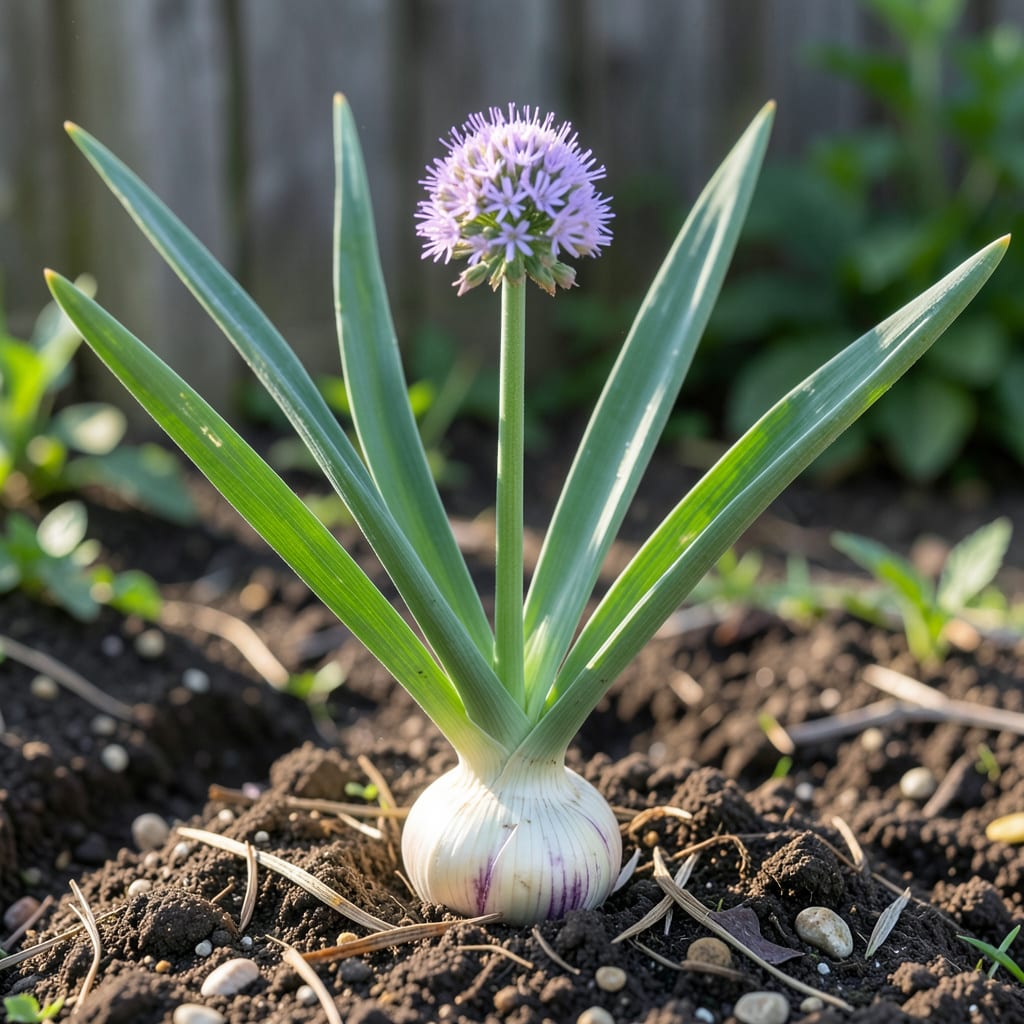
If you’ve ever pulled up sad, undersized garlic bulbs in summer, the problem likely started months earlier. In Arkansas, nailing that fall planting window is what separates bumper crops from disappointing harvests.
I’ve tested different timing strategies across zones 7b-8a, and the difference is stunning. Let me show you exactly when to get 🧄 in the ground—so you’re harvesting plump, flavorful bulbs next May or June, not scrawny cloves.
If you want to grow big, flavorful garlic bulbs in Arkansas, timing your planting is absolutely critical. The ideal window is from late September to mid-November, giving cloves enough time to establish roots before winter. Plant too early, and you risk sprouting before frost; too late, and roots won’t develop properly.
Arkansas’s USDA zones 7b-8a mean our first frost typically hits around November 1. I always aim to get garlic in the ground 4-6 weeks before that date—usually by mid-October for most regions. This ensures roots grow strong but tops stay dormant until spring.
In Northern Arkansas (Zone 6b-7a), I’d suggest planting by early October since frost arrives sooner. Down in Southern Arkansas (Zone 8a), you can push planting to early November if needed. The key is getting cloves in before soil temps drop below 50°F.
I’ve found that hardneck varieties like ‘German White’ or ‘Music’ perform exceptionally well in Arkansas. They need that cold period to develop proper bulbs. Softneck types like ‘Silverskin’ also work but may produce smaller cloves without adequate chilling.
Don’t forget to prepare your soil first—garlic thrives in well-draining, loose soil with plenty of organic matter. I mix in 2-3 inches of compost and ensure the pH is between 6.0-7.0. Heavy clay soil? Add sand or perlite to improve drainage.
After planting, apply a 4-6 inch layer of mulch (straw works great) to insulate cloves. This prevents winter heaving and keeps soil temps steady. Come spring, you’ll see green shoots emerging—that’s when I start light watering if we’re in a dry spell.
One mistake I see often is planting grocery store garlic. Those cloves are often treated to prevent sprouting. Instead, order seed garlic from reputable suppliers—it’s disease-free and adapted for growing. I’ve had great success with Southern Exposure Seed Exchange and Filaree Farm.
Remember, garlic is a long-season crop—you’ll harvest in late May or June when lower leaves turn brown. That’s 8-9 months from planting! The wait is worth it when you pull up those plump, aromatic bulbs ready for curing.
If you’re new to growing garlic in Arkansas, start small with 20-30 cloves of a reliable variety. Track your planting date and weather conditions in a journal. Over time, you’ll dial in the perfect timing for your specific microclimate—whether you’re in the Ozarks or the Delta region.
And here’s my final tip: Mark your calendar for October 15th as your target planting date. That gives you a buffer if weather delays your garden work. With proper timing and care, you’ll be rewarded with garlic that’s far superior to anything you can buy at the store! 🪴
Now that you know when to plant garlic in Arkansas, let’s talk about how to do it right. Proper soil prep and planting technique make all the difference between a mediocre harvest and those gorgeous, plump bulbs you dream about. Here’s my foolproof method.
Start by selecting a sunny spot with at least 6-8 hours of direct light. Garlic won’t tolerate shade well, especially in our humid Arkansas climate. I like to plant in raised beds if my soil is heavy clay—it improves drainage and warms up faster in spring.
One critical mistake I see is planting cloves upside down. Always ensure the pointy end faces up—that’s where the green shoot will emerge. If you plant them backward, you’ll get weak, stunted growth or no sprouts at all. I like to soak cloves in water for 2 hours before planting to jumpstart root growth.
For Arkansas’s clay-heavy soils, I recommend adding 1-2 inches of sand or perlite to your planting area. This prevents waterlogging, which can rot cloves over winter. If you’re in the Delta region with particularly dense soil, consider planting in mounded rows to improve drainage.
After planting, resist the urge to water heavily. You want moist but not soggy soil. Too much water now can cause cloves to rot before roots establish. I check soil moisture by sticking my finger 2 inches deep—if it feels dry, I water; if damp, I wait. Come spring, you’ll want to keep soil evenly moist as bulbs form.
Don’t forget to label your rows if planting multiple varieties! I use popsicle sticks with permanent marker—simple but effective. And if you’re planting in multiple successions (say, early October and late October), note those dates too. This helps track which planting performs best in your microclimate.
Finally, mark your calendar for spring care: when shoots emerge in February or March, I side-dress with compost and start weekly watering. Avoid high-nitrogen fertilizers—they’ll give you lush tops but small bulbs. Instead, use a balanced 10-10-10 or organic bulb booster. 🪴
Not all garlic performs equally in Arkansas’s humid, variable climate. Choosing the right variety can mean the difference between measly cloves and those giant, flavor-packed bulbs you’ll brag about. Let’s break down which types excel in our zones 7b-8a conditions.
Arkansas gardeners have two main options: hardneck and softneck garlic. Hardnecks like ‘German White’ and ‘Music’ thrive here because they require winter chill to form proper bulbs. Softnecks like ‘Silverskin’ tolerate our heat better but may produce smaller cloves without adequate cold.
For Northern Arkansas gardeners, I recommend starting with ‘German White’ or ‘Music’ hardnecks. These varieties handle our cold snaps beautifully and develop robust flavors. In Southern Arkansas, where winters are milder, ‘Silverskin’ or ‘Artichoke’ softnecks often perform better.
If you’re dealing with heavy clay soil (common in the Delta), consider ‘Russian Giant’ elephant garlic. Its massive cloves push through dense soil more easily, and it’s surprisingly heat-tolerant for our summers. Just note that elephant garlic is technically a leek relative—milder flavor but impressive size!
For organic growers, ‘Chesnok Red’ is a fantastic hardneck choice. It resists common Arkansas pests like thrips and produces beautiful purple-streaked bulbs. If you love roasting, this variety caramelizes beautifully. For braiding, ‘Inchelium Red’ softneck holds its shape well and stores up to a year.
Remember: Source matters. Always buy from reputable seed garlic suppliers like Southern Exposure Seed Exchange or Filaree Farm. Grocery store garlic is often treated with growth inhibitors. I made this mistake my first year—what a disappointing harvest! 🪴
Planting before late September risks premature sprouting, which makes cloves vulnerable to frost damage. The ideal window (October-November) ensures roots establish without tops emerging before winter. Early planting can also lead to smaller bulbs next summer.
I don’t recommend it. Store-bought garlic is often treated to prevent sprouting and may carry diseases. Seed garlic from suppliers like Southern Exposure is adapted for growing and disease-free. I learned this the hard way—my first harvest was disappointing!
In Northern AR (Zones 6b-7a), plant by early October since frost arrives sooner. Southern AR (Zone 8a) can push to early November. The key is getting cloves in 4-6 weeks before your first frost date.
A 4-6 inch layer of straw or shredded leaves works perfectly. It insulates cloves, prevents winter heaving, and retains moisture. Avoid heavy mulches like wood chips that can smother emerging shoots in spring.
Plant cloves 2 inches deep, pointy end up, spaced 6 inches apart. In clay-heavy areas (like the Delta), consider mounded rows to improve drainage. Deeper planting helps cloves survive temperature swings.
