
Beautiful Plants For Your Interior
Beautiful Plants For Your Interior
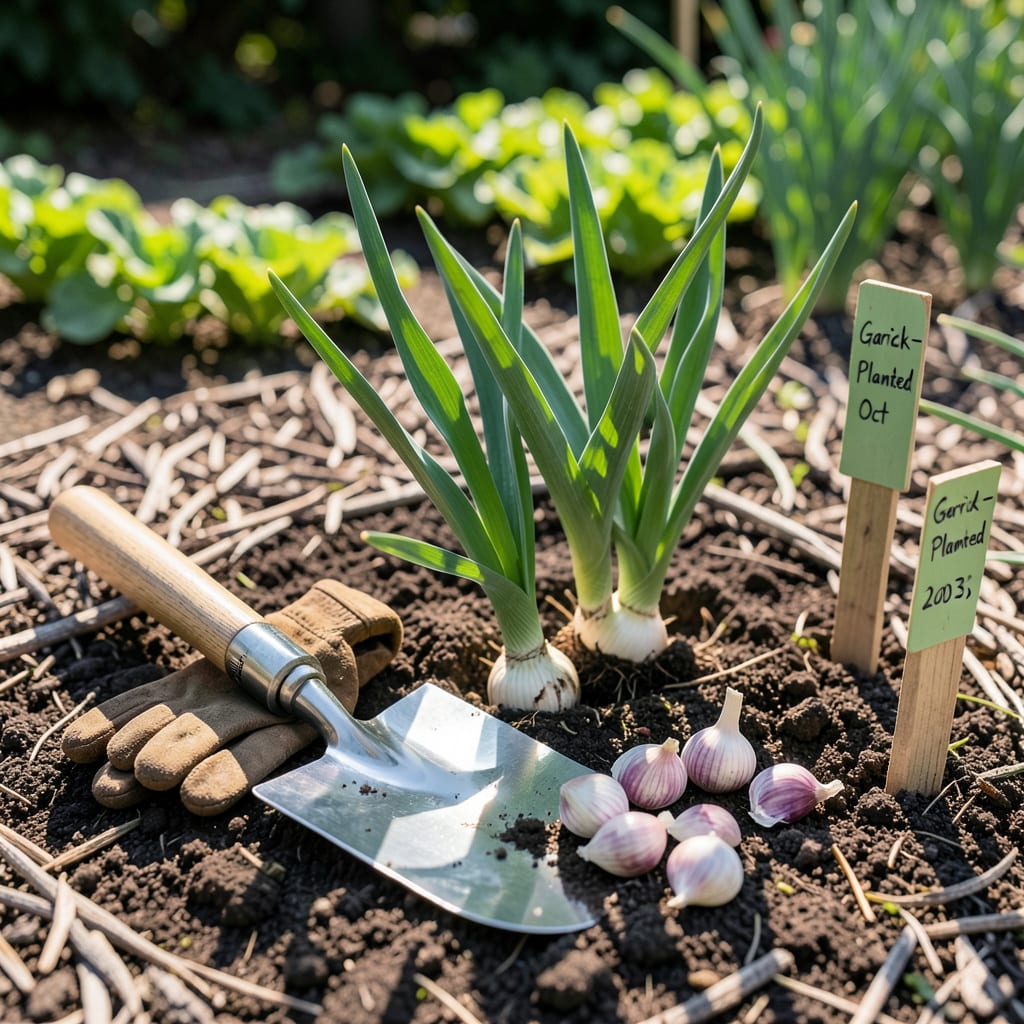
If you’ve ever pulled up sad, undersized garlic bulbs in Arizona, timing was likely the culprit. Our desert climate doesn’t follow the same rules as cooler regions—plant too late, and your 🧄 won’t establish roots before winter; plant too early, and heat stunts growth before it even begins.
After years of testing (and a few failed harvests), I’ve nailed the perfect fall window for Arizona’s zones. Whether you’re in Phoenix’s low desert or Flagstaff’s high country, I’ll show you exactly when to get those cloves in the ground for plump, flavorful bulbs next spring.
If you’ve ever tried growing garlic in Arizona, you know our extreme climate demands precise timing. The key is working with Arizona’s three distinct zones: scorching low deserts like Phoenix, mild mid-elevations like Prescott, and frosty high deserts like Flagstaff. Each has its own ideal planting window.
In the low desert, where summers sizzle and winters are gentle, garlic thrives when planted in October through November. Higher elevations need earlier planting—sometimes as soon as late September—to beat the first frost. Let’s break it down by zone so you can plan like a pro.
| Growing Zone | Cities | USDA Zone | Planting Window | Frost Considerations |
|---|---|---|---|---|
| Low Desert | Phoenix, Tucson, Yuma | 9a–10b | October–November | Minimal frost risk; mulch lightly |
| Mid-Elevation | Prescott, Payson, Sedona | 7a–8b | Late September–October | Watch for early frosts; mulch heavily |
| High Desert | Flagstaff, Show Low | 4b–7a | September–Early October | Hard frosts likely; plant 6+ weeks before first frost |
For low-desert gardeners, the sweet spot is mid-October to early November. Soil temps should dip below 85°F—garlic cloves refuse to sprout in warm earth. I use a soil thermometer to check depths of 2–3 inches. If your soil’s still baking, wait a week or two.
Mid-elevation areas like Prescott or Sedona get colder faster. Aim to plant by mid-October so roots establish before the first freeze. A thick mulch layer (3–4 inches of straw) protects cloves from temperature swings. I’ve seen unmulched garlic heave right out of the ground after a freeze!
Up in Flagstaff or Show Low, garlic goes in earlier—September to early October. The goal? Give cloves 6 weeks of growth before the ground freezes. Use row covers if hard frosts hit early. Pro tip: Hardneck varieties like ‘German White’ handle cold better than softnecks here.
No matter your zone, soil prep is non-negotiable. Arizona’s native soil is often compacted and alkaline. I amend my beds with 2–3 inches of compost and a handful of sulfur (to lower pH slightly) before planting. Garlic craves loose, well-draining soil—standing water spells rot.
Watering’s another critical factor. After planting, give cloves a deep soak (1–2 inches), then back off. Overwatering in winter invites fungal diseases. In low deserts, I water every 10–14 days until spring growth kicks in. Higher elevations may need less frequent watering—let the soil dry slightly between drinks.
Watch for premature sprouting in warm winters, especially in Phoenix. If garlic sends up green shoots by December, don’t panic—but do add more mulch to insulate the soil. Come spring, those early sprouts will need consistent moisture to size up bulbs.
Finally, mark your calendar for harvest time: typically April to May in most zones. Low-desert garlic may finish earlier (late March), while high-desert crops might linger until early June. Harvest when lower leaves brown but upper leaves stay green—that’s the sweet spot for maximum bulb size.
By tailoring your planting time to Arizona’s microclimates and prepping soil properly, you’ll be pulling up plump, flavorful bulbs that’ll make your garden the envy of the neighborhood. Next up, let’s tackle the biggest mistakes I see Arizona gardeners make—and how to avoid them.☀️
Even with perfect timing, Arizona gardeners can still sabotage their garlic crop with a few common blunders. I’ve made (and fixed) all three of these mistakes—so you don’t have to. The biggest offender? Planting in warm soil. Garlic cloves need cool soil temps below 85°F to sprout properly.
If you shove cloves into 90°F+ earth, they’ll either rot or sit dormant until temps drop. I once planted in early September during a heatwave—zero sprouts. Lesson learned: Wait for October in low deserts, or use shade cloth to cool the soil if you’re eager to start.
⚠️ Garlic-Killing Mistakes in Arizona
Another silent garlic killer is overwatering during dormancy. From December to February, garlic needs very little water. I’ve seen gardeners drown their crops by sticking to a summer watering schedule. The fix? Let the top 1–2 inches of soil dry between waterings.
In monsoon season, this gets tricky. If your garlic bed turns into a swamp after heavy rains, improve drainage by planting in raised beds or mounding soil into rows. I lost an entire crop to basal rot one year—now I plant on 6-inch-high ridges to keep cloves dry.
Mulch neglect is the third big mistake. Arizona’s temperature swings (90°F days, 40°F nights) confuse garlic cloves. Without mulch, they’ll heave out of the soil during freeze-thaw cycles. My go-to? A 4-inch layer of straw applied right after planting. It also suppresses weeds that compete for nutrients.
Bonus tip: Avoid supermarket garlic for planting. Those cloves are often treated to prevent sprouting. Instead, order from a reputable seed garlic supplier. I swear by ‘Silverskin’ (softneck) for low deserts and ‘German White’ (hardneck) for higher elevations—they’re bred for our climate.
By dodging these three pitfalls, you’ll set your garlic up for bigger bulbs and stronger flavors. Next, let’s dive into the best varieties for Arizona’s heat—and which ones to avoid like the plague.🌱
Not all garlic thrives in Arizona’s intense heat and dramatic temperature swings. After testing a dozen varieties, I’ve found the top performers for our unique climate. The secret? Matching the right type to your zone. Softneck varieties dominate in low deserts, while hardnecks shine in higher elevations.
In Phoenix or Tucson, I swear by ‘Silverskin’ and ‘Artichoke’ softnecks. They handle heat stress like champs and store for months. Up in Flagstaff, ‘German White’ or ‘Spanish Roja’ hardnecks laugh at frost. Let’s compare the best options so you can pick a winner for your garden.
For low-desert gardeners, ‘Silverskin’ is my #1 pick. It laughs at 100°F+ temps and stores up to 12 months. I’ve pulled 2-inch bulbs from my Phoenix garden with minimal fuss. If you want bigger cloves, try ‘Artichoke’—just give it extra compost at planting.
Up in higher elevations, hardneck varieties rule. ‘German White’ is my Flagstaff favorite—it survives sub-freezing temps and delivers complex, spicy flavor. The trade-off? Hardnecks don’t store as long, so plan to use them within 4–6 months of harvest.
No matter which variety you choose, source matters. Always buy from reputable seed garlic suppliers—never grocery stores. Those cloves are often treated with sprout inhibitors. I order mine from Filaree Farm or Territorial Seed for guaranteed Arizona-friendly stock.
Pro tip: Plant extra cloves of your favorite variety. Arizona’s climate can be unpredictable, and having backups ensures you’ll still harvest plump bulbs even if some cloves struggle. Next season, save your best-performing bulbs to replant—they’ll adapt even better to your microclimate!🌿
Yes, it’s usually too warm. Phoenix soil often stays above 85°F in September, which can cause cloves to rot or fail to sprout. Wait until mid-October when temperatures cool down for best results.
Aim for early November at the latest. Planting after mid-November risks poor root development before winter dormancy. If you miss the window, try container planting with shade cloth to extend the season.
Give cloves a deep soak (1–2 inches) right after planting, then cut back. In low deserts, water every 10–14 days until spring growth starts. Overwatering in winter can lead to fungal issues.
No, summer planting isn’t recommended. Garlic needs cool soil to establish roots and form bulbs. Extreme heat causes cloves to bolt or produce small, poor-quality bulbs. Stick to fall planting for success.
Apply a 3–4 inch layer of straw mulch after planting to insulate cloves. In high deserts, use row covers during hard frosts. Mulch also prevents soil heaving and conserves moisture.
