
Beautiful Plants For Your Interior
Beautiful Plants For Your Interior
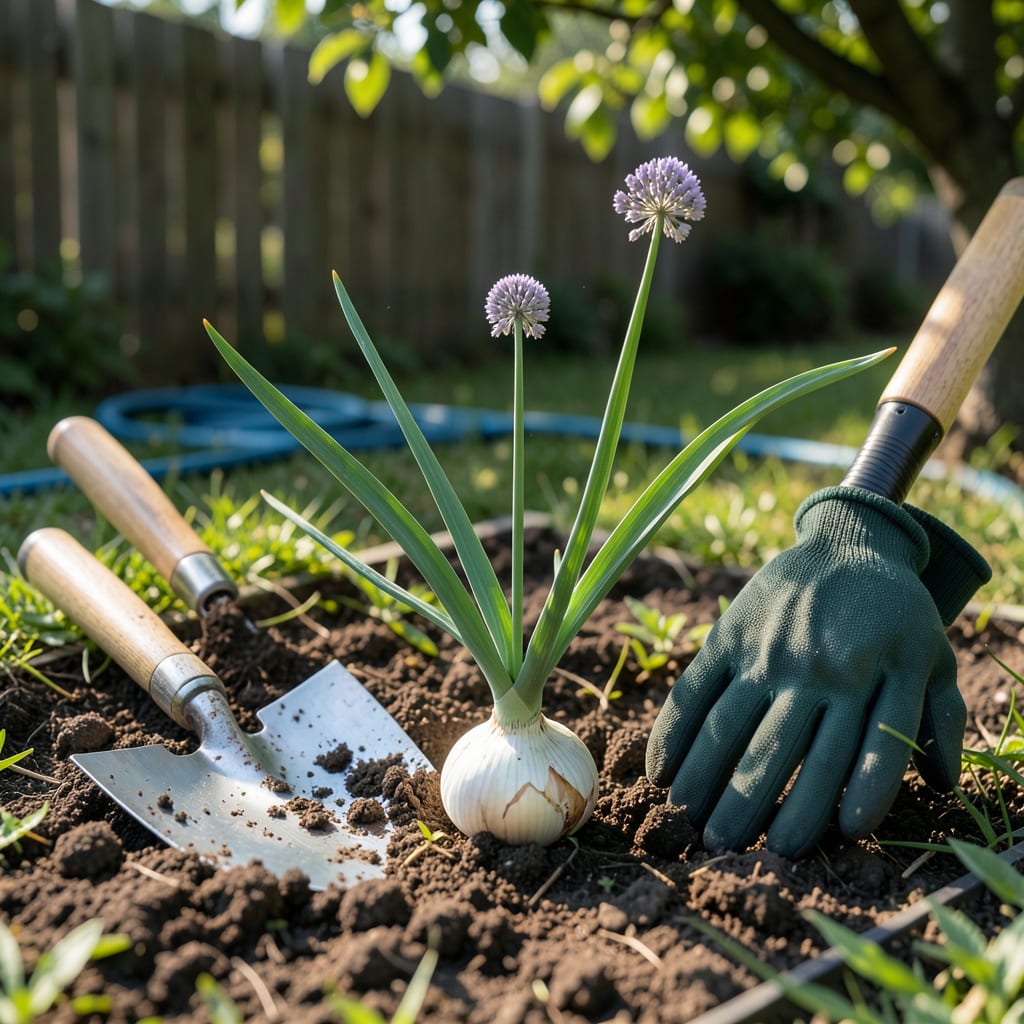
Timing is everything when it comes to growing bigger, bolder garlic in Alabama. Plant too early or too late, and you might end up with small bulbs—or worse, none at all. I’ve seen gardeners struggle with this, but the good news? There’s a perfect fall window that nearly guarantees success.
After years of testing and talking to local experts, I’ve nailed down the ideal planting schedule for Alabama’s climate. Whether you’re in the foothills or the coastal plains, I’ll show you exactly when to get those cloves in the ground—and why late September through November is your golden opportunity.
If you want plump, flavorful garlic bulbs next summer, timing your fall planting is everything. In Alabama, our mild winters and hot summers create a unique window—plant too early, and cloves may sprout prematurely; plant too late, and roots won’t establish before winter.
I’ve broken down the ideal planting dates by region—North, Central, and South Alabama—so you can sync with your local frost dates. The goal? Get cloves in the ground 4-6 weeks before the first frost, when soil temps hover around 50°F. Here’s your roadmap:
| Region | USDA Zone | Planting Window | First Frost Date | Notes |
|---|---|---|---|---|
| North Alabama | 7a-7b | Oct 1–Nov 1 | Nov 15 | Aim for early October in higher elevations. |
| Central Alabama | 8a | Oct 15–Nov 15 | Nov 30 | Mid-October is safest for Birmingham area. |
| South Alabama | 8b-9a | Nov 1–Dec 1 | Dec 15 | Coastal areas can plant late November. |
Pro Tip: Soil temps should be below 60°F but above 40°F for best root growth. Use a soil thermometer to check!
In North Alabama (zones 7a-7b), I recommend planting by November 1 to avoid winter heaving. The Central region (zone 8a) has more flexibility—mid-October to mid-November works well, but don’t push it past Thanksgiving.
Down in South Alabama (zones 8b-9a), you’ve got until early December thanks to warmer soils. But watch out: if you plant too late, cloves may not develop strong root systems before dormancy. I’ve seen gardeners in Mobile plant as late as December 15 with success, but it’s risky.
Why does this timing matter? Garlic needs 6-8 weeks of cool soil (40-50°F) to form healthy bulbs. Plant too early in September, and warm temps can trigger premature sprouting—leading to weak plants. Plant too late, and roots won’t anchor before winter.
For hardneck varieties (like ‘German White’), stick to the earlier end of the window—they need more chill time. Softneck types (like ‘Silverskin’) are more forgiving and can go in later. Always mulch heavily (4-6 inches of straw) to protect against temperature swings.
I like to use the Alabama Cooperative Extension’s frost dates as my guide. Their data shows that soil temps drop steadily after October 15, making it the sweet spot for most of the state. If you’re unsure, grab a $10 soil thermometer—it’s my secret weapon for perfect timing.
Still wondering if you can plant in spring? Technically yes, but you’ll get smaller bulbs and higher risk of disease. Spring-planted garlic often bolts (sends up a flower stalk) in our hot summers, diverting energy from bulb formation. Stick to fall for the best results.
Once your garlic is in the ground, mark your calendar for June–July harvest. That’s when the lower leaves turn brown and the stalks dry out—your signal that it’s time to dig. Trust me, nailing this fall window will give you garlic so good, you’ll never buy store-bought again! 🌱
Now that you know when to plant garlic in Alabama, let’s dig into the how-to. Success starts with the right prep—from soil conditions to clove selection. I’ve planted garlic across the state, and these steps ensure big, healthy bulbs every time.
First, focus on your soil. Garlic thrives in loose, well-draining soil with a pH of 6.0–7.0. I always amend my beds with 2–3 inches of compost and a handful of balanced fertilizer (like 10-10-10) before planting. Avoid heavy clay—it can cause rotten cloves.
Pro Tip: Soak cloves in 1 tbsp baking soda + 1 gallon water for 30 minutes before planting to prevent fungal issues.
In Alabama’s humid climate, mulching is non-negotiable. I use straw or shredded leaves to keep soil temps steady and suppress weeds. Without mulch, winter freezes can heave cloves out of the ground, and spring weeds will choke your plants.
For planting depth, I’ve found 2 inches is ideal—deep enough to protect cloves but shallow enough for easy sprouting. If you plant too shallow, cloves may dry out; too deep, and they’ll struggle to emerge. Use a ruler or planting guide to check depth.
After planting, water deeply once to settle the soil, then switch to weekly watering (about 1 inch per week). Overwatering is a common mistake—garlic hates soggy feet. If we get heavy rains, hold off on watering until the top 2 inches of soil dry out.
Come spring, you’ll see green shoots emerge. That’s when I switch to a high-nitrogen fertilizer (like blood meal) to fuel leaf growth. But stop fertilizing by May 1—late nitrogen encourages leafy tops over bulb development.
Finally, mark your calendar for harvest in June–July. When 50% of leaves turn brown, it’s time to dig. Use a garden fork to loosen soil, then cure bulbs in a shady, dry spot for 2–3 weeks. Proper curing ensures long-term storage—up to 6–9 months for softnecks! 🌿
Even experienced gardeners can mess up garlic planting in Alabama. I’ve seen it all—tiny bulbs, rotten cloves, and no sprouts at all. The good news? Most issues come from just a few avoidable mistakes. Let’s tackle the biggest blunders so you can grow plump, healthy garlic every time.
The #1 mistake I see is planting grocery store garlic. Those bulbs are often treated with sprout inhibitors and may carry diseases. Always use certified seed garlic from a reputable supplier. It’s worth the extra cost for disease-free cloves that actually grow!
Fix It: Plant only seed garlic, time it for October–November, and mulch with 4–6 inches of straw.
Another critical error is planting at the wrong time. I’ve had gardeners swear by spring planting, but in Alabama, that’s a gamble. Spring-planted garlic often bolts (sends up a flower stalk) in our hot summers, which diverts energy from bulb formation. Stick to fall planting for the best results.
Overwatering is a silent killer for garlic. Our humid climate means soil stays moist longer, so I recommend checking soil with your finger. If the top 2 inches are dry, it’s time to water. Otherwise, hold off. Soggy soil leads to rot and stunted growth.
Don’t overlook soil prep either. Garlic hates compacted or clay-heavy soil. Before planting, loosen the soil to 12 inches deep and mix in compost or aged manure. If your soil is heavy, add sand or perlite to improve drainage. A quick soil test can save you headaches later.
Finally, neglecting to fertilize (or overdoing it) can ruin your harvest. Garlic needs phosphorus and potassium for bulb development. I use a balanced fertilizer (like 10-10-10) at planting, then switch to a high-nitrogen option in early spring. But stop fertilizing by May 1—late nitrogen encourages leafy tops instead of big bulbs. 🌱
You can, but it’s not ideal for Alabama’s climate. Spring-planted garlic often bolts (sends up flower stalks) in our hot summers, resulting in smaller bulbs. Fall planting gives roots time to establish before winter, leading to bigger, healthier harvests.
Hardneck varieties (like ‘German White’) have a woody stem and fewer, larger cloves—great for flavor but shorter storage. Softnecks (like ‘Silverskin’) lack the stem, produce more cloves, and store 6–9 months. In Alabama, both thrive, but hardnecks need earlier planting.
Plant cloves 2 inches deep, pointy-end up, with 4–6 inches between cloves. Too shallow risks drying out; too deep delays sprouting. In Alabama’s clay-heavy soils, add sand or compost to improve drainage.
This usually happens from over-fertilizing with nitrogen (promotes leaves, not bulbs) or planting too late. Stop fertilizing by May 1 and ensure fall planting for proper bulb development. Also check soil—compacted or soggy conditions stunt growth.
Water lightly every 2–3 weeks if winter is dry, but avoid soggy soil. Alabama’s mild winters mean garlic roots stay active—mulch heavily (4–6 inches of straw) to retain moisture and protect against temperature swings. Reduce watering if rainfall exceeds 1 inch weekly.
