
Beautiful Plants For Your Interior
Beautiful Plants For Your Interior
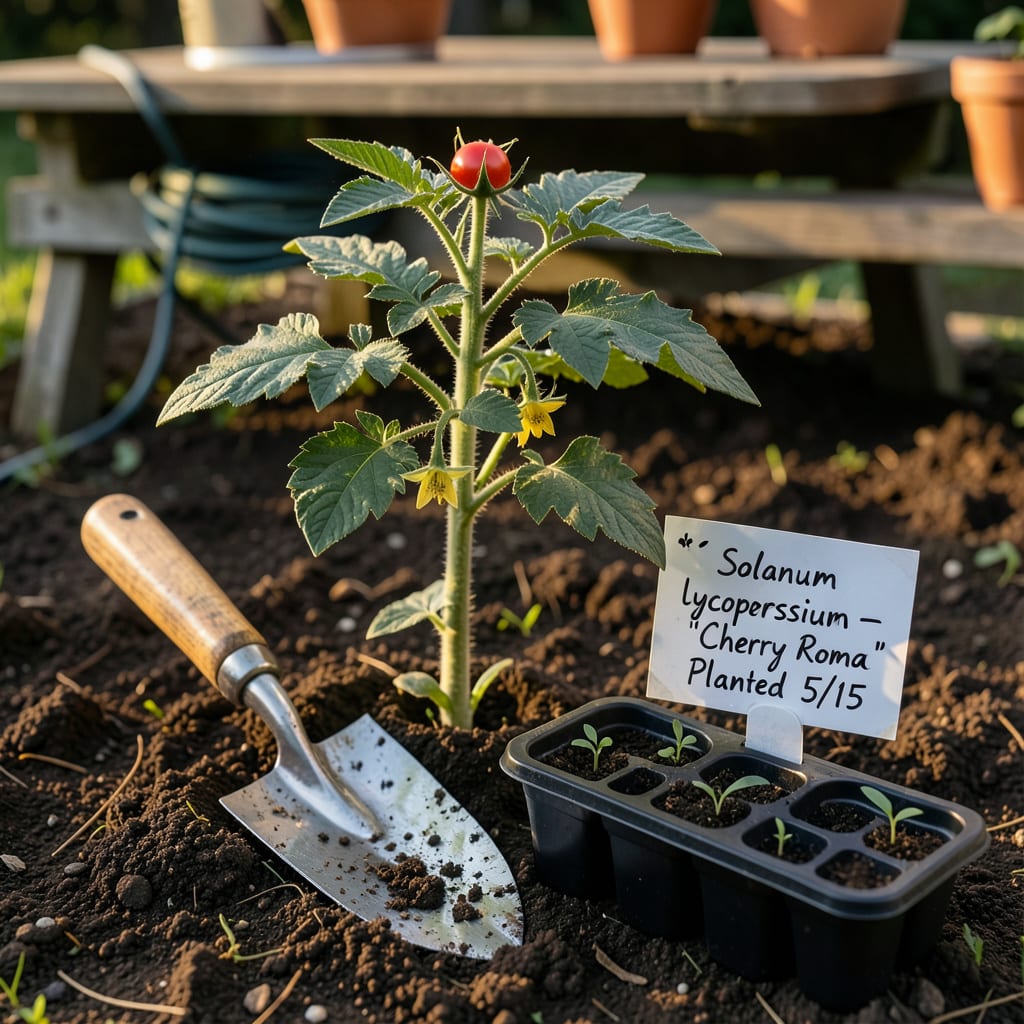
Timing can make or break your Ohio garden—plant too early, and a late frost could wipe out your 🌱 Gardens overnight. Wait too long, and you’ll miss the prime growing window for Zone 6’s 165 frost-free days.
I’ve seen gardeners struggle with Ohio’s unpredictable springs, but the right calendar turns frustration into abundance. Let’s cut through the guesswork so you can plant with confidence—whether you’re in Cleveland, Columbus, or Cincinnati.
Ohio’s USDA Zones 5-6 give us a solid 165 frost-free days—but only if you time your planting right. I’ve found that cool-season crops like lettuce and peas thrive when sown 4-6 weeks before the last frost, while warm-season stars like tomatoes need soil temps above 60°F.☀️
Northern Ohio (Zone 5) runs about 2 weeks behind southern Ohio (Zone 6), so adjust accordingly. My rule of thumb? Watch soil temps, not just calendar dates. A $10 soil thermometer saves more plants than you’d think—50°F+ for cool crops, 60°F+ for warm ones.🌡️
| Crop Type | Planting Window | Soil Temp | Notes |
|---|---|---|---|
| Lettuce | March 15–April 15 | 45°F+ | Direct sow; shade in summer |
| Tomatoes | May 1–May 15 | 60°F+ | Start indoors 6-8 weeks prior |
| Peppers | May 10–May 25 | 65°F+ | Use black plastic mulch to warm soil |
| Green Beans | April 20–May 10 | 55°F+ | Succession plant every 2 weeks |
| Carrots | March 20–April 10 | 40°F+ | Loosen soil 12″ deep |
| Marigolds | May 1–June 1 | 60°F+ | Deters pests; full sun |
For fall crops like kale or spinach, I count backward from Ohio’s first frost (Oct 15). Sow 6-8 weeks before that date, and you’ll get a second harvest before winter. Pro tip: Row covers extend fall growing by 2-3 weeks easily.🌿
Herbs like basil and cilantro hate cold—wait until May 10 to plant outdoors. But chives and parsley? They’ll survive light frosts, so I start them April 1. Always check your local microclimate—urban areas (like Columbus) warm up 1-2 weeks faster than rural spots.🌱
Ohio’s unpredictable springs mean I always have floating row covers ready. If a late frost threatens (yes, even in May!), cover tender plants overnight. Remove covers by 10 AM to prevent overheating. This trick saved my tomato seedlings last year!☀️
Don’t forget succession planting! I sow radishes every 10 days from March to September for continuous harvests. For bush beans, I plant a new batch June 1 and July 1—this keeps my freezer stocked all winter.🪴
Soil prep matters as much as timing. Two weeks before planting, I work in 2-3 inches of compost and test pH (aim for 6.0-7.0). Ohio’s clay-heavy soil? Mix in coarse sand or peat moss to improve drainage. Trust me—your plants will thank you!💧
Lastly, keep a garden journal. I track my planting dates, first sprouts, and harvests every year. Over time, you’ll spot patterns—like how my Cincinnati garden gets warm enough for peppers 10 days earlier than the almanac predicts. Local knowledge beats general guidelines!📋
Even experienced Ohio gardeners can misjudge planting windows, and I’ve seen costly mistakes derail entire seasons. The biggest culprit? Ignoring microclimates—your Cleveland backyard might act like Zone 5, while a Columbus patio hits Zone 6 conditions. Always check your exact location!🌡️
Another classic error: Planting tomatoes too early. I’ve lost count of how many gardeners rush to put transplants in cold soil (below 60°F), only to watch them sulk for weeks. Wait until May 10 in most of Ohio—your patience will pay off with stronger plants and earlier fruit.☀️
⚠️ Avoid These Ohio Planting Pitfalls:
Here’s a mistake I made my first year: Trusting “average” frost dates. Ohio’s weather is anything but average! I planted my pepper seedlings on May 1—only for a late frost to hit May 8. Now I harden off plants gradually and keep frost blankets handy until May 15.🌬️
Many gardeners also miss the fall window. By August 1, big-box stores clear their seed racks—but that’s prime time to sow broccoli, cabbage, and carrots for autumn harvests. I aim to plant fall crops 10-12 weeks before the first frost (Oct 15 in Columbus).🌱
Overwatering new transplants is another silent killer. I see gardeners drown their tomato starts thinking they need daily water. Instead, water deeply 2-3x weekly and let the top inch of soil dry between waterings. This encourages deep root growth, which helps plants weather Ohio’s summer dry spells.💧
Finally, don’t neglect soil prep! I’ve rescued many struggling gardens by amending Ohio’s heavy clay soil with compost and perlite. Test your soil’s pH—most veggies prefer 6.0-7.0. A simple $20 test kit from your extension office reveals exactly what your soil needs before you plant.🪴
My biggest tip? Keep a garden journal. Note your planting dates, first sprouts, and harvests. Over time, you’ll spot patterns like how my Cincinnati raised beds warm up 10 days earlier than the almanac predicts. Local data beats general guidelines every time!📋
Ohio’s 165 frost-free days might seem limiting, but I’ve stretched my harvests by 4-6 weeks using simple tricks. The key? Starting early indoors and protecting late crops from unexpected chills. Even in Zone 6, I’ve picked fresh tomatoes in November!🌱
My go-to method for early starts is indoor seedling trays under grow lights. I begin tomatoes and peppers in mid-March, then harden them off for 10 days before transplanting. A heat mat keeps soil warm, speeding germination by 3-5 days.☀️
For fall extensions, I swear by floating row covers. They protect my kale and spinach from light frosts, buying me extra weeks of growth. I drape them over hoops by late September, securing edges with rocks or sandbags.🌿
Cold frames are my secret weapon for winter greens. I build simple ones from old windows and cinder blocks. By October 1, I plant spinach and arugula inside—they’ll thrive until hard freezes hit, then bounce back in spring!✂️
Don’t overlook microclimates! My south-facing patio stays 5°F warmer than the rest of the yard. I use this spot for peppers and basil in containers, gaining 2 extra weeks of growth. Track sunny spots in your yard—they’re gold for season extension!💧
Check the USDA Plant Hardiness Zone Map by entering your ZIP code. Northern Ohio (Cleveland, Toledo) is typically Zone 5, while southern areas (Cincinnati, Dayton) fall into Zone 6. This 1-2 week difference affects planting windows significantly.
Resist the urge! Even if air temps rise, soil below 60°F stunts tomato growth. I’ve seen plants sit dormant for weeks when planted early. Wait until May 10 for most of Ohio, or use wall-o-water protectors if you’re eager.
Count backward from Ohio’s first frost (Oct 15). Fast growers like radishes (30 days) can go in by Sept 1, while kale (60 days) needs planting by Aug 15. Use row covers to gain extra weeks.
Cities like Columbus warm up 1-2 weeks faster than rural areas due to heat islands. My urban garden’s last frost is often April 10, while my parents’ farm 30 miles away hits frost until April 20. Track your microclimate!
Keep frost blankets or old sheets handy. Drape them over plants by dusk, securing edges with rocks. Remove by 10 AM to prevent overheating. For containers, move them to a garage or porch overnight. This saved my peppers during a May 8 frost last year!
