
Beautiful Plants For Your Interior
Beautiful Plants For Your Interior
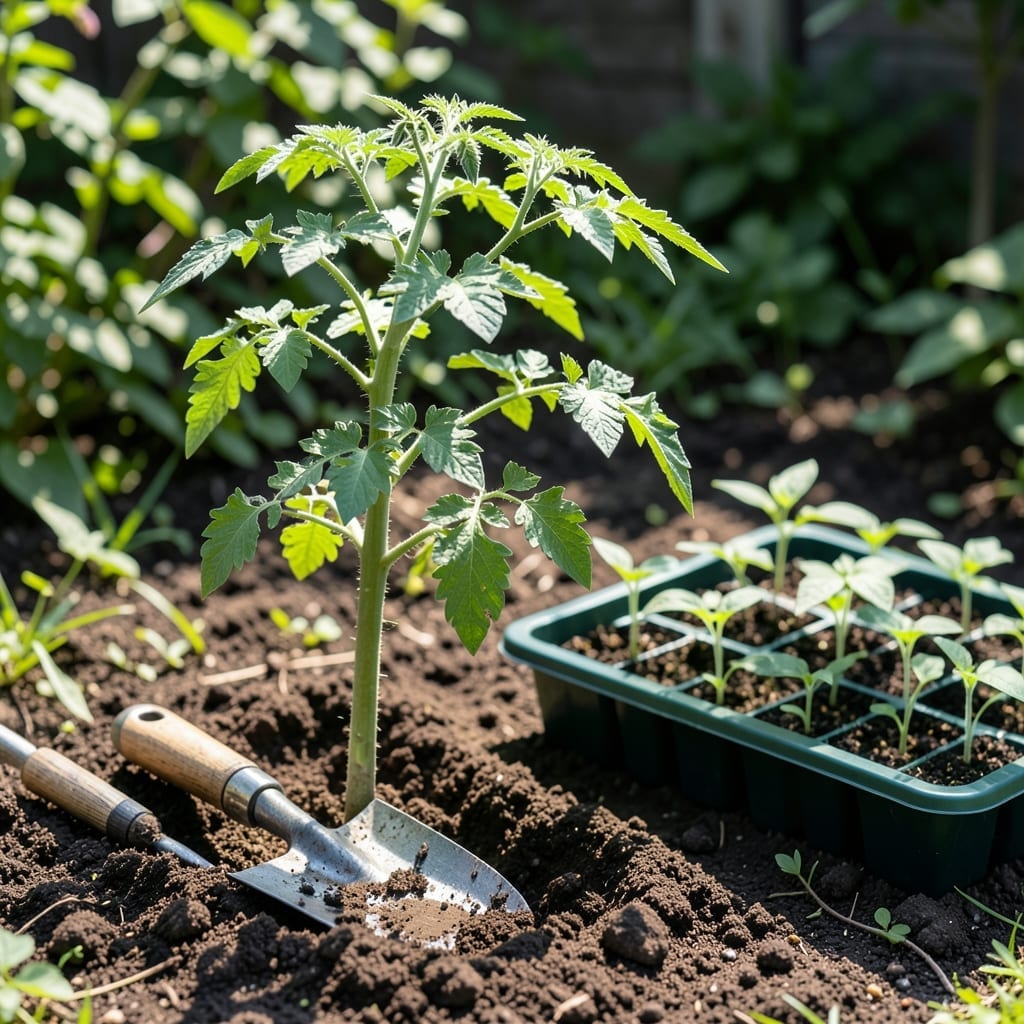
Timing is everything when it comes to planting Garden Plants—plant too early and frost may kill your seedlings, too late and they’ll struggle to mature.
This seasonal guide ensures your 🌱 garden thrives from the first sprout to the final harvest. Whether you’re in Zone 6 or adjusting for your local climate, nailing the timing makes all the difference.
Discover how to align your planting schedule with frost dates and soil conditions for the best results. Let’s get your garden off to the perfect start.
Getting the timing right for garden plants can make or break your harvest. I’ve found that USDA hardiness zones are the best starting point for planning. Each zone has unique frost dates that dictate when it’s safe to plant outdoors.
For example, in Zone 6, the last frost typically hits around April 15, so I wait until then to plant frost-sensitive varieties like tomatoes and peppers. Cool-season crops like lettuce and peas can go in earlier.
| Climate Zone | Plant Type | Best Planting Time | Soil Temp Requirement |
|---|---|---|---|
| Cool (Zones 1-4) | Peas, Spinach | Early spring | 40-50°F |
| Warm (Zones 5-8) | Tomatoes, Beans | After last frost | 60-70°F |
| Tropical (Zones 9-11) | Okra, Sweet Potatoes | Year-round growing | 75-85°F |
Soil temperature is just as critical as air temperature. I always check that my soil is at least 60°F before planting warm-season crops. A simple soil thermometer can save you from costly mistakes.
In warm climates, I take advantage of the long growing season by planting heat-loving crops like peppers and eggplants twice a year—once in spring and again in late summer. This ensures a continuous harvest.
For cool climates, I focus on fast-maturing varieties. Radishes and leaf lettuce are perfect because they can go from seed to harvest in as little as 30 days. This way, even a short season can be productive.
Don’t forget about succession planting. After harvesting early crops like peas, I immediately plant beans or cucumbers in the same spot. This maximizes my garden space and extends the harvest window.
If you’re unsure about your frost dates, I recommend checking with your local extension office. They provide the most accurate data for your specific area, which can vary even within the same zone.
Finally, always refer to the seed packet for specific instructions. It will tell you the ideal soil temperature, planting depth, and spacing for each variety. Following these guidelines ensures the best start for your plants.
With a little planning and attention to detail, you’ll be rewarded with a thriving garden that produces abundantly all season long 🌱
Knowing whether to start seeds indoors or direct sow outdoors can be confusing. I’ve learned that some plants, like tomatoes and peppers, need a head start indoors because they require a longer growing season than many regions can provide.
On the other hand, plants like beans and radishes grow so quickly that they’re best sown directly into the garden soil. This avoids disturbing their delicate root systems during transplanting.
| Start Indoors | Direct Sow | |
|---|---|---|
| Examples | Tomatoes, Peppers, Broccoli | Beans, Radishes, Carrots |
| When to Start | 6-8 weeks before last frost | After last frost |
| Why This Method | Longer growing season needed | Fast growth, sensitive roots |
| Transplanting | Hardening off required | Not applicable |
I always start my tomato seeds indoors about 6-8 weeks before the last expected frost. This gives them plenty of time to develop strong root systems before moving them outside. Just
Hardening off means gradually exposing your plants to outdoor conditions over 7-10 days. I start by placing them outside for 1-2 hours in a shaded spot, then gradually increase their time outside and exposure to sunlight.
For direct sowing, I wait until the soil has warmed to at least 60°F. I plant seeds like beans and cucumbers about 1 inch deep, following the spacing recommendations on the seed packet. This ensures they have enough room to grow without competing for nutrients.
One tip I’ve found helpful is to soak larger seeds like beans and peas overnight before planting. This can speed up germination. Just be sure not to soak them for more than 12-24 hours, as they can start to rot.
Whether you’re starting seeds indoors or direct sowing, the key is to pay attention to your local climate and the specific needs of each plant variety 🌱