
Beautiful Plants For Your Interior
Beautiful Plants For Your Interior
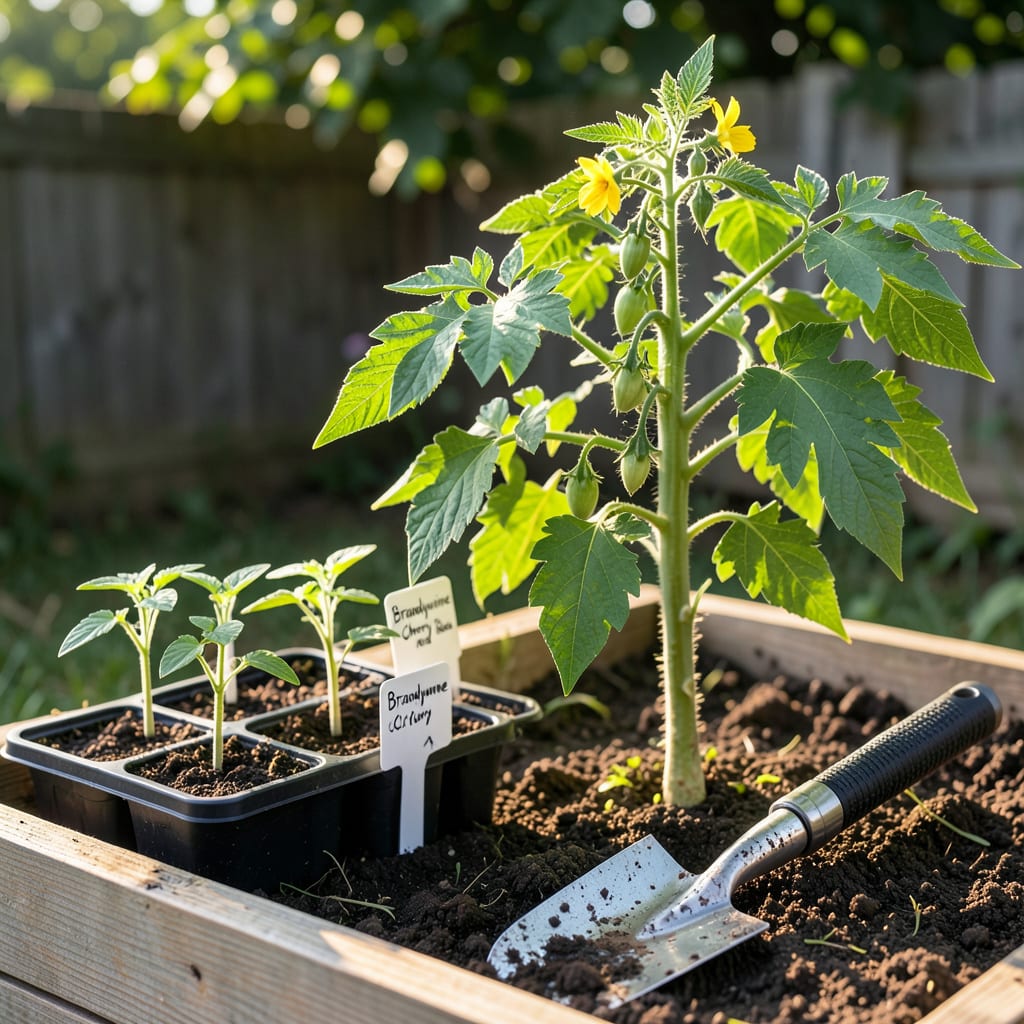
Timing your Ohio garden right can mean the difference between a bountiful harvest and a disappointing season. I’ve seen too many gardeners plant too early—only to lose everything to a late frost or struggle with stunted growth because they missed the ideal window.
Whether you’re planting tomatoes, peppers, or cool-season greens, Ohio’s unpredictable climate demands precision. Let me break down the exact planting schedule tailored to your zone, so you can grow your best garden yet—without the guesswork.
Ohio’s USDA zones 5-6 create a unique planting window that can make or break your garden. I’ve learned the hard way that ignoring last frost dates (typically May 15 in most areas) leads to heartbreak. Let’s dive into the seasonal breakdown so you can plant with confidence.
The key to success? Understanding cool-season vs. warm-season crops. Cool-season plants like spinach and peas thrive in early spring and fall, while tomatoes and peppers need warm soil. Urban areas often warm faster than rural spots, so adjust accordingly.
| Season | Crop Type | Key Plants | Planting Window |
|---|---|---|---|
| Early Spring | Cool-Season | Peas, spinach, lettuce | March 15 – April 15 |
| Late Spring | Warm-Season | Tomatoes, peppers, beans | May 15 – June 15 |
| Summer | Fast-Growing | Bush beans, zucchini | July 1 – July 15 |
| Fall | Cool-Season | Garlic, kale, carrots | September 1 – October 15 |
💡 Note: Southern Ohio (Zone 6) can plant 1-2 weeks earlier than northern areas (Zone 5).
For early spring planting, I always watch the soil temperature—not just the calendar. Cool-season crops need 40-60°F soil, while warm-season plants require 60°F+. A simple soil thermometer takes the guesswork out of timing.
In northern Ohio (Zone 5), the growing season is shorter, so I prioritize fast-maturing varieties. For example, ‘Early Girl’ tomatoes instead of heirlooms. In southern Ohio (Zone 6), you can push the envelope with longer-season crops like sweet potatoes.
Don’t forget about microclimates! Urban gardens often stay warmer due to concrete and buildings, allowing earlier planting. Rural areas may have cooler nights, so I use row covers to protect tender plants in early spring and late fall.
The first frost (around October 15) signals the end of the growing season for most crops. To extend your harvest, I recommend planting fall crops like kale and Brussels sprouts in late summer. They’ll sweeten after a light frost!
For the most accurate local data, I always check the OSU Extension website. They provide county-specific frost dates and planting guides. Pair this schedule with their resources, and you’ll be set for your best Ohio garden yet! 🌿
Remember: Ohio’s weather is unpredictable. I keep a garden journal to track planting dates and weather patterns each year. This helps me adjust my schedule as our climate shifts over time. Happy planting! ☀️
Ohio’s climate is perfect for a diverse garden, but timing is everything. I’ve found that cool-season crops like peas and spinach thrive when planted in early spring, while warm-season favorites like tomatoes and peppers need to wait until after the last frost. Let’s break it down by season.
For early spring planting, focus on frost-tolerant varieties like kale, lettuce, and radishes. These can go into the ground as soon as the soil is workable, often in late March or early April. They’ll give you a head start before summer heat sets in.
💡 Pro Tip: Use row covers in early spring to protect tender plants from unexpected frosts.
Once the soil warms to 60°F—usually around mid-May—it’s time for tomatoes, peppers, and herbs like basil. These warm-season crops need consistent warmth to thrive. I always check the soil temperature with a thermometer before planting.
For summer planting, consider fast-growing crops like bush beans or zucchini. They’ll mature quickly in Ohio’s warm summers. If you’re in southern Ohio, you can even sneak in a second planting of corn or cucumbers in early July.
Don’t overlook fall planting! Cool-season crops like garlic and kale can be planted in late summer for a fall harvest. Garlic, in particular, benefits from being planted in October—it’ll overwinter and be ready for harvest the following summer.
Finally, consider native Ohio plants like purple coneflowers or black-eyed Susans. They’re adapted to our climate and require less maintenance. Pair them with vegetables for a garden that’s both productive and beautiful. Happy planting! 🌿
Ohio’s unpredictable weather can trip up even experienced gardeners. I’ve made my fair share of mistakes—like planting tomatoes too early or ignoring soil temperature—and learned the hard way. Let’s cover the pitfalls so you can avoid them and grow a thriving garden.
One of the biggest errors? Planting by calendar dates alone. Ohio’s last frost date varies—it’s typically May 15, but some years it’s earlier or later. I always check the 10-day forecast and soil temperature before putting warm-season crops in the ground.
💡 Quick Fix: Use a soil thermometer and row covers to protect early plantings from unexpected cold snaps.
Another common mistake is overlooking soil prep. Ohio’s clay-heavy soil can compact easily, stunting root growth. I always amend my beds with compost and organic matter before planting. This improves drainage and gives roots the space they need to thrive.
Don’t forget about pest management! Ohio gardens face cabbage worms, Japanese beetles, and squash bugs. I start with row covers for young plants and introduce beneficial insects like ladybugs early in the season to keep pests in check.
Finally, many gardeners underestimate fall planting. Ohio’s first frost (around October 15) doesn’t mean the season is over. Cool-season crops like kale, spinach, and garlic thrive when planted in late summer for a fall harvest. 🌱
By avoiding these mistakes and staying flexible with Ohio’s ever-changing weather, you’ll set your garden up for success. Keep a garden journal to track what works—and what doesn’t—each year. Happy growing! ☀️
Use a soil thermometer to check temperatures at 2-3 inches deep. Cool-season crops need 40-60°F, while warm-season plants require 60°F+. Morning readings are most accurate.
Don’t guess—Ohio’s air temperature can be misleading! I’ve lost plants by trusting warm days when the soil was still too cold.
Begin tomatoes and peppers indoors 6-8 weeks before the last frost (around March 15). Use grow lights for best results.
Hardening off is crucial—gradually expose seedlings to outdoor conditions over 7-10 days before transplanting.
Northern Ohio (Zone 5) has a shorter season—plant 1-2 weeks later than southern Ohio (Zone 6). Southern areas can often start warm-season crops by May 1.
Check your county’s specific frost dates on the OSU Extension website for precise timing. The Lake Erie shoreline creates unique microclimates too!
Use frost blankets or row covers on cold nights. For small plants, inverted buckets or milk jugs with the bottom cut out work well.
Water the soil before sunset—moist ground retains heat better. Remove covers by mid-morning to prevent overheating.
Focus on heat-tolerant varieties like ‘Celebrity’ tomatoes, ‘Jalapeño’ peppers, and okra. These thrive in Ohio’s July-August humidity.
Mulch heavily to retain moisture and prevent fungal diseases. Morning watering helps plants dry before evening humidity sets in.
