
Beautiful Plants For Your Interior
Beautiful Plants For Your Interior
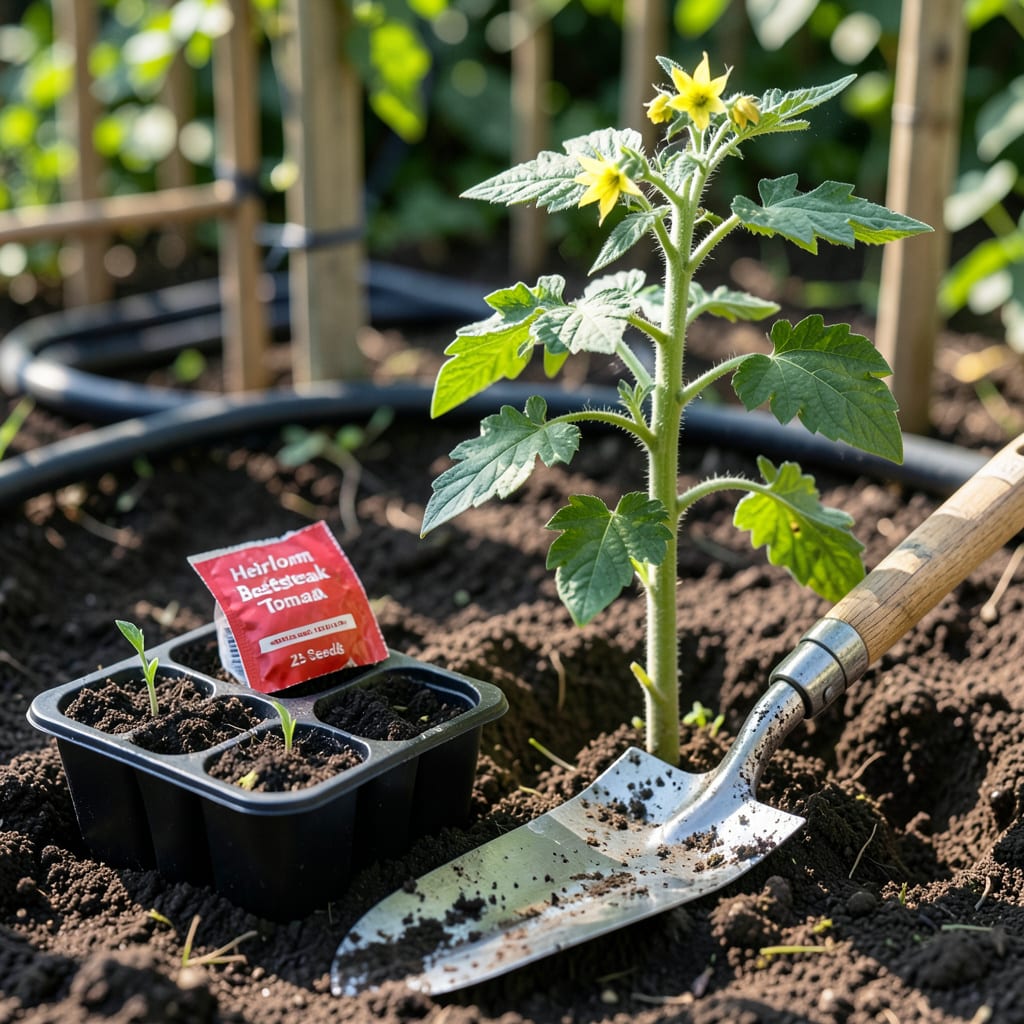
Timing can make or break your North Carolina garden—plant too soon, and a late frost could wipe out your hard work. Wait too long, and the summer heat might stunt your crops before they even get started.
Whether you’re in the Piedmont’s rolling hills or the Coastal Plain’s milder climate, knowing the ideal planting windows is your ticket to success. I’ll break down exactly when to get those seeds in the ground for a harvest that’ll make your neighbors jealous. Let’s dig in.
If you’ve ever wondered why your Piedmont tomatoes struggle while your Coastal neighbor’s thrive, it’s all about timing. North Carolina’s diverse climate means what works in Raleigh’s Zone 7b won’t fly in Asheville’s Zone 6a. I’ll break down the perfect planting windows for both regions.
The last frost date is your golden rule: April 15 for Piedmont and March 30 for Coastal areas. But don’t just mark your calendar—soil temperature matters more than air temp. A thermometer is your best friend here.
For Piedmont gardeners, the clay-heavy soil warms slower, so I always wait an extra week after the last frost. A soil test reveals if amendments like compost are needed—critical for root crops like carrots.
Coastal gardeners get a head start, but sandy soil drains fast. Mulch with pine straw to retain moisture. Watch for salt spray near the coast—it can stunt leafy greens.
Don’t forget succession planting! In Piedmont, I sow bush beans every 2 weeks from May to July. Coastal folks can push this to August for a fall crop.
Pro tip: Use a low tunnel to warm soil 2–3 weeks earlier. I’ve gotten Piedmont tomatoes in the ground by April 1 this way—just cover them if temps dip below 35°F.
Humidity is the silent killer in NC. Space squash plants wider in Coastal areas to prevent powdery mildew. Piedmont gardeners, watch for early blight on tomatoes—prune lower leaves for airflow.
Fall planting is underrated! In Piedmont, sow spinach by Sept 1 for a winter harvest. Coastal gardeners can plant garlic as late as Oct 15—it’ll overwinter beautifully.
Still unsure? The NC Cooperative Extension offers free planting calendars tailored to your county. I print mine and hang it in my shed—no more guessing games!
Remember, these dates are guidelines. Your microclimate might differ—observe your garden’s unique conditions. When in doubt, start seeds indoors 4–6 weeks early for a foolproof head start.
North Carolina’s weather keeps even seasoned gardeners guessing. One week it’s 70°F and sunny, the next you’re scrambling to cover plants from a late frost. After years of trial and error, I’ve pinpointed the five biggest mistakes that derail NC gardens—before you even get to harvest.
The #1 error? Ignoring your microclimate. Your neighbor’s thriving okra plants might fail in your yard if you’re in a frost pocket or wind tunnel. I use a $10 thermometer to track temps in my garden—it’s saved my tomato seedlings more times than I can count.
Here’s a mistake I made for years: trusting the calendar over soil temp. That April 15 last frost date for Piedmont? Useless if your soil’s still 50°F. Tomatoes and peppers won’t grow until soil hits 60°F—I learned this after three seasons of stunted plants.
Coastal gardeners, your nemesis is salt spray. I lost an entire row of Swiss chard before realizing the east-facing bed got blasted by ocean winds. Now I plant salt-tolerant varieties like ‘Bright Lights’ chard or use a windbreak of sunflowers.
In the Piedmont, clay soil is your frenemy. It holds nutrients but drains poorly, drowning carrot seeds and radishes. My fix? Raised beds with a 50/50 mix of native soil and compost. For in-ground planting, gypsum loosens clay without altering pH.
Succession planting isn’t just for pros. I plant bush beans every 2 weeks from May to July in Piedmont—Coastal folks can stretch to August. The trick? Note each planting date on a calendar with the expected harvest (usually 50–60 days later).
Finally, don’t fight the humidity. Instead of spraying fungicides, I space plants wider (18” for zucchini instead of 12”) and water at dawn so leaves dry fast. A drip irrigation system on a timer saved me hours and cut my powdery mildew cases by 80%.
Still nervous? Start a garden journal this year. Jot down planting dates, weather quirks, and what thrived (or flopped). Next season, you’ll spot patterns—like how my Piedmont basil always bolts by July 4, so now I plant it June 1 for a fall harvest.
Think your North Carolina garden’s done after summer? Think again! With the right timing and techniques, you can coax cool-season crops into thriving well into winter. The secret? Leveraging our state’s long fall growing window—especially in Coastal regions.
In the Piedmont, your fall planting clock starts ticking after Labor Day. I’ve found spinach and kale planted by September 1 often outperform spring crops, thanks to fewer pests and milder temps. Coastal gardeners? You’ve got until mid-September for these greens.
Use cloves from seed garlic, not grocery store bulbs. Mulch with 4″ of straw for winter protection.
Floating row covers add 4–6°F warmth and protect from pests. Remove on sunny 60°F+ days to prevent overheating.
Angle it south-facing to capture winter sun. Vent on 45°F+ days to prevent mold. I grew winter lettuce in mine until Christmas!
Pile 12″ of leaves over roots after first frost. Harvest as needed—flavor sweetens after freezing! Piedmont gardeners: add extra straw for insulation.
Sow by Sept 15. They’ll die in winter, leaving mulch that suppresses weeds and enriches soil for spring planting.
For Piedmont gardeners, October 15 is your drop-dead date for most fall crops. But here’s my trick: use transplants instead of seeds for broccoli and cabbage. They’ll mature faster before hard freezes hit. I grab mine from local nurseries in early September.
Coastal regions can push the envelope further. I’ve harvested sweet potatoes as late as November 10 near Wilmington by hill them with extra soil. Just watch the 10-day forecast—if nights dip below 40°F, it’s time to dig them up.
Don’t overlook perennials for winter interest! Plant spring-blooming bulbs (like daffodils) by November 1 in Piedmont, November 15 Coastal. They’ll naturalize over years, giving you earlier blooms each spring. I tuck them around my asparagus beds—they’re dormant in winter but appreciate the bulb companions.
My favorite fall hack? Interplant fast growers like radishes (25 days!) between slow-maturing crops. In Piedmont, I sow them between Brussels sprouts—they’re harvested before the sprouts need the space. Coastal gardeners can try this with green onions and kale.
Remember: fall’s shorter days mean slower growth. Adjust expectations—your September-planted lettuce might take 60 days instead of 45. But the payoff? Sweeter greens (thanks to frost) and fewer pests make it worth the wait. Plus, you’ll be harvesting fresh salads while others are buying sad grocery store lettuce!
Still hesitant? Start small with a 4’x4’ fall bed. Try ‘Winter Density’ lettuce, ‘Tyee’ spinach, and ‘Purple Top’ turnips—they’re my foolproof trio. Use the extra time to plan next year’s garden while enjoying this season’s extended harvest.
Use a simple soil thermometer to check temperatures at 6–8 inches deep. Most warm-season crops like tomatoes need soil temps above 60°F. For cool-season crops, 40–75°F is ideal.
Yes, but timing varies! Coastal areas can plant 2–3 weeks earlier due to milder winters. For example, tomatoes go in by April 1 Coastal vs. April 15 Piedmont. Always adjust for your specific microclimate.
Ignoring soil temperature and relying only on frost dates. Even if air temps are warm, cold soil stunts growth. I’ve lost pepper plants by planting too early—wait until soil hits 60°F for warm-season crops.
Use row covers or cold frames to protect crops from early frosts. In Piedmont, plant spinach by Sept 1; Coastal gardeners can push to Sept 15. These methods add 4–6 weeks of growing time.
