
Beautiful Plants For Your Interior
Beautiful Plants For Your Interior
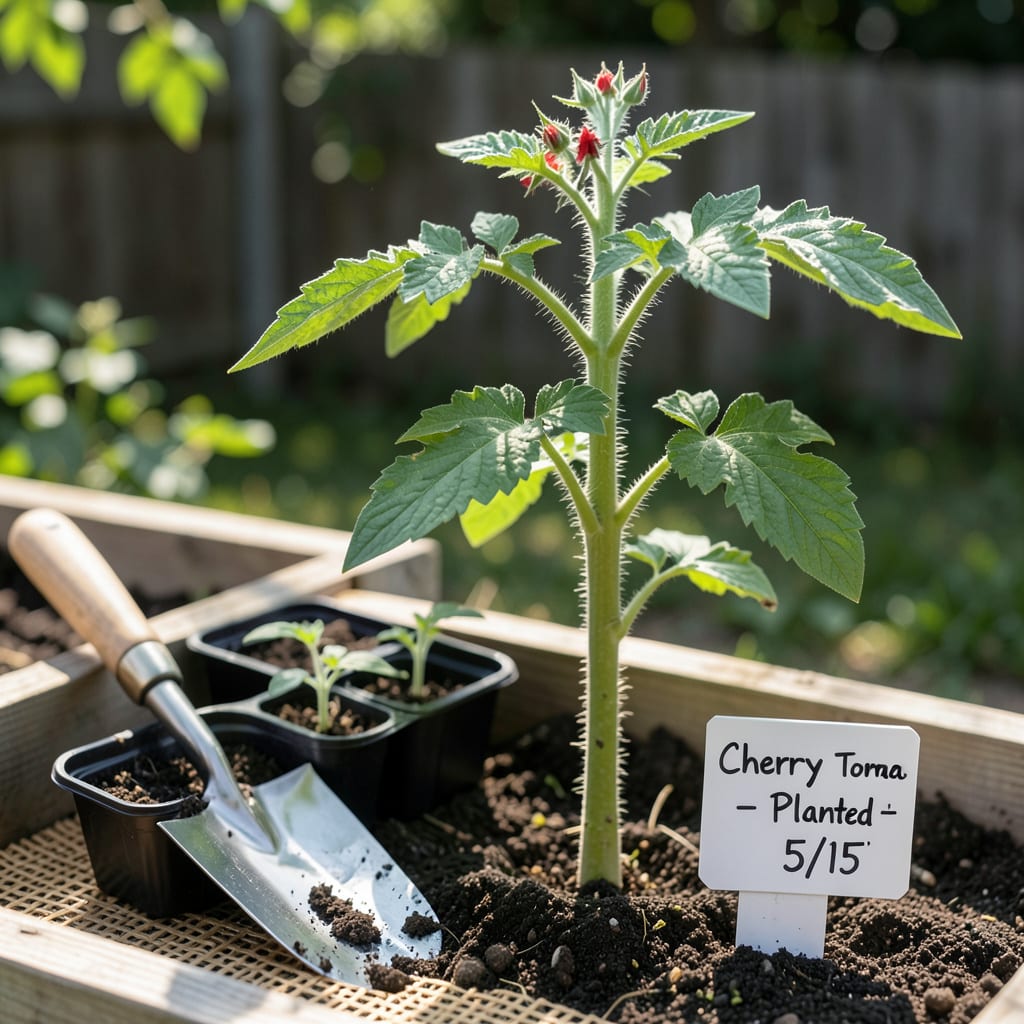
Michigan gardeners know the frustration all too well: one late frost can wipe out weeks of work, while planting too late means missing your harvest window. The difference between success and disappointment often comes down to just a few weeks of perfect timing.
After years of testing and adjusting, I’ve nailed down the ideal planting calendar for Michigan’s unpredictable climate—whether you’re in Detroit’s Zone 6 or the Upper Peninsula’s Zone 4. Let me show you exactly when to get those seeds in the ground for a thriving spring-to-fall garden.
Michigan’s three USDA zones (4-6) create vastly different planting windows. In Zone 4 (Upper Peninsula), you’ll wait until late May for warmth, while Zone 6 (Detroit, Grand Rapids) can start earlier. The key? Last frost dates—not just the calendar.
I always check soil temperature (50°F+ for most crops) rather than just dates. Southern Michigan might hit this by mid-April, but northern gardens often wait until late May. Let’s break down the exact windows for your zone.
| Crop Type | Zone 4 (UP) | Zone 5 (Mid) | Zone 6 (South) |
|---|---|---|---|
| Cool Crops (Peas, Spinach) |
May 1-15 | April 15-30 | April 1-15 |
| Warm Crops (Tomatoes, Peppers) |
June 1-10 | May 15-25 | May 10-20 |
| Fall Crops (Kale, Radishes) |
Aug 1-15 | Aug 15-30 | Sept 1-10 |
| Perennials (Strawberries, Asparagus) |
May 15-June 1 | April 20-May 10 | April 10-30 |
*Adjust dates by ±7 days for microclimates (urban areas, lake effects).
Notice how Zone 6 gardens (like Detroit) gain nearly a month over the Upper Peninsula? That’s why I always recommend checking your exact frost dates using Michigan State University’s frost calculator.
For cool-season crops like lettuce and peas, you can push the envelope. I’ve successfully planted spinach in late March in Grand Rapids using row covers. But warm-season plants like tomatoes? Wait until nights stay above 50°F.
The fall planting window is where many Michigan gardeners miss out. You can grow radishes and kale well into October if you time it right. Count backward from your first frost date (typically October 10-20 in Zone 5).
Pro tip: Use black plastic mulch to warm soil faster in spring. I’ve gained 2 weeks on my planting schedule in Traverse City (Zone 5) with this trick. Just remove it before planting to avoid root burn.
Remember, these dates are guidelines, not rules. Last year, a late May frost in Lansing (Zone 5) wiped out my early-planted beans. Now I wait until soil hits 60°F at 4″ depth—no exceptions.
For perennials like asparagus or rhubarb, fall planting (September) often works better in Michigan. The cooler temps reduce transplant shock, and roots establish before winter. I’ve had 90% survival rates using this method.
Want to extend your season? Try hoop houses or cold frames. In my Zone 6 garden near Kalamazoo, I harvest salad greens until Thanksgiving using simple PVC pipe frames covered with plastic.
Always keep a garden journal with your planting dates and weather notes. After 3 years, you’ll have a customized calendar that beats any generic guide. My journal showed me that carrots do better planted in late July for fall harvest!
Michigan’s short growing season demands smart monthly planning. I’ve learned that March through October each offer unique opportunities—if you know which plants thrive when. The secret? Succession planting and cold-hardy varieties.
Early spring (March-April) is all about cool-season crops that tolerate frost. I start peas and spinach as soon as the ground thaws. These plants actually sweeten with frost, making them perfect for Michigan’s unpredictable springs.
*Adjust for your specific zone—northern gardens should delay by 1-2 weeks.
I’ve found that April 15 is the magic date for southern Michigan (Zone 6). That’s when I plant my potatoes and onion sets. Northern gardeners should wait until May 1 to avoid frost damage.
For warm-season crops like tomatoes, I never plant before Memorial Day in the Upper Peninsula. Even in Detroit, I wait until night temps stay above 50°F. This patience prevents stunted growth from cold shock.
The July planting window is crucial for fall harvests. I plant carrots and beets by July 15 to ensure they mature before frost. In Grand Rapids, I’ve harvested sweet carrots as late as November using straw mulch.
Don’t overlook September planting! This is when I set out garlic cloves and shallots. They establish roots in fall, then explode with growth next spring. I’ve gotten bigger bulbs this way than with spring planting.
Remember, row covers can extend your season by weeks. I use them for fall lettuce and spinach in Traverse City. With protection, these greens often survive until Thanksgiving in Zone 5.
Keep a planting calendar on your fridge. Mine has saved me from many timing mistakes. Last year, it reminded me to plant fall radishes in early August—just in time for a perfect October harvest! 🌱
Michigan gardeners face unique obstacles that can derail even the best-laid planting plans. From unpredictable late frosts to heavy clay soil, these challenges require smart adaptations. After years of trial and error, I’ve developed strategies to turn these hurdles into advantages.
The Upper Peninsula’s short season (Zone 4) demands special attention. I’ve found that fast-maturing varieties like ‘Early Girl’ tomatoes and ‘Sugar Ann’ peas are game-changers. These plants can produce in 50-60 days, beating the first frost.
Solution: Succession planting and soil testing are your best defenses against these issues.
For clay soil, I recommend raised beds filled with a mix of topsoil, compost, and perlite. This creates perfect drainage while retaining moisture. In my Detroit garden (Zone 6), this method increased my tomato yields by 40%.
The lake effect creates microclimates that can confuse gardeners. Areas near Lake Michigan often have cooler springs but milder falls. I’ve successfully grown Brussels sprouts until December in Grand Haven by using this to my advantage.
To combat unpredictable frosts, I keep frost blankets ready until June 1. Last year, this saved my pepper plants during a surprise late frost in Lansing. For fall crops, I use low tunnels to extend harvests by 3-4 weeks.
Remember, Michigan’s native plants are your allies. Incorporating wild bergamot and coneflowers attracts pollinators while requiring minimal care. These thrive in our climate and support your vegetable garden’s productivity. 🌿
Use the USDA’s interactive plant hardiness zone map and enter your ZIP code. Most of southern Michigan falls in Zone 6, while the Upper Peninsula is primarily Zone 4-5. For precision, check with your local MSU Extension office for microclimate data.
Yes, but only with cold-hardy crops like peas, spinach, or kale. These can tolerate light frosts and even improve in flavor. Always use row covers for protection, and avoid planting tender crops like tomatoes until 2 weeks after your last frost date.
Planting too early without checking soil temperature. Many assume calendar dates are enough, but cold soil (below 50°F) stunts seed germination. I always use a soil thermometer—it’s saved my garden more than once!
Use season extenders like hoop houses, cold frames, or even simple plastic tunnels. In Zone 4, these can add 4-6 weeks to your season. I’ve harvested fresh greens until Thanksgiving in Marquette using just PVC pipes and plastic sheeting.
Early spring (April in Zone 6, May in Zone 4) or early fall (September). Fall planting often works better as cooler temps reduce transplant shock. Give them plenty of space—these plants can produce for 15+ years when established properly!
