
Beautiful Plants For Your Interior
Beautiful Plants For Your Interior
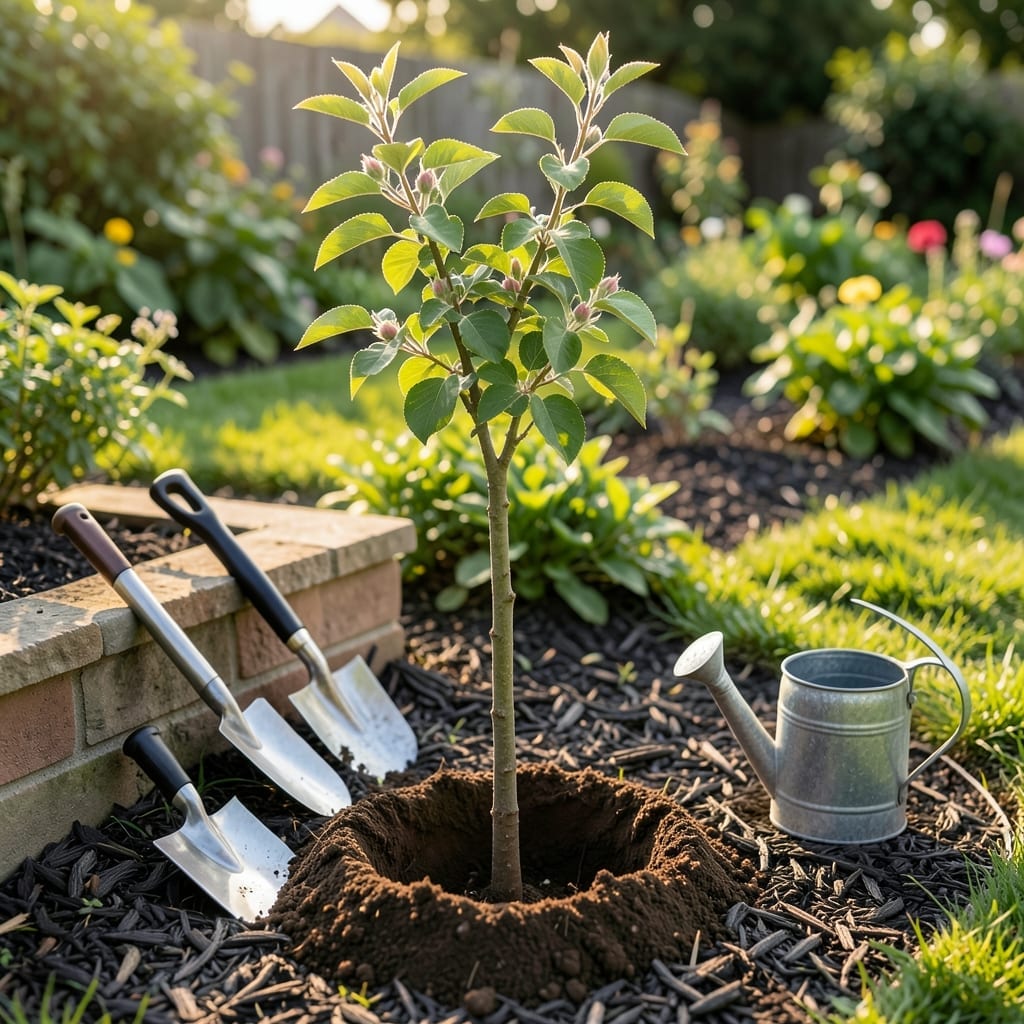
Timing is everything when it comes to planting your 🍎 Fruit Tree. Plant too early or too late, and you risk poor growth or even losing the tree entirely.
I’ve seen gardeners struggle with weak harvests simply because they missed the optimal window. The good news? With the right seasonal approach, you can set your Fruit Tree up for years of abundant success.
Discover the ideal planting windows and practical tips to ensure your trees thrive from day one. Let’s get started.
Planting fruit trees at the right time ensures strong root growth and healthy harvests. I’ve learned that early spring or fall are the best windows, but your USDA zone changes everything.
In colder zones like 3-5, spring planting after the last frost is ideal. Warmer zones like 7-10 allow for fall planting to avoid summer heat stress.
| USDA Zone | Optimal Planting Time | Key Consideration |
|---|---|---|
| 3-5 | Early spring | Plant after last frost |
| 6-7 | Spring or fall | Avoid extreme temps |
| 8-10 | Fall or winter | Cooler temps reduce stress |
For bare-root trees, planting in dormant season (late winter to early spring) is crucial. This allows roots to establish before new growth begins.
Container-grown trees offer more flexibility. I’ve successfully planted them in early summer with extra watering, but spring or fall is still best.
In zone 6, my experience shows March to April works perfectly for most fruit trees. The soil is workable, and frost risk is minimal.
Microclimates matter too. A south-facing slope warms up faster in spring, while a low-lying area may stay colder longer.
For apple and pear trees, early spring is ideal. Peach and cherry trees prefer slightly warmer soil, so late spring or fall works better.
Always check your local frost dates. Planting 2-3 weeks before the last frost gives roots time to settle without cold damage.
Remember, well-draining soil and proper spacing are just as important as timing. A sunny location with at least 6-8 hours of light is non-negotiable.
I’ve seen dwarf varieties thrive in containers when planted in spring. They’re perfect for small spaces but need consistent moisture.
Choosing between spring and fall planting for fruit trees can feel overwhelming. I’ve tested both and found each season has unique advantages for root establishment and growth.
Spring planting allows trees to grow roots and foliage before summer heat. Fall planting gives roots a head start before winter dormancy, often with less pest pressure.
In my experience, spring planting works best for cold-hardy trees like apples and pears. The warmer soil helps them establish quickly before summer.
Fall planting shines for stone fruits like peaches and plums. The cooler weather reduces transplant shock, and roots grow until the ground freezes.
For bare-root trees, spring is almost always better. Container-grown trees can handle either season with proper care and consistent watering.
I always recommend checking your local frost dates. Plant 2-3 weeks before the last frost in spring or 4-6 weeks before the first frost in fall. This timing gives roots the best chance to establish.
Remember, mulching and regular watering are key, regardless of planting season. A 2-3 inch layer of mulch helps retain moisture and protect roots.