
Beautiful Plants For Your Interior
Beautiful Plants For Your Interior
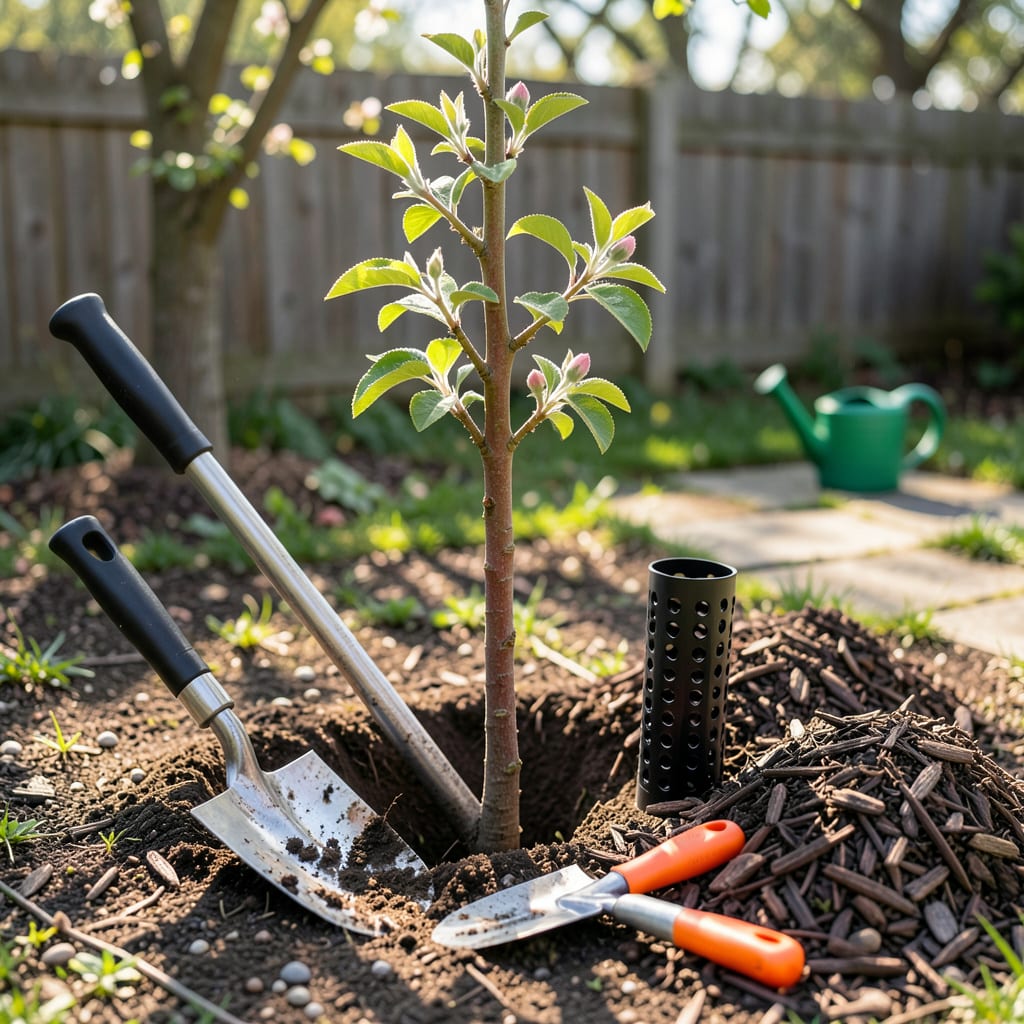
Timing can make or break your fruit tree success in Zone 6. Plant too early, and a late frost might wipe out your young 🍎 Apple Trees. Wait too long, and summer heat could stress them before roots establish.
After years of testing what works in Ohio’s 6a climate, I’ve nailed down the perfect windows for different fruit varieties. Let me show you exactly when to plant for thriving trees that produce for decades—not just survive.
Getting your timing right in Zone 6 means the difference between a struggling sapling and a thriving fruit producer. I’ve learned through trial and error that soil temperature matters more than calendar dates—aim for 45°F+ at planting depth.
While spring planting (March-April) is classic, don’t overlook fall’s advantages (October-November). Each fruit tree type has its sweet spot—apples love early spring, while peaches often do better with fall’s cooler temps.
For apple trees, I always wait until after April 15 (Ohio’s average last frost) to avoid bud damage. The soil should feel like a damp sponge—not soggy—when you squeeze it.
Peach trees are my fall favorites because they establish roots before winter dormancy. Plant them 6 weeks before first frost (around October 1 in Zone 6) for best results.
Here’s my pro tip: Use a soil thermometer ($10 at garden centers) to check temps at 6-inch depth. If you’re planting bare-root trees, soak roots in water for 2-3 hours before planting.
Microclimates matter hugely in Zone 6. South-facing slopes warm up 2-3 weeks earlier than north-facing ones. I’ve seen peach trees bloom 10 days earlier just by moving them 50 feet!
For cherry trees, avoid low spots where cold air settles—this prevents frost damage to blossoms. Plant them on slight mounds if your soil is heavy.
Remember that container-grown trees can go in the ground slightly later than bare-root. They’ve already got established roots, so they handle transplant shock better.
No matter the type, always mulch immediately after planting with 2-3 inches of wood chips. This keeps soil temps steady and conserves moisture during those critical first months.
I’ve planted dozens of fruit trees in Zone 6 across both seasons, and here’s what I’ve learned: spring planting gives trees a full growing season, while fall planting often means stronger root systems before winter. The best choice depends on your specific tree type and microclimate.
For apple and pear trees, I consistently get better results with early spring planting (March-April). They need those extra months to establish before winter. But peach and cherry trees? They often thrive better when planted in fall (October-November).
Spring planting requires more water management—I water my new trees 2-3 times weekly during dry spells. Fall-planted trees need mulch protection (4-6 inches) to prevent frost heaving. Both seasons demand consistent moisture for the first year.
Here’s my Zone 6 rule: If your area has reliable snow cover, fall planting works beautifully. If you’re in a drought-prone pocket, spring gives you better control over watering. Always check your local frost dates—they can vary by 2 weeks even within Zone 6.
For bare-root trees, spring is almost always better. The container-grown trees I’ve planted in fall establish just as well as spring-planted ones, with less transplant shock. Either way, avoid planting during summer heat—it stresses trees unnecessarily.
No matter when you plant, remember this: The first year is about root growth, not fruit. I remove all blossoms the first season to help my trees focus energy on establishing. This pays off with bigger harvests in years 3-5.
After planting hundreds of fruit trees in Zone 6, I’ve seen the same mistakes wreck even the healthiest saplings. The biggest killer isn’t pests or disease—it’s preventable errors during those first critical months. Let me save you years of frustration.
First on my list: ignoring chill hours. That gorgeous peach tree from the nursery won’t produce if your Zone 6 winter doesn’t meet its 400-600 chill hour requirement. Always check tags for varieties like ‘Redhaven’ that thrive in our climate.
I once lost three cherry trees by planting them in a low-lying area where cold air settled. Always choose elevated spots for stone fruits—they’re more vulnerable to frost damage than apples or pears.
Another Zone 6-specific tip: protect young bark from sun scald in winter. Wrap trunks with white tree guards in November and remove them by March 15 to prevent moisture buildup.
For peach trees, thin fruit aggressively the first two years. I remove 50% of young fruit in June to prevent branches from breaking. This seems harsh but leads to larger, healthier peaches long-term.
Remember that fall-planted trees need extra attention going into winter. I water mine deeply until the ground freezes, then add 4-6 inches of mulch after the first hard frost. This prevents the freeze-thaw cycles that can heave roots.
Both seasons work, but fall offers unique advantages. Planting in October-November allows roots to establish before winter dormancy. However, spring planting (March-April) gives trees a full growing season to adapt.
Use a soil thermometer to check temps at 6-inch depth. Ideal planting occurs when soil reaches 45-50°F. In Zone 6, this typically happens 2-3 weeks after last frost.
Yes! Container trees have established roots, so they handle transplant shock better. You can plant them 2-3 weeks later than bare-root varieties. Just avoid extreme heat or frost periods.
Ignoring microclimates! A south-facing slope can be 2-3 weeks warmer than a north-facing one. Always plant stone fruits on elevated ground to avoid frost pockets.
New trees need 1-1.5 inches weekly for the first year. Use a drip system for consistency. In summer, increase to 2-3 times weekly during dry spells.
