
Beautiful Plants For Your Interior
Beautiful Plants For Your Interior
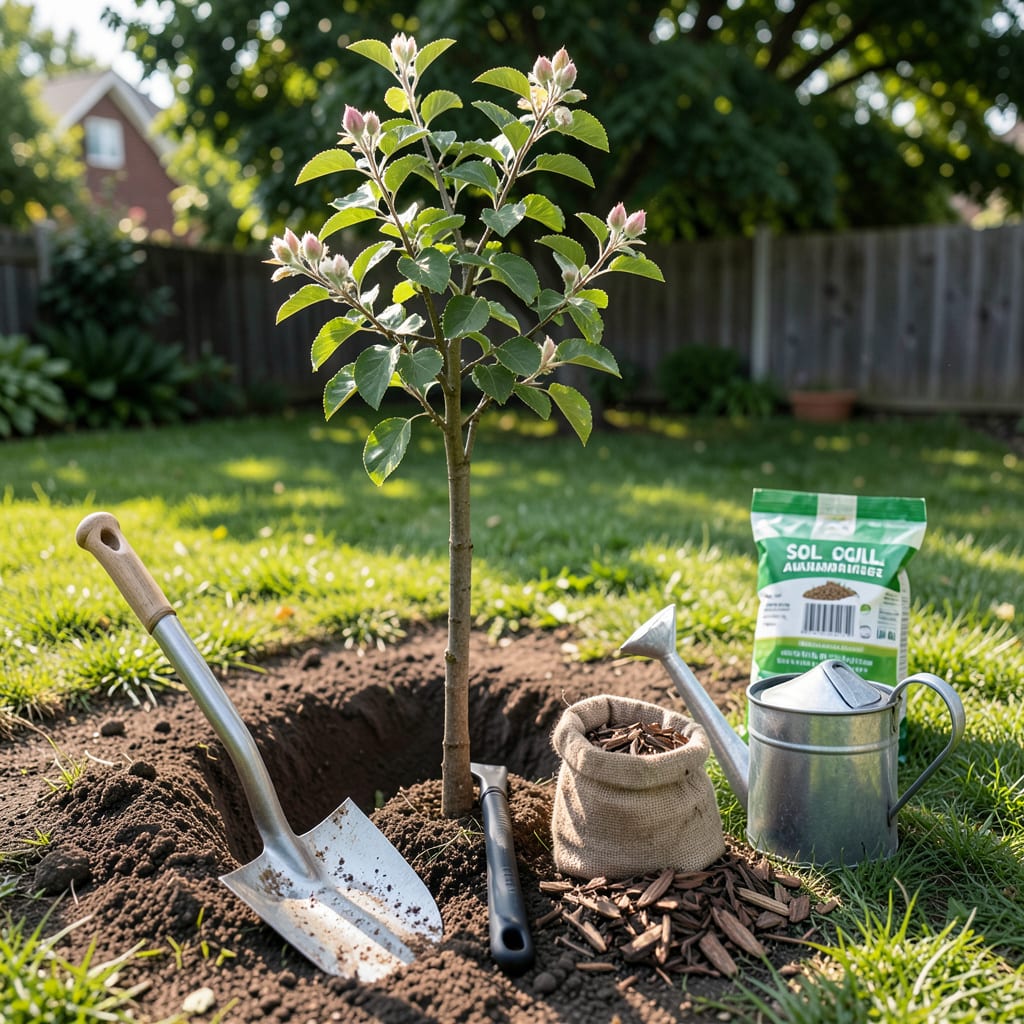
Timing isn’t just important—it’s everything when planting a 🌳 Fruit Tree in Virginia. Plant too early, and a late frost could wipe out your saplings. Wait too long, and summer’s heat might stunt their growth for years.
After helping dozens of Virginia gardeners avoid costly mistakes, I’ve nailed down the exact planting windows for zones 6a–8a. Whether you’re dreaming of apples, peaches, or cherries, I’ll show you how to get it right the first time—so your trees thrive for decades.
If you’ve ever wondered why your neighbor’s apple trees thrive while yours struggle, the secret often lies in timing and location. Virginia’s diverse climate—spanning USDA Zones 5a to 8a—means planting windows vary dramatically. Get it right, and your trees will establish roots before summer heat or winter frost hits.
In colder zones like 5a-6b, late winter planting (February to early March) gives roots a head start before the last frost. Warmer zones like 7a-8a can push planting into early April. But here’s the catch: bare-root trees need dormancy, while container-grown trees offer more flexibility.
| USDA Zone | Ideal Planting Window | Last Frost Date | Best Tree Types |
|---|---|---|---|
| 5a-6a | Late Feb–Early March | May 1 | Cold-hardy apples, pears |
| 6b-7a | Early March–Mid-April | April 15 | Peaches, cherries, plums |
| 7b-8a | Mid-Feb–Late April | March 30 | Figs, persimmons, semi-tropical |
For bare-root trees, timing aligns with dormancy—January to March is ideal. These trees need 4-6 weeks before bud break to establish roots. In Zone 8a, you can plant as early as late January, but Zone 5a gardeners should wait until late February to avoid frost damage.
Container-grown trees offer more flexibility. You can plant them from early spring to late fall, but avoid summer extremes. The key? Water deeply after planting and mulch to retain moisture. In Zone 7b, I’ve had success planting peach trees in early April—they thrive with consistent watering.
Soil temperature matters too. Aim for 45–55°F at planting depth. Use a soil thermometer or check local extension reports. If the ground is frozen or waterlogged, wait. In Zone 6a, I once lost a cherry tree by planting too early—lesson learned!
Don’t forget chill hours. Apples need 500–1,000 hours below 45°F to fruit properly. Peaches require 600–900 hours. Check variety tags—some low-chill options, like ‘Anna’ apples, work in Zone 8a but fail in colder areas.
For fall planting, only Zones 7a–8a should attempt it—September to October gives roots time to grow before winter. In Zones 5a–6b, stick to spring. I’ve seen fig trees planted in October thrive in Zone 7b, but the same trees died in Zone 6a.
Pro tip: Call your local Virginia Cooperative Extension for hyper-local advice. They track microclimates and can confirm if your specific county leans warmer or cooler than the zone map suggests. I once adjusted my planting date by two weeks based on their soil temp data—game changer!
Finally, mark your calendar for soil prep in late fall. Test pH (aim for 6.0–6.5) and amend with compost. Well-prepared soil means healthier trees, whether you’re planting Fuji apples in Zone 6b or Brown Turkey figs in Zone 8a.
Not all fruit trees thrive equally in Virginia’s humid summers and variable winters. The key is matching chill hour requirements to your zone. For example, ‘Fuji’ apples need 500–700 chill hours, making them perfect for Zones 6a–7a, while ‘Anna’ apples (only 200–300 hours) excel in Zone 8a.
Let’s break down the top performers. Peaches like ‘Redhaven’ or ‘Elberta’ flourish in Zones 6b–8a with 600–900 chill hours. Plant them in early March for Zones 6b–7a or late February in Zone 8a. Their juicy, freestone fruit ripens by mid-summer, but watch for brown rot in wet years.
For cherry trees, ‘Bing’ and ‘Montmorency’ are winners in Zones 5a–7a. Plant in late February to early March—they need 700+ chill hours and bloom early. In Zone 8a, opt for ‘Stella’ (self-pollinating) and plant by mid-February to avoid bud damage from late frosts.
Fig trees like ‘Brown Turkey’ or ‘Celeste’ thrive in Zones 7b–8a with minimal chill requirements. Plant in early spring or fall (September–October). They’re drought-tolerant once established but need well-draining soil to prevent root rot during Virginia’s wet springs.
If you’re in Zone 5a–6a, focus on cold-hardy pears like ‘Kieffer’ or ‘Moonglow’. These tolerate late frosts and ripen in late summer. Plant in early March and protect young trees with frost blankets if a late cold snap is forecasted.
For small spaces, consider dwarf varieties like ‘Columnar’ apples or ‘Bonanza’ peaches. These fit in containers or tiny yards and still produce full-sized fruit. Plant them in early spring (March–April) and use stakes for support—their compact roots need extra stability.
Lastly, pollination matters. Most fruit trees need a compatible partner within 50 feet. For example, ‘Fuji’ apples pair well with ‘Gala’, while ‘Bing’ cherries require ‘Rainier’ or ‘Van’. Always check tags or ask your nursery—skipping this step means no fruit!
Even with perfect timing, a few common mistakes can doom your fruit trees before they bear their first fruit. After seeing too many Virginia gardeners struggle, I’ve narrowed it down to the three deadliest errors—and how to fix them before you even pick up a shovel.
The first blunder? Ignoring soil drainage. Virginia’s clay-heavy soil in zones 6a–7a can suffocate roots. I once lost a peach tree in Zone 6b because water pooled around its base. Always test drainage by digging a 12-inch hole, filling it with water, and timing how long it takes to empty.
The root flare (where roots meet trunk) should sit 2–3 inches above soil. Bury it, and you’ll smother the tree. In Zone 7a, I’ve seen apple trees die within a year from this mistake.
Most fruit trees need a compatible partner within 50 feet. A solo ‘Bing’ cherry won’t fruit without a ‘Rainier’ nearby. Always check tags or ask your nursery for Virginia-tested pairs.
Virginia’s summer heat and winter freezes stress young trees. Apply 3–4 inches of mulch (wood chips or straw) in a 3-foot diameter, but keep it 6 inches from the trunk to prevent rot.
The second mistake is planting in the wrong spot. Fruit trees need full sun (6–8 hours daily) and protection from wind. A cherry tree I planted in partial shade in Zone 6a produced sparse, sour fruit. Use a sun calculator app to map light patterns before digging.
Third, many gardeners forget to water deeply after planting. New trees need 5 gallons of water per week (more in Zones 7b–8a summers). Set a reminder to water slowly at the base—no sprinklers! I use a soaker hose on a timer for my peach trees in Zone 7a.
Bonus tip: Deer and rodents love young fruit trees. In rural Zone 5a–6a, protect trunks with hardware cloth and use deer repellent sprays. I lost a plum tree overnight to deer—now I wrap trunks in winter and spray monthly in growing season.
Finally, don’t fertilize at planting. Wait 4–6 weeks to avoid burning new roots. Instead, mix compost into the soil before planting. In Zone 8a, I add mycorrhizal fungi to help roots establish faster in sandy soil.
By dodging these pitfalls, your trees will focus on root growth and fruit production—not survival. And that means sweeter harvests for years to come! 🌳💧
Bare-root trees are dormant and should be planted in late winter (Feb–Mar) while still asleep. They’re cheaper but need immediate planting. Container-grown trees can go in the ground from early spring to fall, offering more flexibility. Both need consistent watering after planting.
Only in Zones 7a–8a! Fall planting (September–October) works for warmer areas, giving roots time to establish before winter. In Zones 5a–6b, stick to spring planting to avoid frost damage to young trees. Always mulch heavily after planting.
Test soil temperature—it should be 45–55°F at planting depth. If the ground is frozen or waterlogged, wait. Dig a 12-inch hole, fill it with water, and time drainage. If it empties in 1–2 hours, you’re good to go. Clay-heavy soil? Amend with compost first.
Planting too deep is the #1 killer of young fruit trees. The root flare (where roots meet trunk) should sit 2–3 inches above soil. Bury it, and the tree suffocates. Also, skipping pollinator pairs means no fruit—always plant two compatible varieties within 50 feet.
