
Beautiful Plants For Your Interior
Beautiful Plants For Your Interior
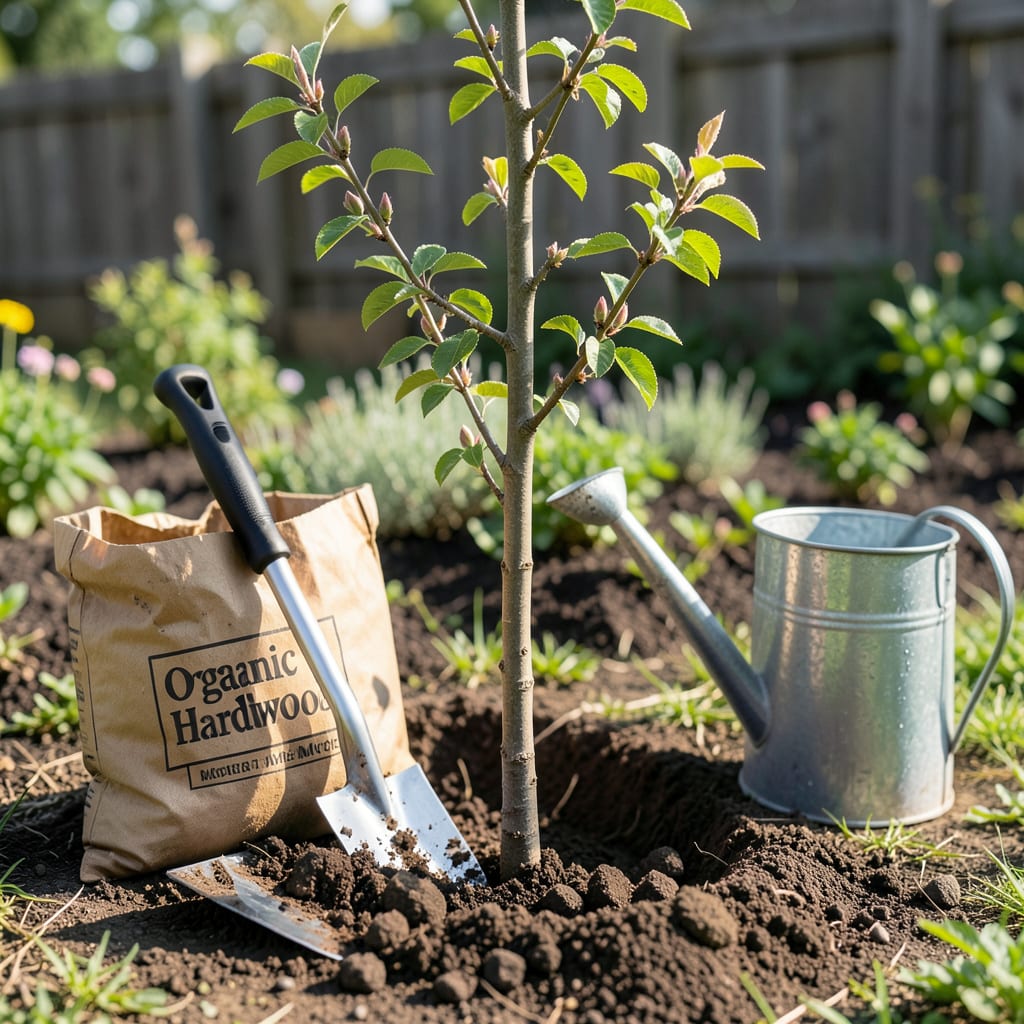
Timing is everything when it comes to planting fruit trees in Texas—get it wrong, and you could be setting yourself up for disappointment. Our state’s wild climate swings from freezing winters in the Panhandle to scorching summers in the Rio Grande Valley mean one-size-fits-all advice just won’t cut it.
Whether you’re dreaming of homegrown peaches in East Texas or citrus in the Hill Country, I’ll break down exactly when to plant for best results. We’ll cover regional differences, frost dates, and the varieties that thrive where you live—so your orchard gets off to the strongest possible start.
Texas isn’t one-size-fits-all when it comes to fruit trees. Our three major regions—North, Central, and South—each have unique planting windows. In North Texas (Zones 6-8), late winter freezes dictate timing, while South Texas (Zones 9-10) gardeners battle summer heat stress.
For deciduous trees like peaches and plums, I always recommend late winter planting (January-February) in Central/South Texas. North Texas gardeners should wait until mid-February to early March to avoid late frosts. Evergreens like citrus need fall planting (October-November) in warmer zones.
| Tree Type | North Texas | Central Texas | South Texas |
|---|---|---|---|
| Peaches | Feb-March | Jan-Feb | Dec-Jan |
| Citrus | Not recommended | Oct-Nov | Sept-Oct |
| Figs | March-April | Feb-March | Year-round |
| Apples | Jan-Feb | Dec-Jan | Not ideal |
| Pears | Feb-March | Jan-Feb | Dec-Jan |
*Based on Texas A&M AgriLife Extension recommendations for USDA Zones 6-10
Soil temperature matters more than calendar dates. I use a soil thermometer to check for 50°F+ at 4″ depth before planting. North Texas often hits this in late February, while South Texas may be ready by early December for citrus.
For bare-root trees, timing is critical—they must go in during full dormancy. That’s typically December-January in South Texas but January-February in North Texas. Container-grown trees offer more flexibility, but I still avoid planting during summer extremes (June-August).
Don’t forget about chill hours! Peaches need 400-800 hours below 45°F. North Texas usually meets this, but South Texas gardeners should choose low-chill varieties like ‘Tropic Beauty’ peaches or ‘Anna’ apples.
Watering after planting is crucial, especially in our drought-prone regions. I recommend deep watering 2-3 times weekly for the first month, then tapering to 1″ per week. Mulch with 3-4″ of wood chips to conserve moisture.
Pro tip: Check your local frost dates! North Texas’ last frost is typically March 15-April 1, while South Texas rarely sees frost after February 15. Planting too early risks frost damage; too late means heat stress.
For citrus lovers in North Texas, consider container planting with varieties like ‘Improved Meyer’ lemon. They can be moved indoors during freezes. In South Texas, in-ground planting works for satsumas and grapefruits.
Remember, Texas soils vary dramatically. Our clay-heavy North Texas needs amending with compost and expanded shale, while sandy South Texas soils benefit from organic matter to retain moisture. Always test your soil pH before planting!
By matching your planting time to both the tree type and your specific Texas region, you’ll give your fruit trees the best chance to thrive. The right timing means stronger roots, better fruit set, and years of bountiful harvests. 🌳
Getting your fruit trees in the ground at the right time makes all the difference in Texas. I’ve found that following a month-by-month schedule helps avoid common pitfalls like frost damage or heat stress. Let’s break down the ideal planting windows for both bare-root and container-grown trees across our state.
Remember, Texas spans USDA Zones 6-10, so your exact timing may vary. I always recommend checking your local frost dates and soil temperatures before planting. For most fruit trees, we want soil temps above 50°F at planting depth.
*Adjust for local microclimates and unexpected weather events
For bare-root trees, the window is tight—typically December through February. These must be planted during full dormancy. I’ve had best success with January plantings in Central Texas, where we get enough winter chill but avoid late frosts.
Container-grown trees offer more flexibility. You can plant them nearly year-round, but I avoid summer extremes (June-August). Spring and fall are ideal, with March-April being my favorite window for most deciduous trees in North/Central Texas.
Don’t overlook pre-planting prep! I recommend testing your soil 2-3 months before planting. Texas soils often need amendments: compost for sandy soils, expanded shale for clay. Aim for a pH of 6.0-7.0 for most fruit trees (blueberries need 4.5-5.5).
After planting, watering is critical. I use this schedule: 2-3 times weekly for the first month, then 1″ per week. In drought-prone areas, consider drip irrigation to deliver water directly to roots. Mulch with 3-4″ of wood chips to retain moisture.
Remember, Texas weather is unpredictable! I always keep frost blankets handy for late freezes in North Texas, and shade cloth for South Texas’ intense summer sun. By following this calendar and adjusting for your specific region, you’ll set your fruit trees up for success. 🌳
Even experienced gardeners can make critical errors when planting fruit trees in Texas. I’ve seen firsthand how these mistakes can stunt growth or even kill young trees. The good news? They’re all preventable with the right knowledge and preparation. 🌱
One of the most common issues I encounter is planting at the wrong depth. The root flare (where roots meet trunk) should always be 1-2 inches above soil level. Burying it too deep suffocates roots and invites disease.
Watering mistakes rank as the second biggest killer of new fruit trees. In North Texas clay, overwatering creates root rot, while South Texas sand demands more frequent irrigation. I recommend the “finger test”—stick your finger 2 inches deep; water only if dry.
Another critical error is ignoring microclimates. That sunny south-facing wall might seem perfect, but it can create heat pockets that stress young trees. I always suggest planting on east-facing slopes in West Texas to avoid afternoon sun scorch.
Don’t forget about soil preparation! Texas soils vary dramatically. I’ve found that amending with 50% native soil + 50% compost gives the best results. For blueberries, you’ll need to create acidic beds with peat moss or sulfur—our native soils are too alkaline.
Finally, skipping mulch is a rookie mistake. A 3-4 inch layer of wood chips conserves moisture, regulates soil temperature, and suppresses weeds. Just keep it 6 inches away from the trunk to prevent rot. Avoid volcanic rock mulch—it heats up too much in our summers! 🌳
Fall is ideal for most regions, especially South and Central Texas. The cooler temps and winter rains help roots establish before summer heat. Spring works in North Texas to avoid late frosts, but requires more watering.
In-ground planting isn’t recommended due to freezing winters. Opt for container-grown varieties like ‘Improved Meyer’ lemon that can be moved indoors. South Texas is better suited for in-ground citrus like satsumas.
Check that soil temps are above 50°F at 4″ depth. Test drainage by digging a 12″ hole—if water drains within 2 hours, you’re good. Clay-heavy soils need amending with compost and expanded shale.
Planting too deep! The root flare should be 1-2 inches above soil. Also, many skip checking chill hour requirements—South Texas needs low-chill varieties like ‘Tropic Beauty’ peaches.
2-3 times weekly for the first month, then taper to 1″ per week. Use the “finger test”—stick your finger 2 inches deep; water only if dry. Drip irrigation works best in drought-prone areas.
