
Beautiful Plants For Your Interior
Beautiful Plants For Your Interior
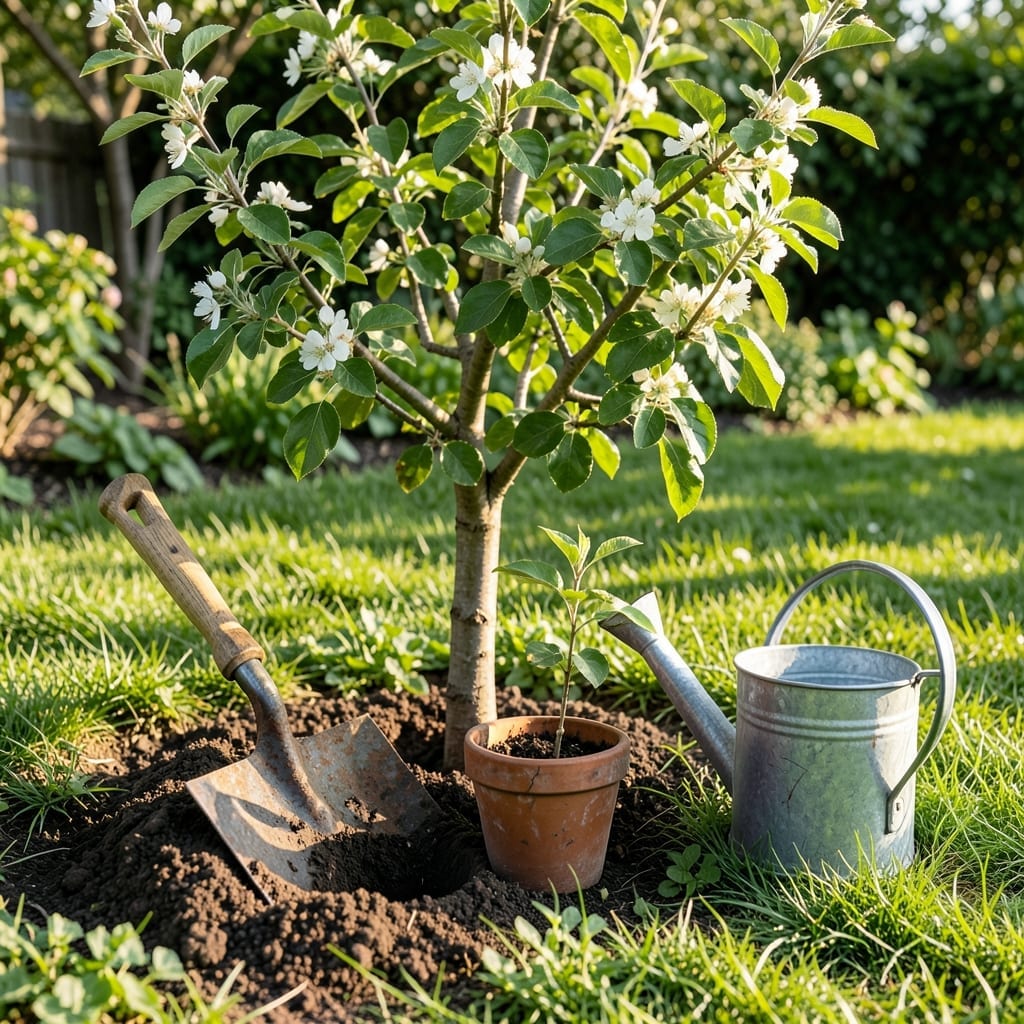
Timing is everything when planting 🌳 Fruit Trees in Southern California’s unique Mediterranean climate. Plant too early or too late, and you risk stunted growth, poor yields, or even tree loss.
Our region’s mild winters and hot summers create a planting window that might surprise you. Unlike colder areas, we have the luxury of a nearly year-round growing season—but there’s still a sweet spot.
I’ve seen too many gardeners struggle because they didn’t align their planting with the tree’s natural rhythm. The good news? Getting it right is easier than you think.
Discover the ideal months to plant your Fruit Tree and set the stage for years of abundant harvests. Let’s dig into the details that will make all the difference.
Southern California’s Mediterranean climate offers unique advantages for fruit tree planting. The cool, moist winter and warm, dry summer create ideal conditions for many varieties to thrive.
I’ve found that timing your planting with the dormant season gives trees the best start. This is typically between December and February, when trees are inactive and transplant shock is minimized.
| Fruit Tree Type | Best Planting Window | Key Considerations |
|---|---|---|
| Citrus (Oranges, Lemons) | November–March | Avoid frost pockets; loves heat |
| Stone Fruits (Peaches, Plums) | December–February | Needs chill hours (200–700) |
| Avocados | March–May | Warm soil 60°F+; frost-sensitive |
| Subtropical (Mangoes, Guavas) | April–June | Requires frost-free zones |
| Fig Trees | November–February | Drought-tolerant; well-draining soil |
The citrus family thrives in SoCal’s warmth but needs protection from cold snaps. Planting in late fall to early spring ensures roots establish before summer heat.
Stone fruits like peaches and plums require chill hours to produce fruit. In USDA Zones 9b–10a, December–February planting aligns perfectly with their dormancy period.
Avocados are the exception—they prefer warmer soil and should be planted in spring. This avoids cold shock and encourages strong initial growth.
For subtropical varieties like mangoes, wait until all frost risk passes. These trees are highly sensitive to cold and need consistent warmth to flourish.
Fig trees are incredibly adaptable in SoCal. Plant them in winter for a head start, as they’re drought-tolerant once established and need minimal chill hours.
Remember, microclimates matter! Coastal areas may allow for earlier planting, while inland valleys might need to wait until soil warms slightly in late winter.
Always test your soil before planting. Fruit trees generally prefer well-draining, slightly acidic soil with a pH between 6.0 and 7.0. Amend heavy clay with compost for better root development.
Finally, water deeply after planting and mulch to retain moisture. This is especially critical in SoCal’s dry climate, where young trees need consistent hydration to establish strong root systems.
🌳Southern California’s Mediterranean climate offers unique advantages for fruit trees, but timing must account for several key factors. I’ve found that soil temperature and rainfall patterns play huge roles in root establishment and early growth.
Heatwaves can stress young trees, while coastal vs. inland microclimates create different planting windows. Even the famous Santa Ana winds can dry out soil faster than you’d expect.
I always check soil temperature with a simple thermometer before planting. If it’s below 60°F, roots struggle to establish. The winter rainy season is perfect for natural irrigation of new plantings.
Coastal areas stay cooler longer, so I can plant from November through February. But inland, where temperatures swing wildly, I stick to December-January to avoid heat stress.
Santa Ana winds are notorious for sucking moisture from soil. I’ve learned to mulch heavily and water deeply before these dry spells hit. It’s made a noticeable difference in tree survival rates.
Remember, even drought-tolerant trees need consistent moisture their first year. I set up drip irrigation on a timer to maintain even soil moisture during those critical early months.
🌳