
Beautiful Plants For Your Interior
Beautiful Plants For Your Interior
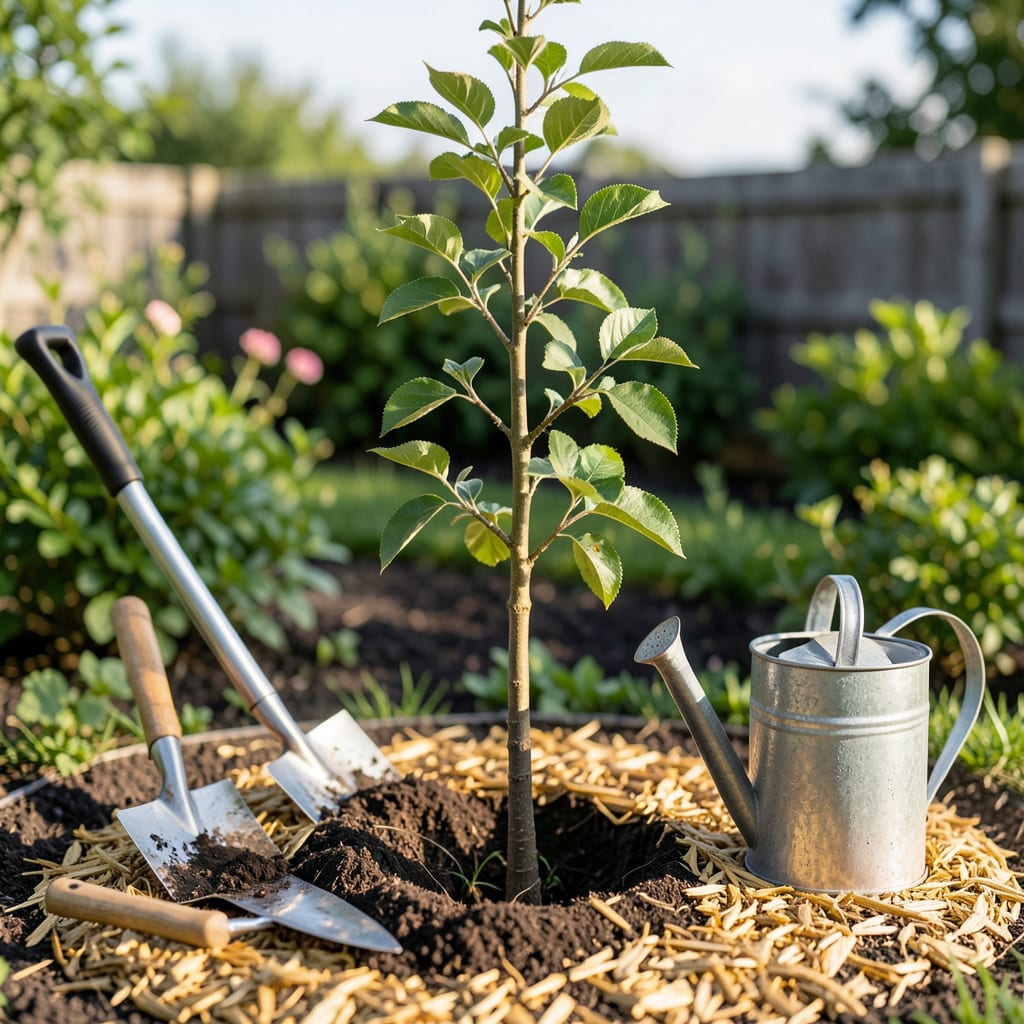
Timing is everything when it comes to planting fruit trees in Pennsylvania—get it wrong, and you could be setting yourself up for years of disappointment. Our state’s unpredictable springs and early frosts mean the difference between a thriving orchard and a struggling sapling often comes down to just a few weeks.
Whether you’re in the rolling hills of Zone 5 or the milder climates of Zone 7, I’ll break down the exact windows for planting apples, peaches, and cherries. You’ll also learn how to prep your soil for PA’s unique conditions and avoid the three critical mistakes even experienced gardeners make. Let’s get your trees off to the right start.
If you’re planting fruit trees in Pennsylvania, timing is everything. Our state spans USDA zones 5a to 7b, meaning your ideal window shifts dramatically from Erie to Philadelphia. I’ve seen too many gardeners lose trees to late frosts or early heatwaves—so let’s get this right.
The best planting seasons are early spring (before buds break) or fall (6+ weeks before first frost). But Pennsylvania’s microclimates—like the Lake Erie snowbelt or the warmer southeastern lowlands—can shift these dates by 2+ weeks. Always check your local frost dates first.
| USDA Zone | Ideal Spring Planting | Ideal Fall Planting | Last Frost Date | First Frost Date |
|---|---|---|---|---|
| 5a (NW PA) | Mid-April to early May | Late August to mid-Sept | May 10 | October 1 |
| 6a-6b (Central PA) | Late March to mid-April | Early Sept to mid-Oct | April 20 | October 15 |
| 7a-7b (SE PA) | Early March to late April | Mid-Sept to late Oct | April 5 | November 1 |
*Adjust for microclimates: Urban heat islands (e.g., Philly) may allow 2 weeks earlier planting. Mountainous areas (Poconos) often need 2 weeks later.
In zone 5a (think Erie or Warren), you’re dealing with shorter growing seasons and harsher winters. I recommend fall planting here—it gives roots a head start before the ground freezes. But avoid planting after September 15; young trees need time to establish before snow.
For zone 6b (Harrisburg, State College), spring planting often works best. Our clay-heavy soils warm slowly, so aim for late April when the ground is workable but not waterlogged. If you plant in fall, finish by October 1 to avoid frost heave.
Down in zone 7a/7b (Philly, Lancaster), you’ve got more flexibility. I’ve successfully planted peach trees as late as November 1 in warm years. But apples and pears still do best with early spring or mid-fall timing to avoid summer drought stress.
Here’s my pro tip: Use the Penn State Extension’s frost calculator to pinpoint your exact dates. And if you’re in a low-lying area prone to frost pockets (common in the Allegheny Plateau), add 2 weeks to your spring planting window for safety.
Remember, bare-root trees must go in during dormancy (late winter to early spring). Container-grown trees can be planted anytime, but they’ll need extra watering if planted in summer. I always mulch heavily—3-4 inches of wood chips—to protect roots in PA’s temperature swings.
If you’re planting cherries or plums, lean toward early spring in colder zones—they’re more frost-sensitive. Apples and pears can handle fall planting better. And no matter what, avoid planting during drought or when soils are soggy from PA’s infamous spring rains.
Still unsure? Grab a soil thermometer—ideal planting temps are 50–60°F at 6 inches deep. Or check with your local Penn State Extension office; they’ve got hyper-local data that’s pure gold for PA gardeners. 🌳
Even experienced gardeners in Pennsylvania can unintentionally sabotage their fruit trees by making three common mistakes. I’ve seen it time and again: a perfectly healthy sapling struggles or dies because of avoidable errors. Let’s tackle these pitfalls so your trees thrive for decades.
First up is ignoring soil prep, especially in PA’s clay-heavy regions. Many gardeners dig a hole, plop in the tree, and call it a day. But our dense soils can suffocate roots and trap water. I always recommend amending with compost or aged manure and testing drainage before planting.
The second mistake is planting too late before winter. In zone 5a, I’ve seen gardeners plant in late October, only to lose trees to frost heave. Roots need 6+ weeks to establish before the ground freezes. For zone 6b, aim to finish by October 1; in zone 7a, you can push to November 1 in warm years.
Third, many PA gardeners misjudge tree types for our climate. Bare-root trees must go in during dormancy (late winter to early spring), while container-grown trees can be planted anytime—but they’ll need extra care if planted in summer. I always recommend disease-resistant varieties like ‘Liberty’ apples for our wet springs.
Here’s a zone-specific fix for clay soil: In central PA (zone 6b), mix 50% native soil with 30% compost and 20% perlite when backfilling. For southeastern PA (zone 7a), add sand to improve drainage in our heavier soils. And no matter where you are, mulch with 3–4 inches of wood chips to protect roots.
If you’re planting cherries or plums, avoid low-lying areas where cold air settles—these trees are frost-sensitive. For apples and pears, fall planting works well, but peaches do better in spring to avoid winter damage. And always stake young trees in windy areas like the Allegheny Plateau or Lancaster County.
Still unsure? Grab a soil thermometer—ideal planting temps are 50–60°F at 6 inches deep. Or check with your local Penn State Extension office for hyper-local advice. A little extra prep now saves years of frustration later. 🌱
Not all fruit trees thrive equally in Pennsylvania’s humid continental climate. After years of testing, I’ve found the best varieties for our wet springs, hot summers, and unpredictable frosts. The key is matching hardiness zones with disease resistance—especially for our notorious spring rains.
For zone 5a (Erie, Warren), focus on cold-hardy apples like ‘Honeycrisp’ or ‘Liberty’—they handle -20°F winters and resist apple scab. In zone 6b (Harrisburg, State College), peaches like ‘Reliance’ (self-pollinating!) and cherries like ‘Montmorency’ excel. Down in zone 7a/7b (Philly, Lancaster), you can push figs and Asian pears with proper winter protection.
🌱 Pro Tip: For small spaces, try dwarf varieties like ‘Columnar Apple’ or ‘Patio Peach’—same fruit, 1/3 the size!
For early bloomers like apricots, plant in zone 7a only—our late frosts in colder zones will kill blossoms. Late-planting options like persimmons or pawpaws thrive in southeastern PA but struggle in the Poconos. I’ve had great luck with ‘Moonglow’ pears in zone 6b—they’re fire blight-resistant and pollinate well with ‘Bartlett’.
Timing matters too: Bare-root trees (cheaper!) must go in during dormancy (March–April). Container trees can be planted May–September, but they’ll need daily watering in summer. For fall planting, aim for September 1–October 15 in most zones—this gives roots time to establish before winter.
Here’s my zone-specific planting cheat sheet: Zone 5a: Stick to spring planting (April 15–May 10) for apples/pears. Zone 6b: Fall planting (Sept 1–Oct 1) works best for cherries/plums. Zone 7a/7b: Extended fall window (Sept 15–Nov 1) for figs/persimmons.
Remember, Pennsylvania’s clay soils need extra prep. For new plantings, I mix 60% native soil with 30% compost and 10% perlite. Mulch with 3–4 inches of wood chips, keeping it 6 inches from the trunk to prevent rot. And always test your soil pH—most fruit trees prefer 6.0–6.5. 🌿
In zone 7a/7b (Philly area), you can push planting to early November in warm years. But in zone 5a (NW PA), stop by September 15 to avoid frost heave. Always check soil temps—roots need 6+ weeks before ground freezes.
Use 8-foot tree guards or plastic mesh wraps around trunks. In high-pressure areas (like the Poconos), add deer repellent sprays monthly. For new plantings, fence the perimeter—deer love tender bark in winter.
Never—bare-root trees must go in during dormancy (March–April). Summer planting risks root shock and drought stress. Opt for container-grown trees if planting May–September, but water daily for the first month.
Skipping soil prep in PA’s clay-heavy regions. Many dig a hole, plant, and hope for the best. Instead, mix 50% native soil with 30% compost and 20% perlite. Test drainage first—roots drown in compacted clay.
Yes! Urban heat islands (like Philly) allow 2 weeks earlier planting. Rural/mountainous areas (Poconos) often need 2 weeks later. Use Penn State Extension’s frost calculator for hyper-local dates—microclimates shift timing dramatically.
