
Beautiful Plants For Your Interior
Beautiful Plants For Your Interior
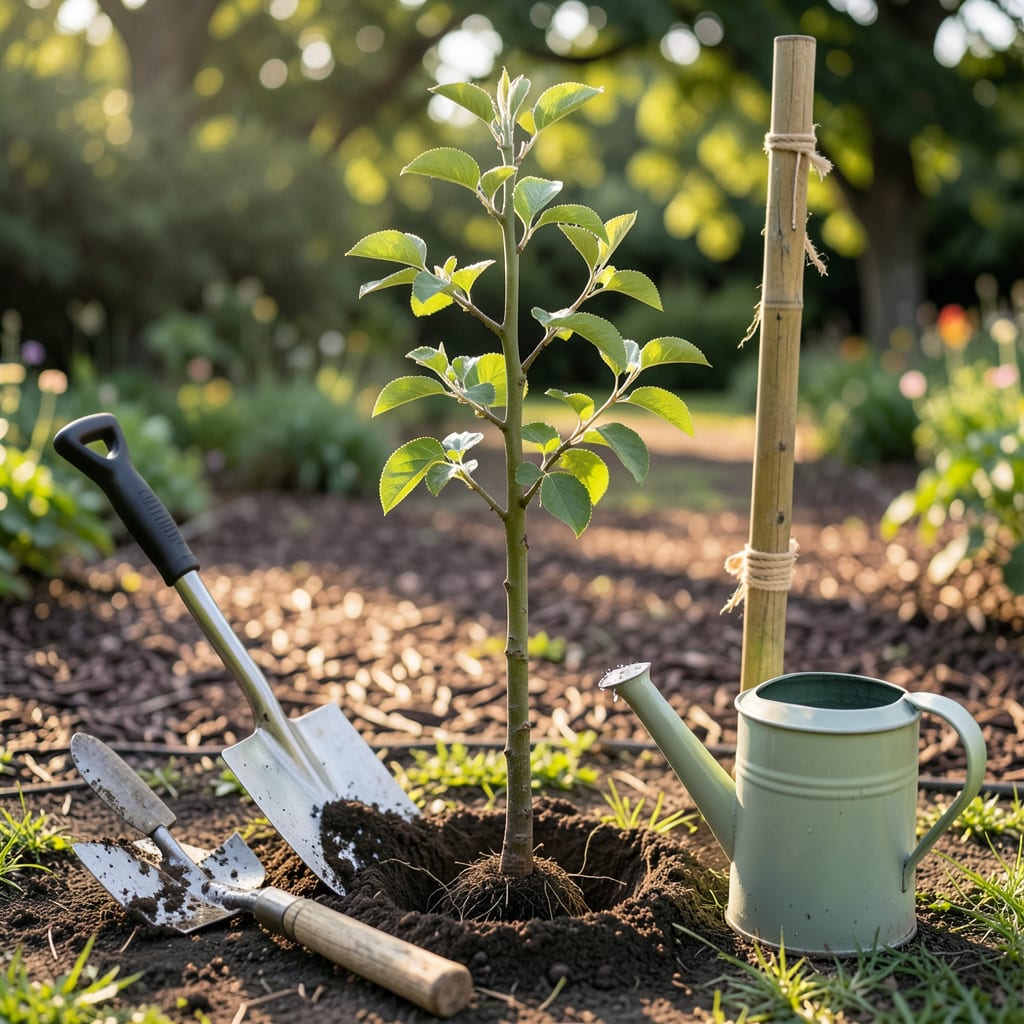
Timing is everything when it comes to planting 🍎 fruit trees in Oklahoma—get it wrong, and you might be setting yourself up for disappointment. Our state’s unpredictable swings from freezing winters to scorching summers mean your planting window isn’t just a suggestion; it’s the difference between thriving orchards and struggling saplings.
I’ve seen too many gardeners rush the process, only to watch their trees battle frost damage or drought stress. The good news? With the right zone-specific calendar, you can plant with confidence. Let’s break down exactly when to dig in—so your trees establish roots faster and reward you with fruit for years to come.
If you’ve ever wondered why your neighbor’s peach trees thrive while yours struggle, timing is likely the culprit. Oklahoma’s USDA zones 6a–8a create a patchwork of microclimates, meaning what works in Tulsa (Zone 7a) might flop in Lawton (Zone 8a). The secret? Planting 4–6 weeks before your last frost—but never when the ground is frozen or soggy.
For most of Oklahoma, that sweet spot falls between mid-February and early April. But here’s the kicker: bare-root trees need to go in during dormancy (late winter), while container-grown trees can wait until early spring. Miss this window, and your trees may battle transplant shock or fail to establish roots before summer’s scorching heat.
| USDA Zone | Key Cities | Last Frost Date | Ideal Planting Window | Best Tree Types |
|---|---|---|---|---|
| 6a–6b | Enid, Guymon, Woodward | April 1–15 | March 1–April 1 | Cold-hardy apples, pears, plums |
| 7a | Oklahoma City, Tulsa, Norman | March 20–April 5 | February 15–March 20 | Peaches, figs, persimmons, semi-dwarf apples |
| 7b–8a | Lawton, Ardmore, McAlester | March 10–25 | February 1–March 10 | Figs, pomegranates, early-blooming peaches |
Pro Tip: Soil temp should be above 40°F for root growth. Use a soil thermometer!
In Zone 6a (Panhandle), you’re playing a waiting game. Plant too early, and a late frost could kill tender new growth. Too late? Your tree won’t root deeply enough before summer droughts hit. I always recommend marking April 1 on your calendar as the absolute deadline for bare-root trees here.
Down in Zone 8a (southern Oklahoma), you’ve got more wiggle room. I’ve seen gardeners plant container-grown figs as late as early May with success—provided they’re watered religiously. But bare-root peaches? Stick to February to avoid bud break during late frosts. Trust me, I learned this the hard way after losing a ‘Redhaven’ peach to a surprise March freeze.
For Zone 7a (central Oklahoma), where most of us live, mid-February to mid-March is your golden window. This is when nurseries flood with bare-root stock, and the soil’s just warm enough to coax roots into action. If you’re planting container-grown trees, you can push it to early April—but don’t dawdle. Once temps hit 80°F, your tree’s stress levels (and your water bill) will skyrocket.
Here’s a rule I swear by: If the ground is workable but not muddy, it’s go time. Grab a handful of soil—if it crumbles but holds shape when squeezed, you’re good. If it’s frozen solid or sopping wet, wait a week and test again. Oklahoma’s clay-heavy soil is notorious for poor drainage, so I always amend planting holes with compost or pine bark fines to give roots a fighting chance.
Don’t forget about chill hours—the number of cold hours (32°F–45°F) your tree needs to break dormancy. Most apple and peach varieties require 600–900 hours, which northern Oklahoma delivers easily. But in the southern zones, stick to low-chill varieties like ‘Anna’ apple or ‘Midpride’ peach, or you’ll get lackluster blooms and sparse fruit.
If you’re tempted to plant in fall (October–November), proceed with caution. It can work for container-grown trees in Zones 7b–8a, but I only recommend it if you’re prepared to mulch heavily (4–6 inches of wood chips) and water weekly until the ground freezes. Fall-planted trees are more vulnerable to winter desiccation from Oklahoma’s dry winds, so monitor soil moisture religiously.
Finally, always call your local county extension office for hyper-local advice. They’ve got real-time soil temp data and can alert you to microclimate quirks—like how urban heat islands in OKC can push planting windows 10–14 days earlier than rural areas. I’ve saved countless trees by double-checking with these folks before digging the first hole.
Not all fruit trees are created equal in Oklahoma’s wild weather swings. I’ve lost count of how many gardeners I’ve met who planted a ‘Fuji’ apple in Zone 8a, only to watch it wither in the heat. The key? Matching tree varieties to your zone’s chill hours and drought tolerance.
Take peach trees, for example. Varieties like ‘Redhaven’ need 800+ chill hours, making them perfect for northern Oklahoma (Zone 6a). But in southern zones, you’ll want ‘Midpride’ or ‘LaFeliciana’, which thrive with just 400–500 hours. Plant them in late February to avoid late frosts nipping the buds.
| Tree Type | Best Varieties for OK | Chill Hours Needed | Ideal Planting Time | Drought Tolerance |
|---|---|---|---|---|
| Apple | ‘Jonathan’, ‘Kieffer’, ‘Anna’ | 500–900 | Feb 15–Mar 15 | High |
| Peach | ‘Redhaven’, ‘Midpride’, ‘LaFeliciana’ | 400–800 | Feb 1–Mar 1 | Moderate |
| Pear | ‘Kieffer’, ‘Orient’, ‘Moonglow’ | 400–600 | Feb 10–Mar 10 | High |
| Fig | ‘Celeste’, ‘Brown Turkey’, ‘Chicago Hardy’ | 100–200 | Mar 1–Apr 1 | Very High |
| Plum | ‘Methley’, ‘Santa Rosa’, ‘Ozark Premier’ | 300–600 | Feb 15–Mar 10 | High |
🌱 Pro Tip: Figs and pomegranates are your best bets for Zone 8a’s heat and drought. Plant them in well-draining soil to prevent root rot.
If you’re in eastern Oklahoma, where humidity and rainfall are higher, ‘Kieffer’ pears and ‘Santa Rosa’ plums will outperform drought-loving figs. But in the dry Panhandle, you’ll want to lean on ‘Ozark Premier’ plums or ‘Celeste’ figs, which laugh at our 100°F summers.
For container-grown trees, you’ve got a bit more flexibility. I’ve successfully planted dwarf ‘Anna’ apples in early May in pots, but they needed daily watering and afternoon shade to survive. Bare-root trees? Stick to the February–March window—no exceptions.
Avoid cherry trees unless you’re in Zone 6a and willing to babysit them through late frosts. Even then, ‘Stella’ is your only reliable self-pollinating option. And if you’re dreaming of citrus, stick to dwarf ‘Improved Meyer’ lemons in pots—bring them indoors when temps dip below 25°F.
Here’s my golden rule: When in doubt, go local. Oklahoma State University’s ‘Oklahoma’ peach and ‘Ponca’ blackberry were bred for our climate. Visit your county extension office for free variety recommendations tailored to your exact zip code. They’ll even test your soil’s pH—critical for avoiding blossom-end rot in figs or bitter pit in apples.
And don’t forget about pollination partners! Most apples and pears need a second variety nearby. I once planted a lone ‘Jonathan’ apple and got zero fruit for three years—until I added a ‘Golden Delicious’ 20 feet away. Now I’m drowning in applesauce (well, not literally—my kids handle that part). 🌳
You’ve got your planting dates locked in—but even the perfect timeline won’t save a tree if the ground isn’t ready. I’ve seen too many Oklahoma gardeners skip these pre-planting steps, only to watch their trees struggle with poor drainage or nutrient deficiencies. Let’s fix that before you dig.
First, test your soil. Oklahoma’s clay-heavy earth is notorious for compacting around roots. Grab a $10 soil test kit from your local extension office or hardware store. You’re aiming for a pH of 6.0–7.0—most fruit trees hate acidic soil. If your pH is off, amend with lime (to raise) or sulfur (to lower) at least 4–6 weeks before planting.
Next, check for drainage issues. Dig a 12-inch-deep hole, fill it with water, and time how long it takes to drain. If water sits for more than 2 hours, you’ve got a problem. Fix it by planting on a slight mound or installing a French drain nearby. I once lost a ‘Kieffer’ pear to root rot because I ignored this step—don’t make my mistake.
Don’t overlook pollination partners. Most fruit trees need a second variety within 50 feet for cross-pollination. For example, pair ‘Jonathan’ apples with ‘Golden Delicious’, or ‘Santa Rosa’ plums with ‘Methley’. If space is tight, choose self-pollinating varieties like ‘Stella’ cherries or ‘Brown Turkey’ figs.
Finally, gather your tools before digging. You’ll need: a sharp shovel, pruners (to trim damaged roots), mulch (wood chips or straw), and stakes (for windy areas). I also keep a 5-gallon bucket of water nearby to settle the soil as I backfill. Pro tip: Remove all grass in a 3-foot diameter around your planting site—it competes for water and nutrients. 🌱
Bare-root trees must go in during dormancy (late winter) before buds swell, while container-grown trees can be planted through early spring. Bare-root options are cheaper but require immediate planting, while container trees offer more flexibility with timing.
Fall planting works for container-grown trees in Zones 7b–8a, but avoid it in colder zones. If you try it, mulch heavily (4–6 inches) and water weekly until the ground freezes. Winter winds can desiccate young trees, so monitor moisture closely.
Grab a handful of soil—if it crumbles but holds shape when squeezed, it’s perfect. Avoid planting if it’s frozen solid or sopping wet. For clay-heavy soil, amend with compost or pine bark fines to improve drainage before digging.
Most apples and pears require a second variety within 50 feet for cross-pollination. Pair ‘Jonathan’ apples with ‘Golden Delicious’, or choose self-pollinating options like ‘Stella’ cherries or ‘Brown Turkey’ figs for small spaces.
Planting too deep! The root flare (where roots meet trunk) should sit 1–2 inches above soil level. Burying it causes girdling roots and stunted growth. Always dig the hole twice as wide as the root ball but no deeper.
