
Beautiful Plants For Your Interior
Beautiful Plants For Your Interior
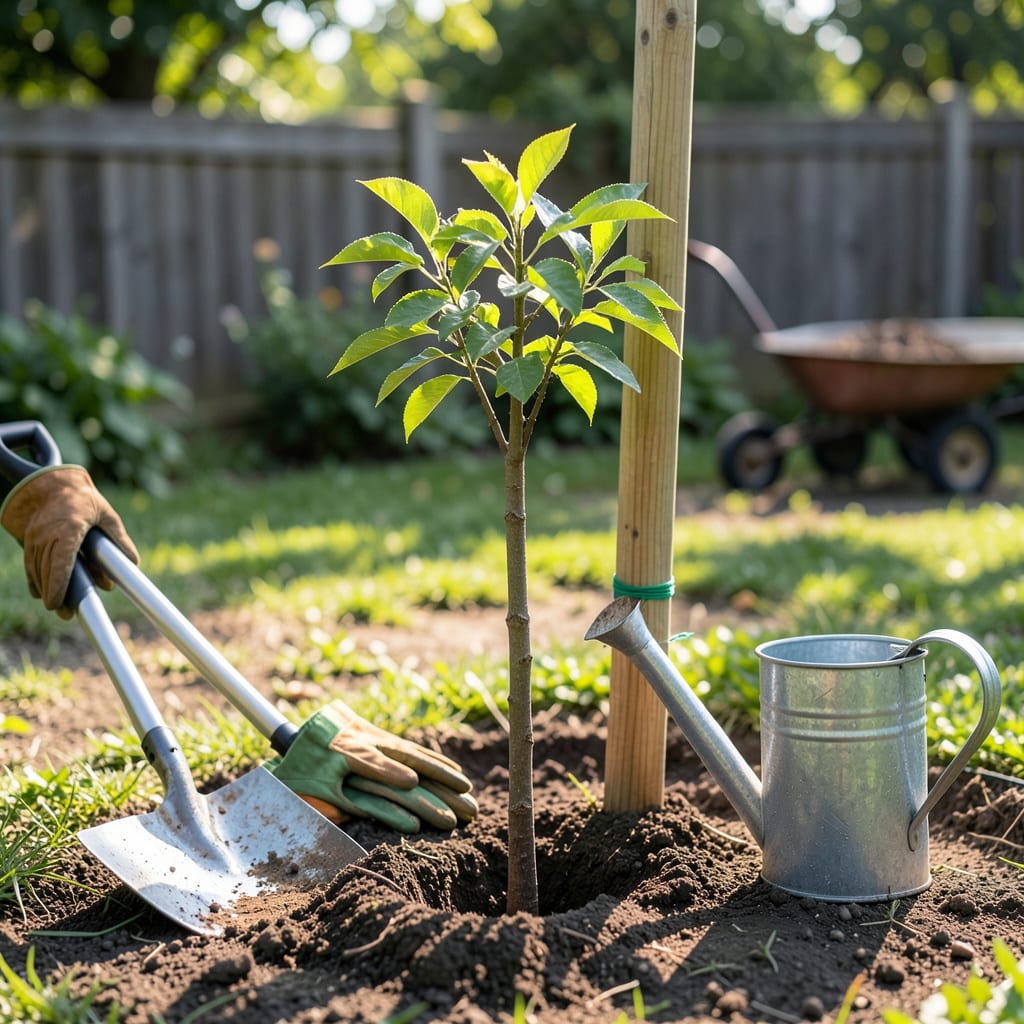
Georgia’s climate gives us a unique advantage for growing fruit trees—but timing your planting wrong could mean years of disappointment. Plant too early, and late frosts might wipe out your saplings. Wait too long, and the summer heat will stress young trees before they establish roots.
After studying USDA Zones 7a-9a and consulting with local growers, I’ve pinpointed the exact windows for planting everything from peaches to figs. Whether you’re in north Georgia’s cooler hills or the warmer coastal plains, this guide ensures your trees thrive from day one. Let’s get your orchard started right.
If you’ve ever wondered why your neighbor’s peach trees thrive while yours struggle, timing is likely the culprit. Georgia’s USDA Zones 7a-9a offer a long growing season, but nailing the planting window is critical. Plant too early, and a late frost could wipe out tender saplings. Wait too long, and summer’s 90°F+ heat stresses young roots.
Here’s the golden rule: Late winter to early spring (February–April) is ideal for most fruit trees, but subtropical varieties like figs and citrus prefer a warmer start. North Georgia’s Zone 7a gardeners should lean toward the later end of these windows, while coastal Zone 9a growers can plant earlier. Let’s break it down by tree type.
| Fruit Tree | Best Months | Good Months | USDA Zones | Key Notes |
|---|---|---|---|---|
| Peach 🌱 | Feb–Mar | Jan, Apr | 7a–8b | Needs 600+ chill hours. Avoid low spots where frost lingers. |
| Apple 🍎 | Jan–Feb | Dec, Mar | 7a–9a | Plant bare-root in dormancy. ‘Anna’ variety thrives in Zone 9a. |
| Pear 🪴 | Feb–Mar | Jan, Apr | 7a–8b | Tolerates wet soil better than peaches. ‘Orient’ resists fire blight. |
| Fig 🌿 | Mar–Apr | Feb, May | 7b–9a | Loves heat and humidity. ‘Celeste’ is cold-hardy to Zone 7a. |
| Citrus 🍊 | Apr–May | Mar, Jun | 8a–9a | Plant in containers north of Zone 8b. ‘Satsuma’ is most cold-hardy. |
| Plum 🌳 | Feb–Mar | Jan, Apr | 7a–8b | ‘Methley’ variety needs only 300 chill hours. |
Notice how peaches and apples prefer the coolest months? That’s because they need chill hours (temps between 32–45°F) to set fruit. In contrast, figs and citrus thrive with warmer soil, so I always wait until soil temps hit 60°F before planting them.
For North Georgia (Zones 7a–7b), aim to plant 4–6 weeks before the last frost (around April 15). This gives roots time to establish before summer. In Middle and South Georgia (Zones 8a–9a), you can push planting to early March since frosts are milder and less frequent.
Here’s a pro tip: Check your local frost dates using the UGA Weather Network. I’ve found that soil temperature (not just air temp) is the real secret. Use a soil thermometer—when it reads 50°F at 6″ deep, it’s go time for most fruit trees.
If you’re planting bare-root trees, soak the roots in water for 12–24 hours before planting. For container-grown trees, gently loosen the root ball to encourage outward growth. Both types benefit from a 2–3″ layer of mulch (wood chips or pine straw) to retain moisture and regulate soil temp.
Remember, fall planting (October–November) can work for apples and pears in Zone 7a, but I avoid it for peaches and plums—they’re more frost-sensitive. If you’re in Zone 9a, fall planting is riskier due to hurricane season and potential flooding.
One last thing: Water deeply after planting (1–2 gallons per tree) and keep the soil moist (but not soggy) for the first 3–4 weeks. This is when roots are establishing, and drought stress can be fatal. I like to use a drip irrigation system on a timer to maintain consistency.
By matching the tree type to the right month and your specific zone, you’ll set your orchard up for success. Next, let’s dive into the 3 critical mistakes I see Georgia gardeners make—and how to avoid them. 🌳
Even with perfect timing, some common mistakes can sabotage your fruit trees before they bear their first harvest. I’ve seen gardeners lose years of growth by overlooking simple details—like ignoring chill hours or planting in frost pockets. Let’s tackle the top three pitfalls and how to avoid them.
First up: skipping soil prep. Georgia’s clay-heavy soil can suffocate roots if not amended. I always mix in compost and sand to improve drainage, especially for peaches and plums, which hate wet feet. A quick soil test (available through UGA Extension) reveals pH and nutrient gaps.
Another big mistake? Choosing the wrong variety. Not all apple trees thrive in Georgia’s heat. I recommend ‘Anna’ or ‘Dorsett Golden’ for Zone 9a—they need only 200–300 chill hours. For peaches, ‘Elberta’ is a classic, but ‘Contender’ resists late frosts better in north Georgia.
Don’t forget about pollination partners! Many fruit trees need a second variety nearby to set fruit. For example, ‘Bartlett’ pears won’t produce alone—pair them with ‘Kieffer’. Always check the tag or nursery notes for pollination requirements before buying.
Finally, neglecting post-planting care is a silent killer. After planting, I stake young trees to prevent wind rock and apply a balanced fertilizer (10-10-10) six weeks later. Watch for pest signs like curled leaves (aphids) or holes in fruit (plum curculio). Early intervention saves trees!
By dodging these mistakes, you’ll give your trees the best shot at thriving. Next, let’s compare fast-growing vs. slow-maturing varieties to help you plan your orchard’s timeline. 🌿
Not all fruit trees reward your patience equally. Some, like figs and persimmons, start producing in just 1–2 years, while others, like apples and pears, may take 4–5 years to bear fruit. Knowing the difference helps you plan an orchard that balances quick wins with long-term investments.
In Georgia’s climate, I prioritize varieties that thrive in our humid summers and mild winters. Fast-growing trees like ‘Celeste’ figs or ‘Methley’ plums are perfect for gardeners who want fruit sooner. Meanwhile, slower-maturing trees like ‘Fuji’ apples or ‘Bosc’ pears require more patience but offer decades of harvests.
| Tree Type | Years to Fruit | Best for Georgia? | Key Traits | Top Varieties |
|---|---|---|---|---|
| Fig 🌿 | 1–2 years | ✅ Yes | Drought-tolerant, thrives in heat | ‘Celeste’, ‘Brown Turkey’ |
| Persimmon 🪴 | 2–3 years | ✅ Yes | Low-maintenance, pest-resistant | ‘Fuyu’, ‘Hachiya’ |
| Plum 🌳 | 2–4 years | ✅ Yes | Compact size, good for small yards | ‘Methley’, ‘Santa Rosa’ |
| Apple 🍎 | 4–6 years | ⚠️ Zone-dependent | Needs pollinator, long-lived | ‘Anna’, ‘Dorsett Golden’ |
| Pear 🪴 | 4–5 years | ✅ Yes | Fire blight resistant, reliable | ‘Orient’, ‘Kieffer’ |
| Peach 🌱 | 3–4 years | ✅ Yes | Short lifespan (10–15 years) | ‘Elberta’, ‘Contender’ |
If you’re eager for quick results, figs and persimmons are your best friends. They’re not just fast—they’re also drought-tolerant and low-fuss, making them ideal for Georgia’s unpredictable weather. I’ve seen ‘Celeste’ figs produce fruit in their first year when planted in spring with plenty of compost.
For those willing to wait, apples and pears offer decades of harvests once established. The key is choosing low-chill varieties like ‘Anna’ apples (only 200–300 hours) for Zone 9a, or ‘Fuji’ if you’re in cooler Zone 7a. Pears like ‘Orient’ are especially forgiving in Georgia’s clay soil and resist common diseases.
Don’t overlook semi-dwarf varieties if space is limited. Trees like ‘Bonanza’ peaches stay under 8–10 feet but still pump out full-sized fruit. They’re also easier to prune and harvest without a ladder. For urban gardeners, container-grown citrus (like ‘Improved Meyer’ lemon) can thrive on patios with winter protection.
My advice? Start with 1–2 fast-bearing trees for early rewards, then add slower varieties as your confidence grows. This way, you’ll have fruit every year while building a legacy orchard. And remember: even slow-maturing trees often live 20+ years, so the wait pays off in spades. 🌳
Most fruit trees thrive when soil reaches 50°F at 6″ deep. Use a soil thermometer to check—this ensures roots can establish without frost damage. For subtropical trees like figs, wait until soil hits 60°F for best results.
Fall planting works for apples and pears in Zone 7a, but avoid it for peaches and plums—they’re frost-sensitive. In Zone 9a, fall risks hurricane flooding. If planting in fall, aim for October–November and mulch heavily.
Water deeply with 1–2 gallons per tree right after planting, then keep soil moist (not soggy) for the first 3–4 weeks. A drip irrigation system on a timer helps maintain consistency during this critical root-establishment phase.
Mix in compost and sand to improve drainage, especially for peaches and plums. A soil test (via UGA Extension) will reveal pH and nutrient gaps. Skip this step, and roots may suffocate.
Opt for semi-dwarf varieties like ‘Bonanza’ peaches (8–10 feet tall) or container-grown citrus like ‘Improved Meyer’ lemon. Both stay compact but produce full-sized fruit, perfect for patios or tight spaces.
