
Beautiful Plants For Your Interior
Beautiful Plants For Your Interior
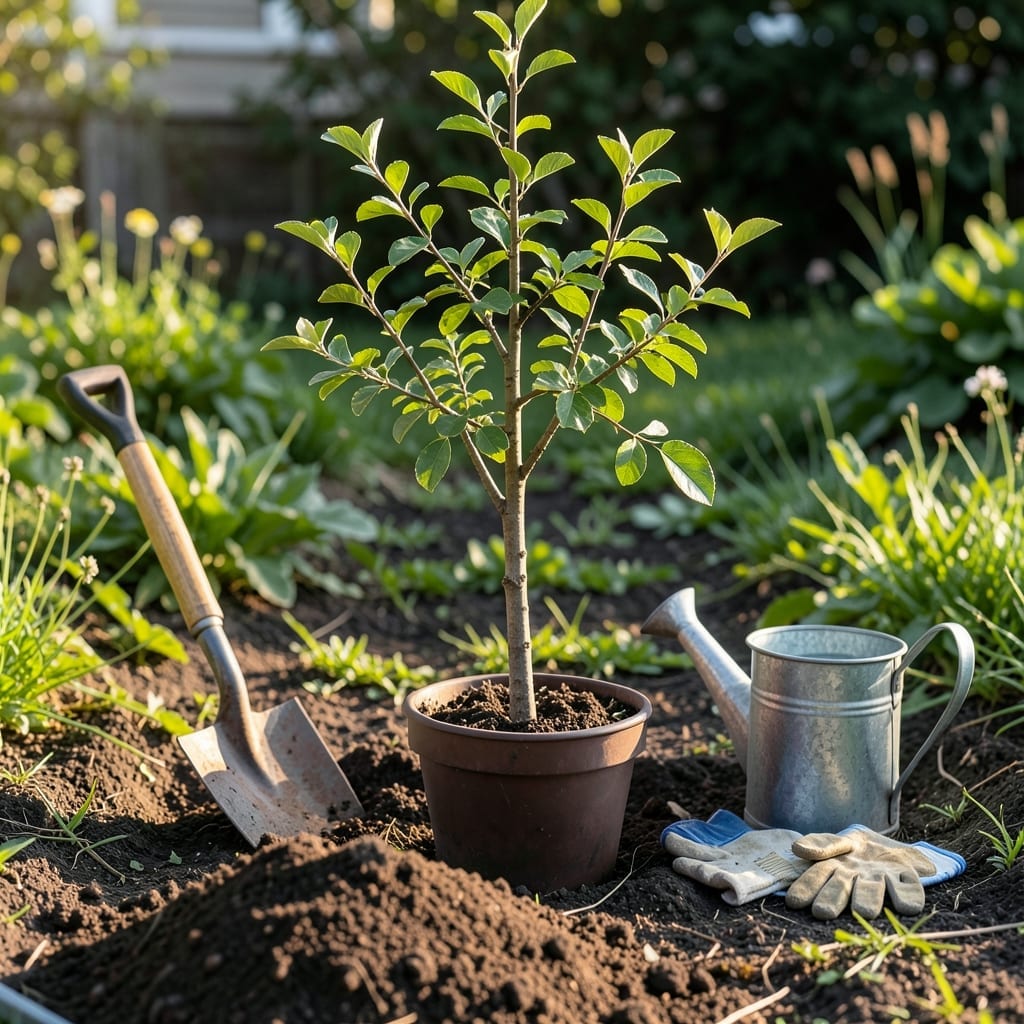
Timing can make or break your orchard in Arizona’s unforgiving climate. Plant your 🌳 Fruit Trees at the wrong time, and they might never recover from the stress.
Our state’s extreme heat and unique growing zones demand precision. Whether you’re in the low desert or high desert, there’s a small window that gives your trees the best shot at thriving.
I’ve seen too many gardeners lose young trees to poor timing. The good news? With the right approach, you can avoid those costly mistakes and set your orchard up for success.
Let me show you exactly when to plant and why winter is the game-changer for Arizona’s Fruit Trees.
Planting fruit trees in Arizona requires careful timing due to its unique climate zones. The state’s low desert and high desert regions have different ideal windows for planting.
In most areas, late fall to early spring is best, allowing roots to establish before the intense summer heat arrives. This timing helps trees build resilience against Arizona’s extreme conditions.
| Fruit Type | Ideal Planting Months | Key Considerations |
|---|---|---|
| Citrus | December–February | Avoid frost risk in high desert |
| Stone Fruit | January–March | Chill hours needed for fruiting |
| Deciduous | November–February | Dormant season planting |
| Fig | Late Winter | Heat-tolerant once established |
For citrus trees, planting in December through February ensures they avoid the hottest months while still getting enough warmth to thrive. These trees are sensitive to frost, so timing is critical in higher elevations.
Stone fruit trees like peaches and plums need chill hours to produce fruit. Plant them in January or February to meet this requirement before spring growth begins.
Deciduous trees, such as apples and pears, do best when planted during their dormant season. This means November through February is ideal, giving them time to settle in before spring.
In Arizona’s low desert, the planting window is slightly longer due to milder winters. However, always avoid planting during peak summer when temperatures exceed 100°F regularly.
For high desert regions, watch for late frosts that can damage new plantings. Waiting until late February or March may be safer in these areas.
Microclimates also play a role. If your area has warmer pockets, you might extend the planting window slightly. But always prioritize cooler months for the best results.
Finally, remember that soil preparation is just as important as timing. Ensure your soil is well-draining and enriched with organic matter before planting. 🌳
Planting fruit trees in Arizona’s scorching summers requires smart preparation. I always recommend early morning planting to reduce heat stress on young trees. The key is giving roots time to establish before the intense midday sun hits.
Selecting drought-tolerant varieties like pomegranate or fig trees can make a huge difference in survival rates. These trees handle Arizona’s dry heat better than most, but even they need extra care during the first year.
Soil preparation is non-negotiable in our desert climate. I always amend planting holes with compost and native soil to improve water retention. Remember, our alkaline soil often needs sulfur additions for acid-loving trees like peaches.
Irrigation systems are a game-changer. I prefer drip irrigation for precise water delivery directly to the root zone. This prevents water waste and ensures deep root growth, which is critical for heat tolerance.
Don’t forget about wind protection. Arizona’s dry winds can desiccate young trees quickly. I use burlap screens or plant in sheltered locations when possible. Even mature trees benefit from windbreaks during our infamous monsoon season.
Finally, monitor your trees closely during the first two weeks after planting. Look for signs of heat stress like wilting or leaf scorch. Adjust your care routine as needed—our desert conditions can change rapidly. ✂️