
Beautiful Plants For Your Interior
Beautiful Plants For Your Interior
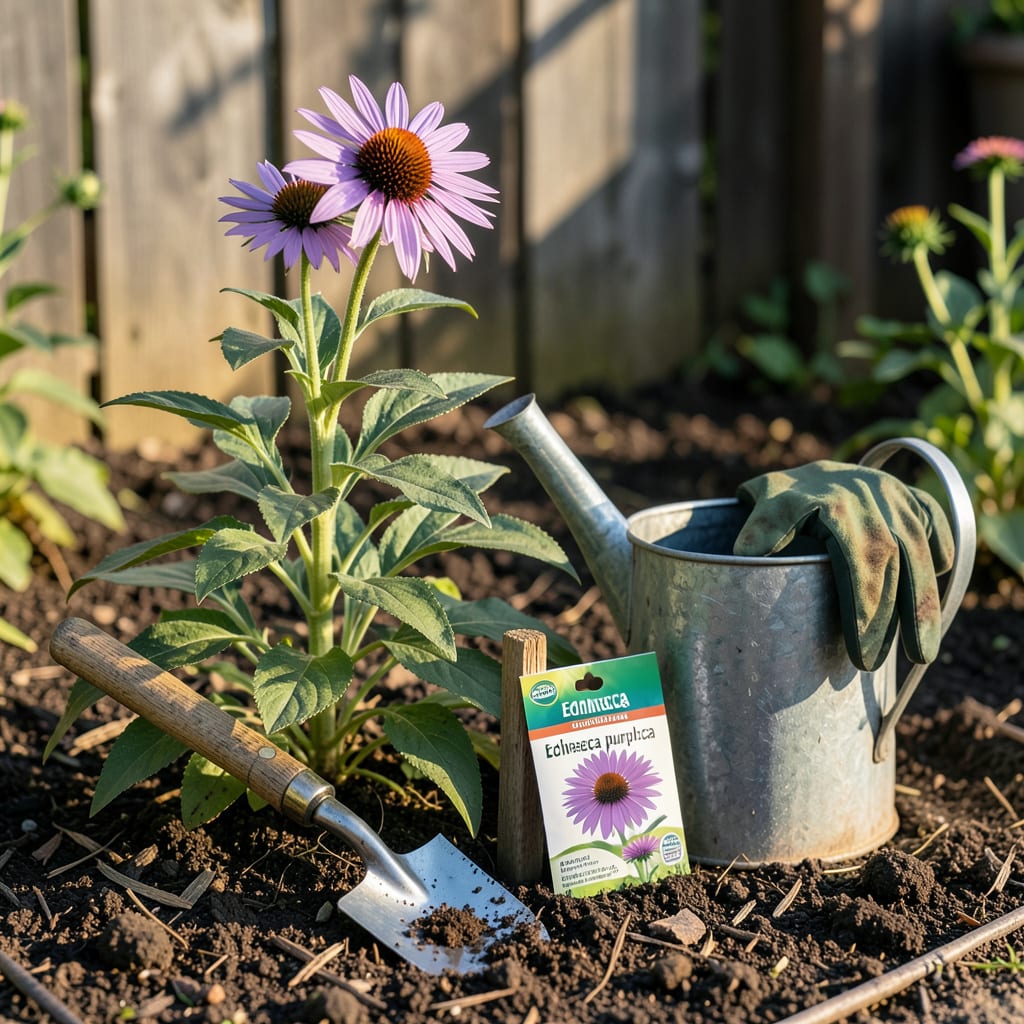
Timing can make or break your Virginia garden—plant those 🌱 Flowers too early, and a late frost might ruin months of work. Too late? You’ll miss the prime growing window for vibrant summer blooms.
From the coastal warmth of Zone 8a to the cooler mountain air of Zone 6a, Virginia’s climate demands smart planning. I’ll show you exactly when to get your hands dirty for a garden that bursts with color—no guesswork required.
Virginia’s diverse climate means your flower planting schedule depends heavily on where you live. From the cooler mountains of Zone 6a to the warmer coastal plains of Zone 8a, timing varies by weeks. I’ll break down the key differences so you can plant with confidence.
First, know your last frost date. In Zone 6a (like Roanoke), it’s around May 1, while Zone 8a (Norfolk) sees frost end by March 28. These dates dictate when to plant frost-sensitive annuals like petunias or hardy perennials like coneflowers.
| Zone | Last Frost | Spring Planting Window | Fall Planting Window |
|---|---|---|---|
| 6a | May 1 | Mid-May to June | Late Aug–Sept |
| 7a | April 15 | Late April–May | Sept–Oct |
| 8a | March 28 | March–April | Oct–Nov |
*Adjust for microclimates: Urban areas may be 1–2 weeks earlier.
For spring-blooming bulbs like tulips and daffodils, plant in fall—6 weeks before first frost. In Zone 6a, that’s early October; Zone 8a gardeners can wait until November. These bulbs need cold stratification to thrive, so timing matters!
Annual flowers like marigolds and zinnias love warmth. Wait until soil temps hit 60°F—usually 2 weeks after last frost. Use a soil thermometer for precision. In Zone 8a, you might plant as early as late March, while Zone 6a gardeners should wait until mid-May.
Perennials and native wildflowers (like black-eyed Susans) are more forgiving. Plant them in early spring or fall to reduce transplant shock. Fall planting gives roots time to establish before winter, leading to stronger blooms next year.
Don’t forget elevation! Higher areas (like the Blue Ridge Mountains) can be 5–10°F cooler than valleys. If you’re above 2,000 ft, delay planting by 1–2 weeks to avoid late frosts.
Urban gardeners in Richmond or Arlington benefit from the heat island effect. Buildings and pavement retain warmth, letting you plant 7–10 days earlier than rural areas in the same zone. Monitor local weather for unexpected cold snaps!
For succession planting, stagger your flower seeds every 2–3 weeks. This ensures continuous blooms from spring to fall. Try cosmos, sunflowers, or snapdragons—they’re perfect for Virginia’s long growing season.
Still unsure? Check with your local Virginia Cooperative Extension office. They offer free soil tests and hyper-local advice. Remember, even within zones, microclimates (like south-facing slopes) can shift your planting window by weeks! 🌱
Virginia’s long growing season lets you enjoy colorful blooms from early spring to late fall—if you plant at the right times. I’ve broken down the best flowers to plant each month, tailored to Virginia’s climate zones. Follow this calendar for nonstop garden beauty!
Start by marking your last frost date on the calendar. In Zone 6a, that’s around May 1, while Zone 8a gardeners can begin planting as early as late March. Use these windows to schedule your flower plantings for maximum impact.
*Adjust planting dates by 1-2 weeks for microclimates or elevation changes.
For spring bulbs, October is prime time in most zones. Plant tulips and daffodils 6 weeks before first frost—that’s early October in Zone 6a and late November in Zone 8a. These need cold stratification to bloom properly next spring.
Summer annuals thrive when planted after soil warms to 60°F. In Zone 8a, that’s as early as late March for heat-lovers like vinca and portulaca. Cooler zones should wait until mid-May to avoid frost damage to tender plants.
Don’t overlook native Virginia wildflowers! Black-eyed Susans and butterfly weed establish best when planted in early spring or fall. These drought-tolerant beauties support local pollinators and require less maintenance than hybrids.
For continuous blooms, practice succession planting. Sow fast-growing annuals like cosmos or nasturtiums every 2-3 weeks through July. This technique ensures fresh flowers as earlier plantings fade, extending your garden’s color show.
Even experienced gardeners can stumble when planting flowers in Virginia’s unpredictable climate. I’ve seen beautiful blooms ruined by simple oversights—like planting too early or ignoring our humid summers. Let’s fix these mistakes before they wreck your garden!
First, never assume Virginia’s last frost date is set in stone. A late cold snap in Zone 6a can wipe out tender annuals planted in early May. Always check the 10-day forecast before setting out frost-sensitive flowers like petunias or impatiens.
Our clay-heavy soil is another silent killer. It compacts easily, drowning roots and stunting growth. Before planting, work in 3-4 inches of compost or use raised beds filled with a 50/50 mix of topsoil and organic matter. This is non-negotiable for flowers like dahlias or zinnias!
Virginia’s humid summers trick gardeners into overwatering. Most flowers need just 1 inch of water weekly (rain + irrigation). Use a rain gauge to track moisture, and water deeply but infrequently to encourage strong root systems. Soaker hoses work better than sprinklers in our sticky air.
Here’s a pro tip: Mulch is your summer savior. Apply 2-3 inches of organic mulch (like shredded bark or straw) around plants to keep roots cool and conserve moisture. This also prevents weed competition, which steals nutrients from your blooms. Just keep mulch 1 inch away from stems to avoid rot.
Finally, don’t overlook native alternatives to finicky hybrids. Virginia’s own black-eyed Susans, butterfly weed, and purple coneflowers thrive with minimal care. They’re drought-tolerant once established and attract pollinators like crazy. Swap high-maintenance annuals for these locals to cut your workload in half! 🌿
Use the USDA Plant Hardiness Zone Map and enter your ZIP code. Virginia spans Zones 6a-8a, with mountain areas (like Roanoke) in 6a and coastal regions (Norfolk) in 8a. Your zone determines frost dates and ideal planting windows.
Opt for heat-tolerant annuals like zinnias, portulaca, or vinca. Water deeply at planting and use mulch to protect roots. Avoid cool-season flowers (pansies, snapdragons) which struggle in Virginia’s 90°F+ summers.
Plant spring-blooming bulbs (tulips, daffodils) 6 weeks before first frost. In Zone 6a, aim for early October; Zone 8a gardeners have until late November. Bulbs need cold stratification to bloom properly.
Virginia’s clay soil drains poorly, causing root suffocation. Amend beds with 3-4 inches of compost or plant in raised beds. Overwatering in humidity is another culprit—stick to 1 inch weekly (including rain).
Yes! Native wildflowers like black-eyed Susans and butterfly weed thrive with minimal care. They’re drought-tolerant, pest-resistant, and support local pollinators. Swap high-maintenance annuals for these to cut watering and fertilizing needs.
