
Beautiful Plants For Your Interior
Beautiful Plants For Your Interior
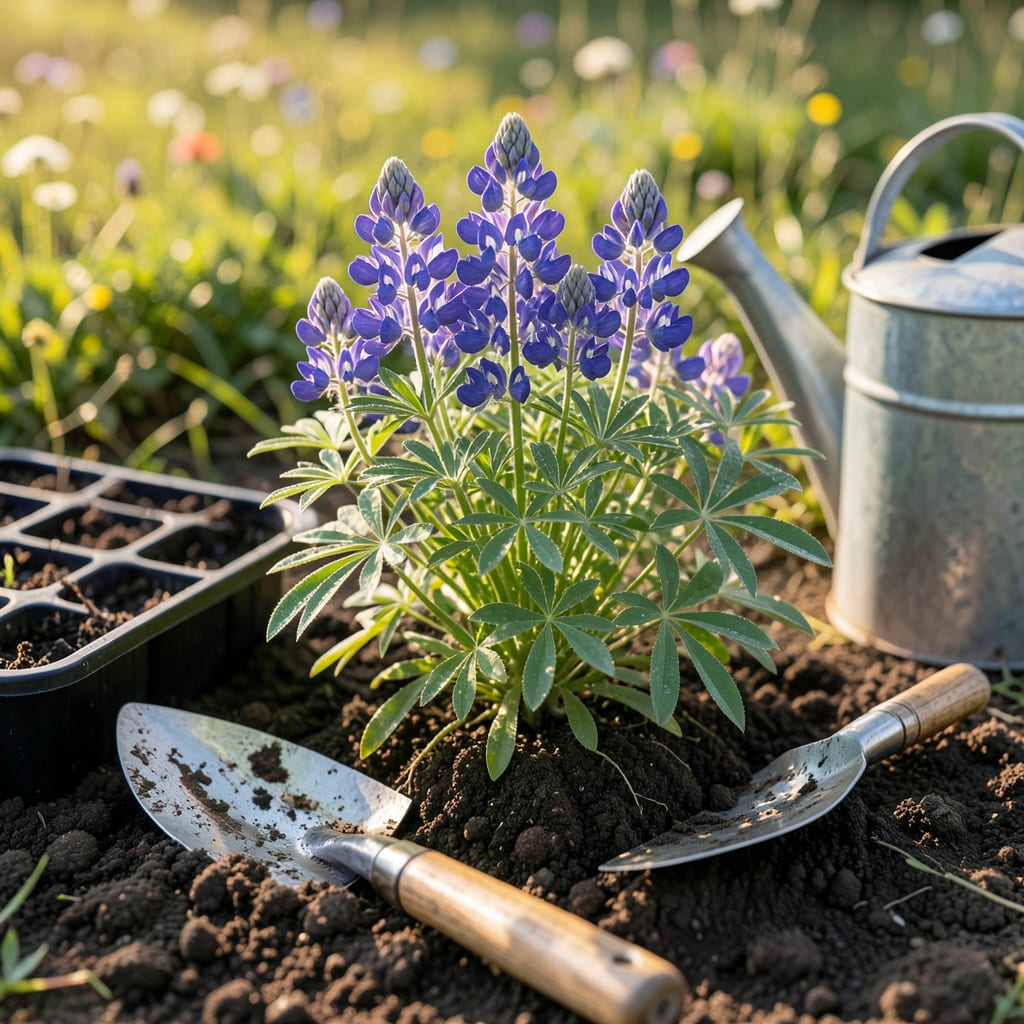
Texas gardeners know the struggle: one day it’s 95°F with drought warnings, the next you’re scrambling to protect tender blooms from a surprise freeze. The difference between thriving flowers and a sad, wilted mess often comes down to one critical factor—timing.
Whether you’re dreaming of fields of 🌼 Bluebonnets in Central Texas or trying to keep zinnias alive through Houston’s humidity, I’ll break down the exact planting windows for your region. No more guessing games—just a clear, season-by-season roadmap to perfect blooms all year long.
If you’ve ever watched your carefully planted petunias crisp up in a July heatwave or seen pansies turn to mush after an unexpected freeze, you know Texas doesn’t play by normal gardening rules. The Lone Star State spans four distinct regions—each with its own microclimate quirks that can make or break your flower beds.
From the Panhandle’s freezing winters to the Gulf Coast’s tropical humidity, timing varies wildly. I’ll walk you through the ideal planting windows for annuals, perennials, and wildflowers, plus those critical frost dates that Texas gardeners must memorize. Let’s start with a quick regional cheat sheet:
| Region | USDA Zones | Spring Planting | Fall Planting | Key Challenge |
|---|---|---|---|---|
| North Texas (Dallas, Fort Worth) |
7b-8a | March-April After March 15 frost |
Sept-Oct Before Nov 15 frost |
Clay soil + late freezes |
| Central Texas (Austin, San Antonio) |
8a-8b | Feb-March Bluebonnet season! |
Oct-Nov Perfect for wildflowers |
Limestone soil + flash droughts |
| South Texas (Houston, Corpus) |
9a-9b | Jan-Feb Early start possible |
Nov-Dec Mild winters = long season |
Humidity + hurricane rains |
| West Texas (El Paso, Lubbock) |
7a-8a | April-May Wait for soil to warm |
Sept Short fall window |
Extreme heat + alkaline soil |
Notice how South Texas gardeners can start planting in January, while West Texas friends shouldn’t even think about tender annuals until April? That’s why knowing your exact region matters. For example, those iconic Texas Bluebonnets 🌼 need to be sown in October-November in Central Texas to bloom by spring.
Now let’s talk seasonal strategies. Spring isn’t just one planting window in Texas—it’s a rolling start based on your location. Coastal areas can plant pansies and snapdragons as early as December, while North Texas gardeners should wait until St. Patrick’s Day (March 17) for most annuals.
The fall planting season is where Texas gardeners really shine. While northern states are putting their gardens to bed, we’re just getting started! October is prime time for planting cool-season annuals like calendulas, stock, and sweet alyssum. These will thrive through winter and often rebloom in early spring.
For summer survivors, focus on heat-loving annuals like zinnias, portulaca, and vinca. These can handle 100°F+ temps if planted after soil temperatures hit 70°F—usually late April in most regions. Pro tip: Water deeply at dawn to prevent evaporation.
Don’t forget about perennials and natives! Plants like blackfoot daisy, salvia, and lantana establish best when planted in early fall. This gives roots time to grow before summer stress hits. I’ve found that fall-planted perennials often outperform spring-planted ones by their second year.
One critical Texas-specific tip: Watch the soil temperature, not just air temps. Many seeds need soil above 60°F to germinate. Use a $10 soil thermometer to take the guesswork out of planting. And always—always—check your local frost dates (they vary by up to a month across the state!).
Remember that microclimates matter too. Urban areas like Downtown Austin can be 5-10°F warmer than surrounding rural areas, allowing for earlier planting. Conversely, low-lying areas may collect cold air and frost when nearby hills stay frost-free. When in doubt, ask your county extension office for hyper-local advice.
For the most foolproof results, I recommend starting with Texas-tough natives like winecup, standing cypress, or firewheel. These have evolved with our crazy weather and will forgive minor timing mistakes. Once you’ve mastered these, you can experiment with more finicky imports—just be ready with shade cloth for those 105°F afternoons
When the thermometer hits 100°F+ and your lawn starts crunching underfoot, you need flowers that laugh at heatwaves. After years of battling Texas summers, I’ve found these five indestructible bloomers that keep coloring my garden when everything else surrenders.
The secret? These plants don’t just tolerate heat—they require it to perform their best. From the rocky hills of West Texas to Houston’s steamy sidewalks, these flowers will give you nonstop color from June through September. Here are my top picks:
Pro Tip: Plant these in well-draining soil and water deeply 2x/week (early morning only). Mulch with 2-3 inches of shredded bark to keep roots cool.
I’ve had portulaca bloom through 110°F weeks in El Paso with zero extra care—just plant and forget! For container gardens, vinca and lantana are my go-tos because they handle the intense heat radiating from pots better than most plants.
Want to extend their bloom power? Try this Texas-tested trick: Apply a 1-inch layer of compost around the base in early summer, then top with mulch. This retains moisture while feeding roots slowly. Avoid high-nitrogen fertilizers—they’ll give you leafy plants with fewer flowers.
Remember that even heat-lovers need afternoon shade in the hottest zones (like West Texas). A simple 30% shade cloth from 2-6 PM can prevent sun scorch on petals. I use old window screens propped up on stakes for a budget-friendly solution.
For cut flower arrangements, zinnias and gaillardia are stars—they last 7-10 days in a vase if cut in early morning. Just be sure to sear the stems (dip in boiling water for 10 seconds) to help them absorb water better in our dry climate.
If you’re new to Texas gardening, start with just one or two of these heat-lovers your first year. Observe how they perform in your specific microclimate—you might find that lantana thrives where your neighbor swears by vinca. That’s the joy of Texas gardening: even the “rules” have exceptions! 🌵
Even experienced gardeners can sabotage their Texas flower beds by making simple but costly mistakes. After helping dozens of frustrated neighbors revive their wilted gardens, I’ve identified the most common pitfalls—and how to avoid them. The good news? Most are easy fixes once you know what to watch for.
Texas gardening isn’t like gardening in milder climates. Our alkaline soil, intense heat, and unpredictable freezes demand special attention. Let me walk you through the top 5 mistakes I see most often—and how to sidestep them for healthier, happier blooms.
1. Ignoring Soil pH – Texas soil is naturally alkaline (pH 7.5-8.5). Acid-loving plants like azaleas will struggle unless you amend with sulfur or peat moss.
2. Planting Too Early – That warm February day isn’t spring! Wait until after your last frost date (March 15 for Dallas, Feb 15 for Houston).
3. Overwatering Clay Soil – Our heavy clay holds moisture, leading to root rot. Water deeply but less often—1 inch per week max for most flowers.
4. Skipping Mulch – Bare soil in Texas = baked roots. Use 3 inches of organic mulch to retain moisture and regulate temperature.
5. Choosing Wrong Varieties – Tropical impatiens melt in our heat. Stick with Texas-tough natives like lantana, salvia, and blackfoot daisy.
One mistake I made for years was watering at night to “beat the heat.” Big error! Evening watering creates the perfect conditions for fungal diseases like powdery mildew. Always water in the early morning (before 10 AM) so leaves dry quickly. Your plants will thank you with healthier growth and more blooms.
Another common issue is underestimating our wind. West Texas gardeners know this well—those 30 mph gusts can shred tender petals and topple tall flowers. Solution? Plant windbreaks like native grasses or install low fencing. For containers, use heavier pots or group them together to prevent tipping.
Don’t forget about soil preparation—this is where most Texas gardeners cut corners. Our native soils are often compacted clay or rocky caliche. Before planting, work in 4-6 inches of compost and consider raised beds if drainage is poor. I’ve seen gardens transform overnight just from this one step! 🌱
For iconic Texas wildflowers, October-November is ideal in Central Texas. This timing allows roots to establish before winter and ensures spring blooms. In South Texas, you can plant as late as December, while North Texas gardeners should aim for September-October.
Resist the urge! Even heat-loving flowers need warm soil. Wait until late April when soil temps hit 70°F. Planting zinnias or portulaca too early often leads to stunted growth. Use a soil thermometer to take the guesswork out of timing.
Containers dry out faster and heat up quicker than ground soil. Plant 2-3 weeks later in spring, and choose larger pots (minimum 12 inches wide) to prevent root baking. Morning sun with afternoon shade works best for most potted flowers.
Ignoring microclimates and soil prep. A Dallas garden might have 5°F temperature swings within a mile! Always amend our alkaline clay soil with compost. Skipping this step often leads to poor drainage and nutrient lockout.
While no flower blooms 365 days, some come close! Lantana, salvia, and plumbago offer nearly continuous color with proper deadheading. In South Texas, bougainvillea and hibiscus can bloom 10+ months with frost protection.
