
Beautiful Plants For Your Interior
Beautiful Plants For Your Interior
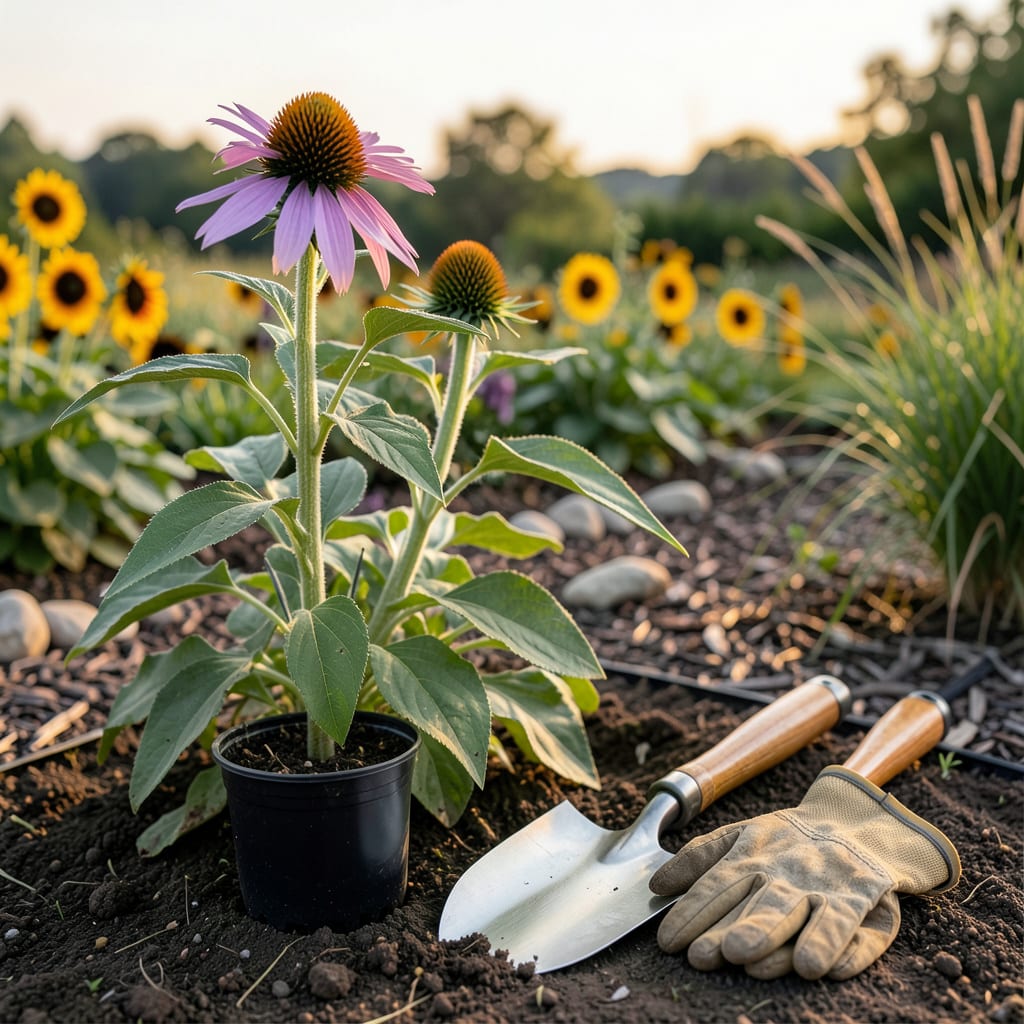
Timing can make or break your Tennessee garden—plant those 🌱 Flowers too early, and a late frost might wipe out your hard work. Wait too long, and the summer heat could leave them struggling to thrive.
From Nashville’s mild springs to the cooler mountain air of East Tennessee, I’ll break down the exact windows you need. Whether you’re planting tulips in fall or zinnias after the last frost, this guide ensures your garden stays vibrant all season long.
If you’ve ever wondered why your neighbor’s petunias thrive while yours struggle, the answer likely lies in Tennessee’s diverse planting zones. Our state spans USDA zones 5b to 8a, meaning what works in Memphis might flop in the Smoky Mountains. Let’s break down these zones so you can plant with confidence.
First, check your last frost date. In West Tennessee (Zone 7-8a), you’re typically safe after March 15–April 1. But in East Tennessee (Zone 5b-6b), wait until April 15–May 1 to avoid late frosts. These dates are your golden ticket to timing annuals, perennials, and bulbs just right.
| Region | USDA Zone | Last Frost | First Frost | Best Planting Window |
|---|---|---|---|---|
| West TN (Memphis) | 7a–8a | March 15 | November 15 | Early March–April |
| Middle TN (Nashville) | 6b–7a | April 1 | October 30 | Mid-April–May |
| East TN (Knoxville) | 5b–6b | April 15 | October 15 | Late April–Early May |
💡 Pro Tip: Urban areas like Nashville may have warmer microclimates—adjust planting dates 1–2 weeks earlier.
For spring-blooming bulbs like tulips and daffodils, plant in fall (October–November)—they need 12–14 weeks of chilling to thrive. In Zone 8a, you might even get away with planting them in late December during mild winters.
Annual flowers such as marigolds, zinnias, and impatiens should go in after your last frost. I always wait until soil temps hit 60°F—use a soil thermometer for accuracy. In East Tennessee, that might mean waiting until early May, while West Tennessee gardeners can start in late March.
Don’t overlook perennials like coneflowers and black-eyed Susans. These tough plants can handle early spring or fall planting, but I recommend September–October for strongest roots before winter. This timing gives them a head start for explosive spring growth.
If you’re in the Tennessee Valley, watch for summer heatwaves. Flowers like portulaca and vinca thrive here because they love heat and drought. For cooler mountain regions, stick with pansies and snapdragons—they handle chilly nights better than most.
Remember, soil prep matters! Tennessee’s clay-heavy soil can be tough on roots. I always amend with compost and test pH levels (aim for 6.0–6.5) before planting. A little extra effort here means bigger blooms and healthier plants all season.
Still unsure? When in doubt, visit your local extension office—they often have hyper-local frost maps and soil reports. Or try a small test plot with a few plants to gauge your garden’s unique conditions. Happy planting! 🌷
Planning your Tennessee flower garden starts with knowing which blooms thrive in each season. I’ve found that breaking it down month-by-month takes the guesswork out of timing. Whether you’re in Memphis’ heat or the cooler Smokies, this calendar keeps your garden bursting with color.
Remember, frost dates vary—always cross-check your local last frost before planting. In West Tennessee, you’ll start earlier than gardeners in East Tennessee, but the key is matching flower types to your specific microclimate. Let’s dig into the best months for planting.
⏰ Pro Tip: Use a soil thermometer—50°F+ is safe for hardy annuals; 60°F+ for tender plants.
For spring bulbs, October–November is prime time. I plant daffodils and hyacinths in well-draining soil with a sprinkle of bone meal for extra nutrients. In warmer zones (7-8a), you can plant bulbs as late as early December if the ground stays workable.
Summer planting requires strategy. I swear by drought-tolerant varieties like lantana and gaillardia for Middle Tennessee’s heat. If you’re in East Tennessee, opt for shade-loving impatiens or begonias—they’ll thrive under your cooler, tree-covered landscapes.
Don’t forget fall perennials! Sedum ‘Autumn Joy’ and Russian sage add late-season color and support pollinators. Plant these in early September so roots establish before winter. I like to pair them with ornamental grasses for texture.
Winter prep starts in late October. After the first frost, cut back dead foliage but leave seed heads for birds. Apply 2–3 inches of mulch around perennials to insulate roots. In Zone 8a, you might even sneak in winter jasmines for early blooms.
Need a foolproof trick? Keep a garden journal to track what thrives (and what doesn’t) in your yard. Over time, you’ll spot patterns—like how my Memphis zinnias always outperform my Knoxville snapdragons—and adjust your plant list accordingly. Happy gardening! 🌻
Even experienced gardeners can stumble when planting flowers in Tennessee. I’ve seen beautiful blooms wilt from simple oversights—like ignoring soil prep or misjudging frost dates. Let’s tackle the most common pitfalls so your garden thrives instead of struggles.
First up: overwatering in humid summers. Tennessee’s high humidity means soil stays moist longer than you’d expect. I’ve drowned more than a few petunias and impatiens by sticking to a rigid schedule. Instead, check soil moisture 2 inches deep—if it’s damp, skip watering for a day.
💡 Quick Fix: Keep a garden log to track what works (and what doesn’t) in your specific microclimate.
Another big mistake? Planting non-native invasives. I once planted butterfly bush thinking it’d help pollinators—only to learn it crowds out native species. Now, I opt for TN-friendly alternatives like milkweed or bee balm, which support local ecosystems without taking over.
Don’t overlook soil preparation. Tennessee’s clay soil can suffocate roots if not amended. I always mix in compost and perlite before planting. For bulbs like tulips, add sand or grit to improve drainage and prevent rot. A little prep work saves headaches later.
Finally, timing errors trip up even seasoned gardeners. Planting tender annuals (like coleus or begonias) too early risks frost damage. Conversely, waiting too long to plant fall bulbs (like daffodils) means they won’t chill enough to bloom. I use a planting app to track frost dates and soil temps—it’s a game-changer!
Need an easy win? Start small with a test plot of hardy flowers like marigolds or zinnias. Observe how they perform in your yard’s conditions, then expand. And if all else fails, ask your local nursery—they know which varieties thrive in your exact corner of Tennessee. Happy gardening! 🌼
West Tennessee (Zones 7-8a) has earlier last frosts (March 15–April 1) and longer growing seasons. East Tennessee (Zones 5b-6b) stays cooler, with frosts lasting until mid-April. Always adjust planting dates based on your exact zone.
Yes, but choose heat-tolerant varieties like vinca, lantana, or portulaca. Avoid planting during 90°F+ heatwaves—opt for early morning or late afternoon. Keep soil moist for the first 2 weeks to help roots establish.
Use a soil thermometer—most annuals need 60°F+ to thrive. In West TN, this often happens by late March; East TN may not reach it until early May. Cool-season flowers (like pansies) tolerate 50°F+ soil.
Ignoring Tennessee’s clay soil! It drains poorly and can suffocate roots. Always amend with compost and test pH (aim for 6.0–6.5). Skipping this step often leads to stunted growth or root rot, even with perfect timing.
Few true year-round bloomers exist, but pansies (fall/winter) and black-eyed Susans (summer/fall) offer long seasons. For continuous color, plan succession planting—replace spring blooms with summer annuals, then add fall mums.
