
Beautiful Plants For Your Interior
Beautiful Plants For Your Interior
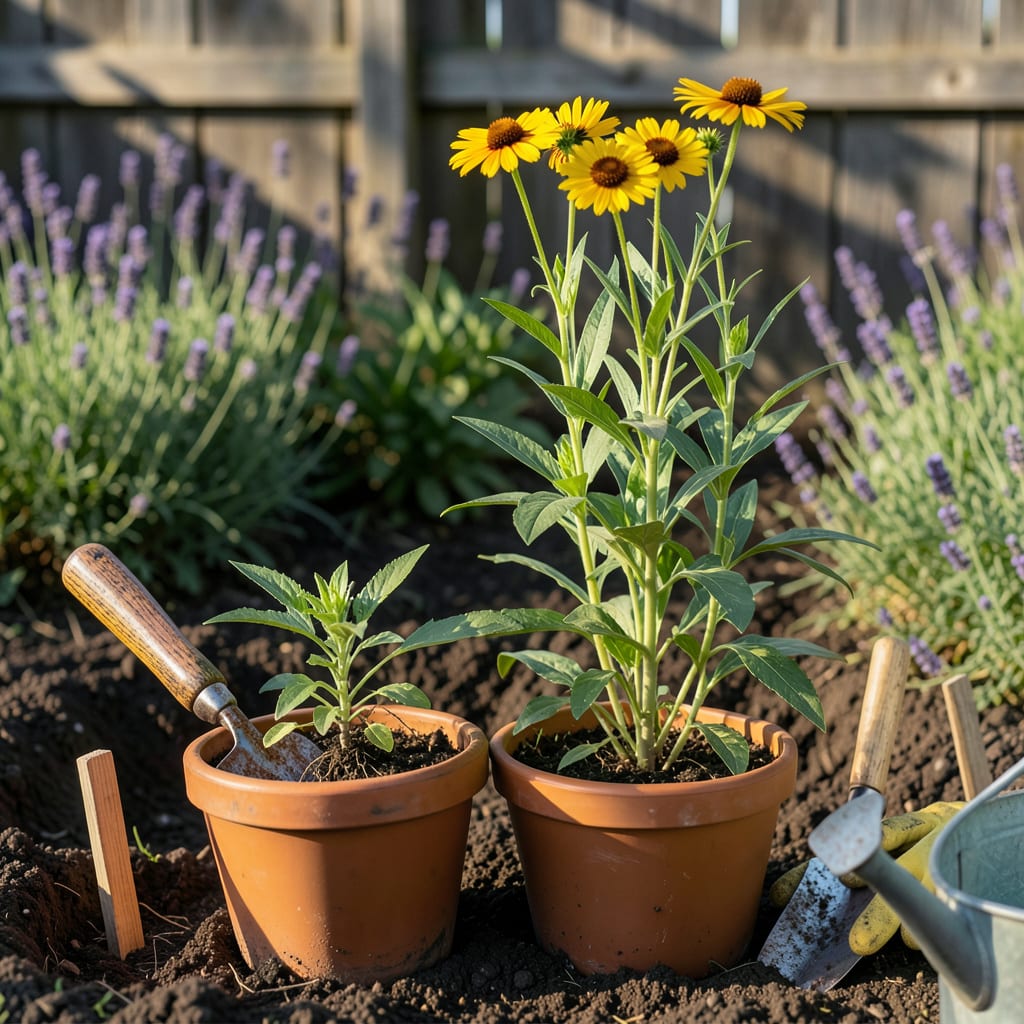
Timing can make or break your South Carolina garden—plant too early, and frost might ruin your 🌱 flowers; wait too long, and summer heat could scorch them. The difference between thriving blooms and disappointing results often comes down to knowing your region’s unique climate.
Whether you’re in the Piedmont’s cooler hills or the Coastal Plain’s humid zones, I’ll show you the exact windows to plant for vibrant color year-round. From azaleas to zinnias, we’ll cover what works best—and when—so your garden flourishes without the guesswork.
If you’ve ever wondered why your neighbor’s azaleas bloom beautifully while yours struggle, the secret often lies in planting timing. South Carolina’s diverse climate—spanning USDA Zones 7a to 9a—means what works in Charleston’s coastal heat won’t always thrive in Greenville’s cooler Piedmont.
I’ve spent years testing planting windows across the state, and the differences are striking. Coastal gardens can start annuals 2-3 weeks earlier than Piedmont gardens, while fall planting for spring blooms is non-negotiable in the Upstate. Let’s break down the exact months for success.
💡 Pro Tip: Coastal gardeners can push heat-loving zinnias into early March, while Piedmont folks should wait until soil temps hit 60°F (usually mid-April).
Notice how fall planting is critical for spring-blooming perennials like coneflowers and black-eyed Susans? That’s because South Carolina’s mild winters allow roots to establish without frost damage. I’ve had the best luck with October plantings in Columbia—they explode with color by April.
The coastal advantage is real: Charleston gardeners can start petunias and marigolds in late February under row covers, while Upstate gardeners in Zone 7a must wait until mid-April. This 3-4 week difference is why regional guides matter so much.
For bulbs like tulips, timing is everything. Plant too early in the Piedmont, and warm soil may cause premature sprouting. Too late in the Coastal region, and they won’t chill enough. Aim for October 15–November 15 statewide, but adjust based on your microclimate.
Don’t forget about soil prep! In the Piedmont’s clay soil, I amend beds with compost and sand before planting. Coastal gardeners should focus on organic matter to improve water retention in sandy soil. A soil test (available through Clemson Extension) is worth its weight in blooms.
One of my favorite South Carolina hacks: Use fall-planted pansies as living mulch. They’ll bloom all winter in the Coastal region and protect soil until your summer annuals go in. In the Piedmont, they may need winter protection during cold snaps.
Remember, these are general guidelines. Always check your local frost dates and watch the 10-day forecast before planting. I use the Clemson Home & Garden Information Center‘s tools to track my zone’s specific conditions—it’s saved my dahlias more than once!
Ready to dig in? Grab your gardening journal and mark these dates—your most vibrant flower beds yet are just a planting schedule away. And if you’re unsure about your exact zone, the USDA Plant Hardiness Zone Map is your best friend.
South Carolina summers can feel like a floral survival test—but the right plants don’t just survive, they thrive in the heat. After years of battling wilting petunias and crispy marigolds, I’ve found the top performers that laugh at 95°F days and humidity.
These aren’t just heat-tolerant—they’re heat-loving powerhouses that bloom brighter when temperatures climb. From native wildflowers to tough annuals, here are my go-to picks for June through August color that won’t quit on you.
This native superstar handles drought and poor soil while attracting pollinators. Plant in full sun—it blooms June–September with zero fuss.
Drought-proof and deer-resistant, lantana’s vibrant clusters bloom nonstop. Coastal gardeners: It tolerates salt spray too!
The cut-flower champ loves heat and blooms in 45 days. Deadhead weekly for continuous flowers. Piedmont tip: Start seeds indoors in April.
Humidity lover with star-shaped blooms. Butterfly magnet that thrives in containers or beds. Water when soil dries to 1″ deep.
The succulent-like annual that laughs at drought. Trailing habit perfect for rock gardens or containers. Blooms all summer in full sun.
☀️ Summer Survival Tip: Water these heat-lovers deeply 2x/week (1″ per session) and mulch with pine straw to retain moisture.
I’ve found that morning watering is crucial for these plants—it gives them moisture to power through the day without encouraging fungal issues. In the Piedmont, where afternoons can be slightly cooler, you might get away with every-other-day watering for established plants.
The secret to lantana’s success in coastal areas? Prune it back by one-third in early July. This encourages bushier growth and more blooms during the peak summer months. I learned this trick from a Charleston master gardener—it transformed my scraggly lantana into a flower-covered mound.
For zinnias and pentas, don’t skip the weekly deadheading. I use my morning coffee time to walk through the garden with pruners—it takes less than 10 minutes and keeps blooms coming. The bonus? You’ll have fresh cut flowers for vases all summer long.
Remember that soil matters even for tough plants. In the sandy Coastal soil, I mix in composted cow manure before planting. In the Piedmont’s clay, I add perlite and compost to improve drainage. This extra step makes a visible difference in plant vigor during heat waves.
Want to extend the season? Start these flowers from seeds indoors in March (Piedmont) or late February (Coastal). I use grow lights
Even experienced gardeners make mistakes in South Carolina’s tricky climate. I’ve seen beautiful azaleas wilt from poor timing and zinnias crisp from overwatering. The good news? Most issues have simple fixes once you know what to watch for.
The biggest culprit? Ignoring microclimates. A plant that thrives in Charleston’s humidity might struggle in Greenville’s cooler nights. Let’s tackle the most common pitfalls and how to avoid them in your garden.
💡 Quick Fix: Use Clemson Extension’s soil testing ($17) before planting—it reveals exact amendments needed for your location.
One mistake I made for years was planting annuals too close. In SC’s heat, plants like marigolds and salvias can double in size! Now I follow the “mature width” rule—spacing plants at least half their expected width apart for airflow.
Another common issue? Watering at the wrong time. Evening watering in our humid climate invites fungal diseases. I switched to early morning (6-8 AM) and saw 50% fewer mildew problems. For containers, check moisture daily—they dry out fast in our heat.
Don’t overlook hardiness zones! I lost three gardenias before realizing my Zone 7b Piedmont location was too cold. Always check tags for “Zone 8+ only” warnings. Coastal gardeners can push zones, but Piedmont folks should stick to the rules.
For clay soil struggles (common in Upstate), I’ve had success with raised beds filled with 50% native soil and 50% compost. In Coastal areas, mix pine bark fines into sandy soil to improve water retention. Both solutions cost under $50 for a 4×8 bed.
Remember: SC’s long growing season is a blessing and a curse. While we can plant almost year-round, that also means weeds and pests don’t take vacations. Mulch heavily (3-4 inches) to suppress weeds and inspect plants weekly for pests like spider mites.
Your best defense? Keep a garden journal. Note what thrives where, when you planted, and how plants responded. After three seasons, you’ll have a customized SC planting calendar that works perfectly for your microclimate. My journal saved my dahlias last year!
Coastal areas (Zones 8a-9a) have milder winters and earlier planting windows—often 2-3 weeks ahead of the Piedmont. For example, annuals can go in as early as March on the coast, while Piedmont gardeners should wait until mid-April to avoid late frosts.
Focus on heat-tolerant varieties like zinnias, lantana, or portulaca. Plant in late afternoon to reduce shock, and water deeply for the first week. Avoid delicate flowers like pansies—they’ll struggle in 90°F+ temperatures.
Test by squeezing a handful—if it crumbles easily (not sticky or powdery), it’s ready. In the Piedmont’s clay soil, wait until it’s dry to 2″ deep. Coastal gardeners should check for moisture 3″ down in sandy soil. A $17 Clemson soil test gives precise guidance.
For mums, asters, and pansies, plant by early October in the Piedmont and mid-October on the coast. This gives roots time to establish before winter. Add 2-3″ of mulch to protect new plantings from temperature swings.
Containers dry out faster, so you can plant 1-2 weeks earlier in spring. Use lightweight potting mix (not garden soil) and monitor moisture daily in summer. Elevate pots in the Piedmont to avoid cold soil in early spring.
