
Beautiful Plants For Your Interior
Beautiful Plants For Your Interior
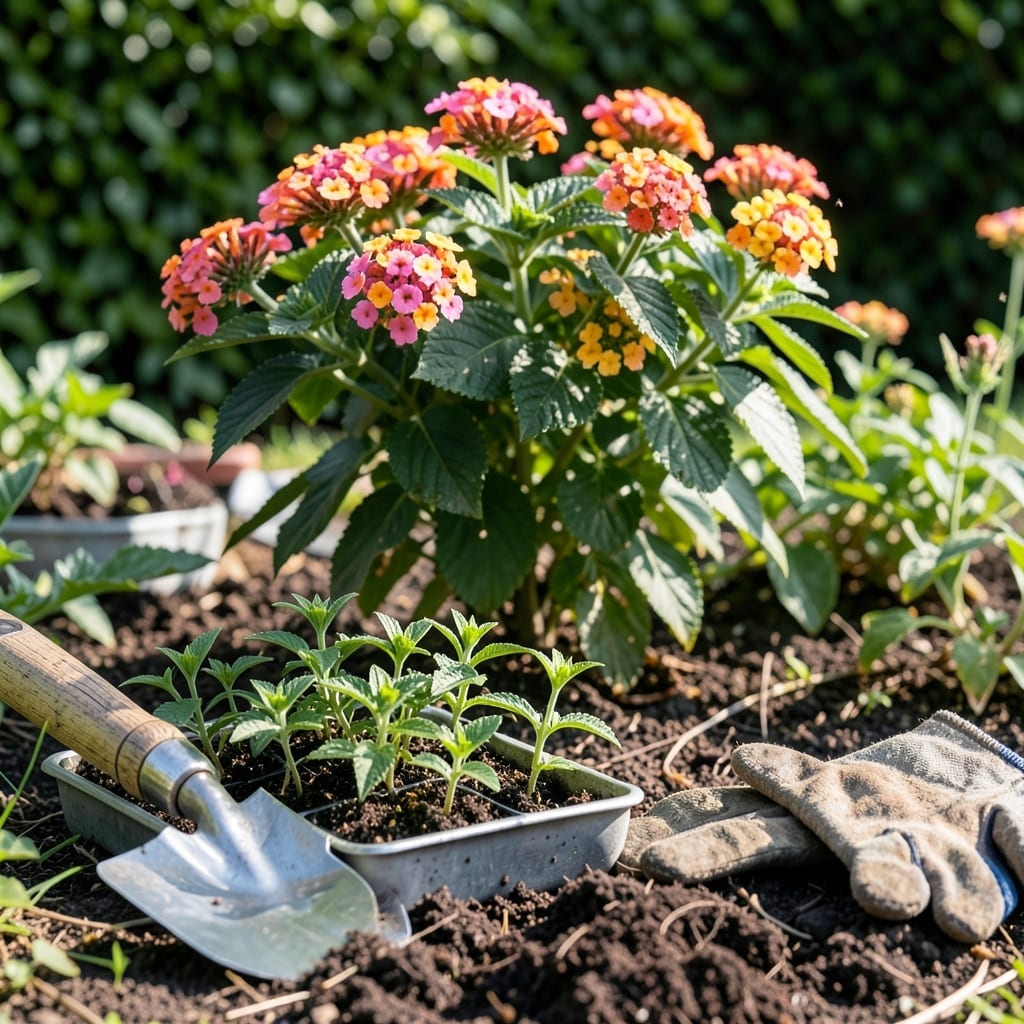
San Antonio’s unique climate—hot summers and mild winters—makes timing everything when planting Flowers. Plant too early or too late, and your blooms may struggle to thrive.
The city’s USDA Zone 8b offers a long growing season, but knowing the right windows is the key to vibrant gardens. Whether you’re a seasoned gardener or just starting out, getting this right means the difference between lackluster and spectacular results.
I’ve seen firsthand how the right timing transforms a garden. From February to April and again in September to November, these are the best moments to get your 🌸 in the ground and watch them flourish.
Let me walk you through the most important considerations for planting Flowers in San Antonio, so you can enjoy continuous color and life in your outdoor space.
San Antonio’s USDA Zone 8b climate offers a long growing season, but timing is key. I’ve found that spring and fall are the sweet spots for planting flowers, avoiding the brutal summer heat that can stress young plants.
Our last frost typically hits around March 1, making February through April ideal for most annuals and perennials. For fall planting, aim for September to November before the first frost arrives.
| Season | Best Flowers to Plant | Key Notes |
|---|---|---|
| Early Spring (Feb-Mar) | Petunias, Marigolds, Snapdragons | After last frost risk passes |
| Late Spring (Apr-May) | Zinnias, Cosmos, Sunflowers | Heat-tolerant varieties |
| Fall (Sep-Oct) | Pansies, Violas, Calendula | Cool-season annuals |
| Winter (Nov-Dec) | Sweet Alyssum, Stock | Protect from rare cold snaps |
For summer planting, I recommend sticking to heat-loving natives like Lantana or Blackfoot Daisy. These can handle our 100°F+ days with proper watering.
Our clay-heavy soil can be challenging, so I always amend with compost before planting. This improves drainage and gives roots a better start, especially important in our drought-prone summers.
Remember that watering needs change with the seasons. In summer, I water my flower beds twice weekly, while spring and fall only need once a week once established.
For bulbs, October to November is perfect for planting spring-blooming varieties like Daffodils and Tulips. They’ll need a chilling period to thrive in our mild winters.
I’ve learned that morning planting is best in San Antonio. This gives plants time to settle before the intense afternoon heat kicks in. Always water thoroughly after planting to help roots establish.
Don’t forget about mulching—it’s a game-changer for moisture retention in our hot climate. I use 2-3 inches of organic mulch around my flower beds to keep roots cool and conserve water.
San Antonio’s 274 frost-free days mean we can enjoy flowers nearly year-round. With the right timing and care, your garden can be in bloom from early spring through late fall 🌸
San Antonio’s scorching summers demand flowers that can handle the heat. I’ve found that native and drought-tolerant varieties thrive best in our USDA Zone 8b climate. These blooms won’t wilt under the Texas sun with proper care.☀️
My top picks include Lantana, Zinnias, and Blackfoot Daisy. These low-maintenance flowers love full sun and require minimal watering once established. They also attract pollinators like bees and butterflies.🌻
For best results, plant these varieties in well-draining soil and water deeply but infrequently. I recommend morning watering to reduce evaporation and prevent fungal diseases. Mulching helps retain moisture too.💧
Lantana and Salvia are my go-to choices for low-water gardens. They can survive on weekly watering once established. For Zinnias, deadhead spent blooms to encourage continuous flowering throughout the season.
If you’re new to gardening in San Antonio, start with Esperanza. It’s forgiving, grows quickly, and adds a tropical feel to any landscape. Just ensure it gets full sun for at least 6 hours daily.
Remember, even drought-tolerant flowers need consistent care their first season. Once roots establish, they’ll reward you with vibrant blooms all summer long.✂️