
Beautiful Plants For Your Interior
Beautiful Plants For Your Interior
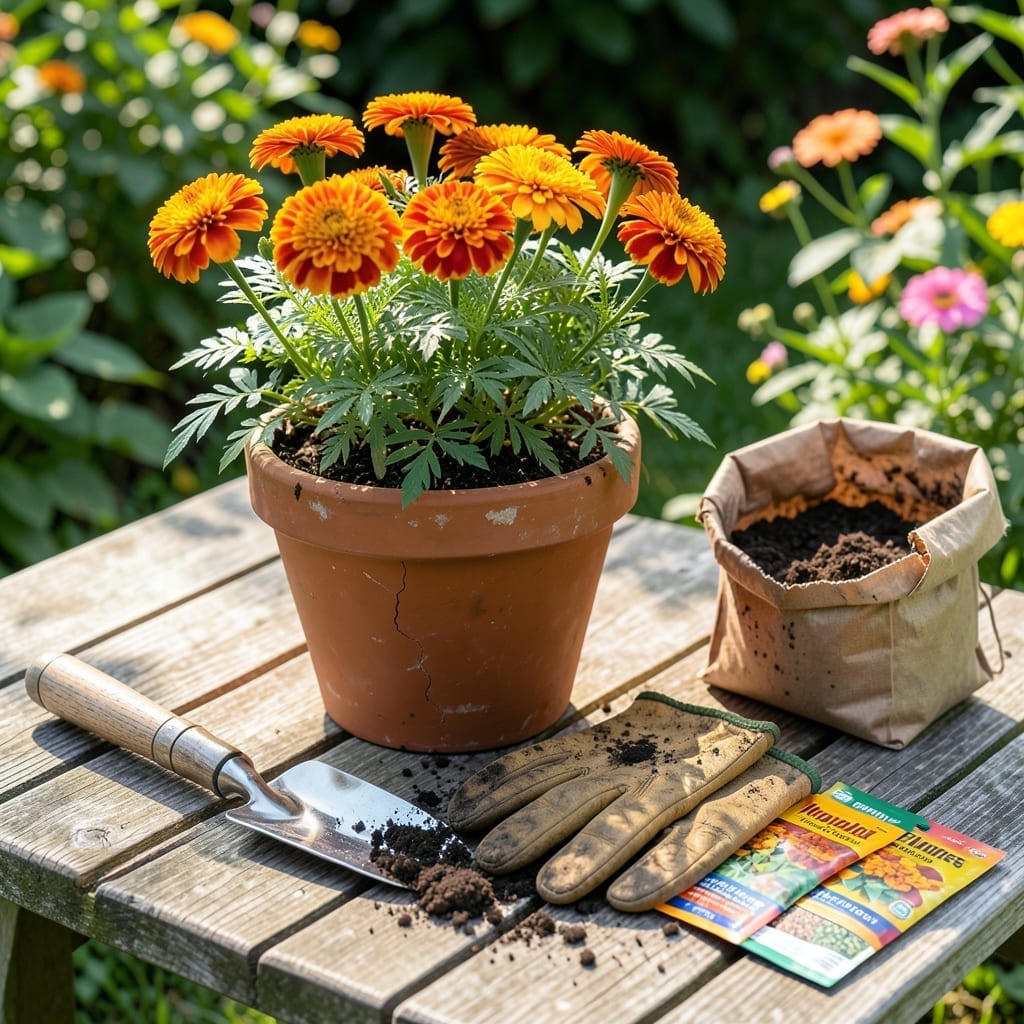
Timing is everything when planting Flowers in Rhode Island’s unique climate. Plant too early and frost may ruin your blooms, wait too long and you’ll miss the growing season.
I’ve learned the hard way that understanding your local growing conditions is the key to a successful garden. In USDA zone 6b, timing can make or break your Flowers.
Whether you’re new to gardening or a seasoned pro, knowing when to get those seeds in the ground is crucial. Let me share what took me years to figure out.
Discover the perfect planting window and watch your garden thrive like never before. The secret lies in working with, not against, nature’s schedule.
Rhode Island’s USDA zones 6a-7b create a unique planting window for flowers. I’ve found that knowing your exact zone helps prevent costly mistakes with sensitive blooms.
The last frost date typically falls between April 15 and May 10, varying by location. Coastal areas often warm up faster than inland spots.
| Zone | Last Frost Date | Planting Window |
|---|---|---|
| 6a | April 20 | Mid-April to May |
| 6b | April 15 | Early April to May |
| 7a-7b | April 10 | Late March to April |
Annual flowers like marigolds and zinnias thrive when planted after the last frost. I always wait until soil temps hit 60°F for these heat-lovers.
Perennial flowers have different needs. I plant bleeding hearts and hostas in early spring, while black-eyed Susans can go in as late as early fall.
For bulb flowers, timing is everything. I plant tulips and daffodils in October before the ground freezes. This gives them time to establish roots before winter.
The first frost in Rhode Island usually arrives around October 15. I use this as my deadline for planting fall bloomers like chrysanthemums.
Soil temperature is just as important as air temperature. I use a soil thermometer to check conditions before planting. Most flowers need soil temps above 50°F to thrive.
Microclimates can significantly affect planting times. My south-facing garden bed warms up 2 weeks earlier than my north-facing one. I adjust my planting schedule accordingly.
Remember that coastal areas may have slightly different conditions than inland locations. The moderating effect of the ocean can extend your growing season by a few weeks.
I’ve learned to keep a garden journal to track my planting dates and results. This helps me refine my schedule each year based on actual conditions rather than just general guidelines.
In Rhode Island, timing your flower planting right can mean the difference between a thriving garden and a disappointing one. I’ve found that following a month-by-month guide helps maximize blooms.
The Ocean State’s climate allows for a long growing season, but you need to know when to start annuals versus perennials. Early spring and fall are particularly important windows.
I always remind beginners that soil temperature matters as much as air temperature. In Rhode Island, 60°F soil is ideal for most warm-season flowers.
For cool-season flowers like pansies, you can plant them 4-6 weeks before the last frost. They’re hardy enough to handle light frosts.
Don’t forget about succession planting. I plant new batches of zinnias every 2-3 weeks for continuous blooms all summer long.
Always check the weather forecast before planting. A late frost in May isn’t uncommon in Rhode Island, so be prepared to protect tender plants. ✂️