
Beautiful Plants For Your Interior
Beautiful Plants For Your Interior
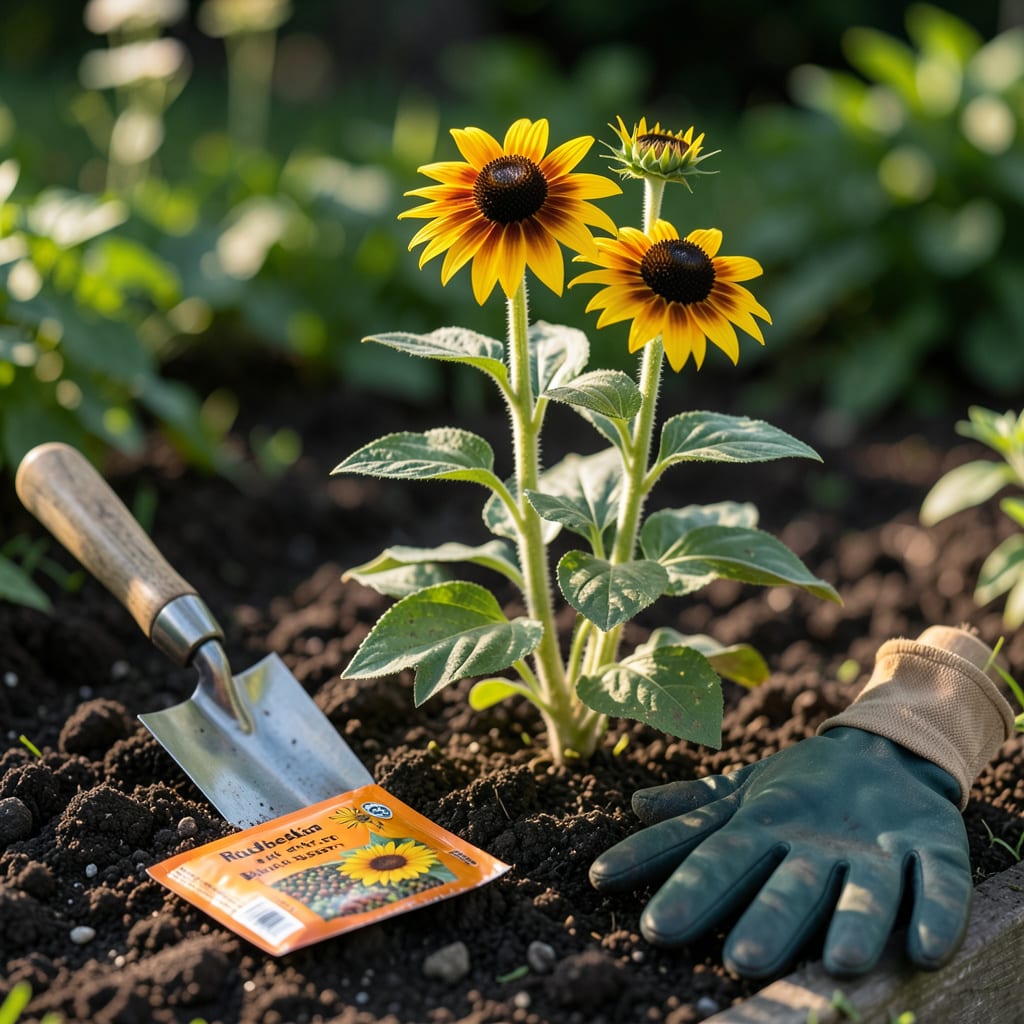
Pennsylvania gardeners know the frustration all too well: plant your flowers too early, and a surprise frost wipes out your hard work. Wait too long, and summer’s heat leaves your blooms struggling to thrive. The difference between a lackluster garden and one bursting with color often comes down to just a few weeks.
I’ve spent years tracking Pennsylvania’s unpredictable seasons—from the rolling hills of Zone 5 to the milder climates of Zone 7—and one thing’s clear: timing isn’t just important, it’s everything. Let’s cut through the guesswork so you can plant with confidence, whether you’re in Pittsburgh or Philadelphia. Here’s exactly when to get those flowers in the ground for stunning results.
Pennsylvania’s three USDA zones (5a-7b) mean your planting schedule can vary by weeks depending on where you live. In Zone 5 (Pittsburgh, Erie), frost lingers longer, while Zone 7 (Philadelphia, Lancaster) enjoys earlier springs. I’ll break down the exact windows for each zone.
First, know your last frost date—it’s the golden rule for planting. In Zone 6 (Harrisburg, Allentown), it’s typically April 15–May 1, but microclimates (like urban heat islands) can shift this. Always cross-check with Penn State Extension’s frost maps for hyper-local accuracy.
Pro Tip: Use Penn State Extension’s tool to find your exact frost dates by ZIP code.
For annuals like marigolds or zinnias, wait until soil temps hit 60°F—usually 2 weeks after last frost. I use a $10 soil thermometer to take the guesswork out. Perennials (cone flowers, black-eyed Susans) can go in earlier, as they’re frost-tolerant once established.
Bulbs (tulips, daffodils) need fall planting—aim for 6 weeks before first frost so roots develop. In Zone 5, that’s late September; Zone 7 gardeners can plant through October. Mark your calendar: October 15 is the cutoff for most of PA.
PA’s humid summers mean morning planting is key—it reduces transplant shock. I always water deeply after planting and add 2 inches of mulch to retain moisture. For clay-heavy soil (common in central PA), mix in compost to improve drainage before planting.
Fall mums and pansies thrive when planted in early September—they’ll establish roots before winter. Avoid late-fall planting; roots need 4–6 weeks to settle. I learned this the hard way after losing a flat of mums to an early November freeze!
Watch for microclimates: South-facing walls or urban areas can be 5–10°F warmer, letting you plant 1–2 weeks earlier. My Philadelphia balcony gets full sun and bricks that radiate heat, so I start petunias in late March under row covers.
Need a foolproof trick? Follow the forsythia—when its yellow blooms fade in spring, soil’s warm enough for most annuals. In fall, plant bulbs when nighttime temps drop to 50°F. Mother Nature’s cues are often more reliable than the calendar!
Remember: PA’s weather is unpredictable. Keep frost blankets handy until late May, and have shade cloth ready for sudden summer heatwaves. I stash mine in the garage with my tools—it’s saved my dahlias more than once during a surprise 90°F June day.
Pennsylvania’s four distinct seasons mean your flower garden can be a year-round spectacle—if you choose the right blooms for each window. I’ve tested dozens of varieties across PA’s zones, and these are the top performers that thrive in our climate’s mood swings.
Spring in PA is all about cold-hardy annuals and early bulbs. While tulips and daffodils steal the show in March, don’t overlook pansies and snapdragons—they laugh at light frosts. My go-to combo: crocus bulbs planted in fall, followed by pansy transplants in early April.
Pro Tip: Pair early bloomers (crocus) with late spring stars (alliums) for 6+ weeks of color from one bed.
For summer heat, I swear by native PA wildflowers like butterfly weed and bee balm. They’re drought-resistant once established and attract pollinators by the dozen. Plant in full sun and well-draining soil—they’ll reward you with blooms from June to September.
Fall planting isn’t just for mums! Try fall-blooming crocus or autumn joy sedum for late-season color. I tuck tulip and daffodil bulbs into beds in October, right after the first light frost—it helps prevent fungal issues. Use a bulb planter tool to save your back!
Pollinator gardens thrive in PA with purple coneflowers, milkweed, and goldenrod. These natives need zero fuss and support bees and butterflies. Plant in clusters of 3–5 for maximum impact. My front yard’s milkweed patch is now a monarch butterfly pit stop every August.
Avoid the “summer slump” with succession planting. After spring bulbs fade, fill gaps with cosmos or cleome. In late summer, add asters or Russian sage for fall color. I keep a planting calendar on my fridge—it’s my secret weapon for nonstop blooms from March to November.
Remember: PA’s native soil often leans clay-heavy or acidic. Test your soil with a $20 kit from the garden center. For alkaline soil (common near limestone), add sulfur or peat moss before planting hydrangeas or azaleas—they’ll thank you with bigger blooms!
Even experienced gardeners in Pennsylvania can trip up on timing, soil prep, or plant selection. I’ve made my share of mistakes—like planting tender annuals too early in Zone 5 or ignoring my clay-heavy soil—and learned the hard way. Here are the top pitfalls to sidestep for a thriving garden.
One of the biggest errors? Misjudging frost dates. PA’s last frost can swing by 2–3 weeks even within the same zone. I once lost a flat of petunias to a late May 10 frost in Pittsburgh—despite the “average” last frost being May 1. Always check real-time forecasts and keep frost blankets handy.
Quick Fix: If you’ve already planted too early, cover tender plants with cloches or milk jugs overnight to trap heat.
Another common mistake is choosing non-native invasives like purple loosestrife or Japanese barberry. They may thrive, but they’ll choke out native species and disrupt ecosystems. Stick to PA-native pollinators like cone flowers or black-eyed Susans—they’re low-maintenance and support local wildlife.
Soil prep neglect is a silent killer in PA gardens. Our clay soil (especially in central PA) compacts easily, suffocating roots. Before planting, I amend with compost and perlite to improve drainage. For raised beds, use a mix of 60% topsoil, 30% compost, and 10% sand—it’s my go-to recipe for vibrant blooms.
Don’t forget about microclimates! A south-facing wall in Philadelphia can be 10°F warmer than your backyard. I once planted dahlias in a “sunny” spot, only to realize a nearby maple tree cast shade by June. Observe your garden’s sun patterns for a full day before finalizing plant placement.
Finally, over-fertilizing is a rookie error. PA’s humid summers mean plants grow fast—too much fertilizer leads to leggy stems and fewer blooms. I use a slow-release 10-10-10 once in spring, then light compost tea monthly. For native wildflowers, skip fertilizer entirely—they’re adapted to our lean soils.
Use Penn State Extension’s frost date tool by entering your ZIP code for hyper-local accuracy. Average last frost ranges from April 1 in Zone 7 (Philadelphia) to May 15 in Zone 5 (Pittsburgh), but microclimates can shift this by weeks.
Yes! Row covers or frost blankets can protect tender plants from light frosts, letting you plant 2–3 weeks earlier. Just remove covers during the day to prevent overheating and ensure pollinators can access blooms.
Amend with 3–4 inches of compost and 1 inch of perlite to improve drainage. For raised beds, mix 60% topsoil, 30% compost, and 10% sand. Avoid planting in compacted clay—it suffocates roots and holds too much moisture.
Opt for native wildflowers like cone flowers, black-eyed Susans, or bee balm. These are drought-tolerant once established and resist fungal issues common in humid climates. Avoid moisture-loving impatiens unless in shaded areas.
Common causes: planting too late in fall (roots didn’t establish), overcrowding, or poor drainage. Dig up non-blooming bulbs after foliage dies back; if firm, replant in sunnier spots with added compost. Weak or mushy bulbs need replacing.
