
Beautiful Plants For Your Interior
Beautiful Plants For Your Interior
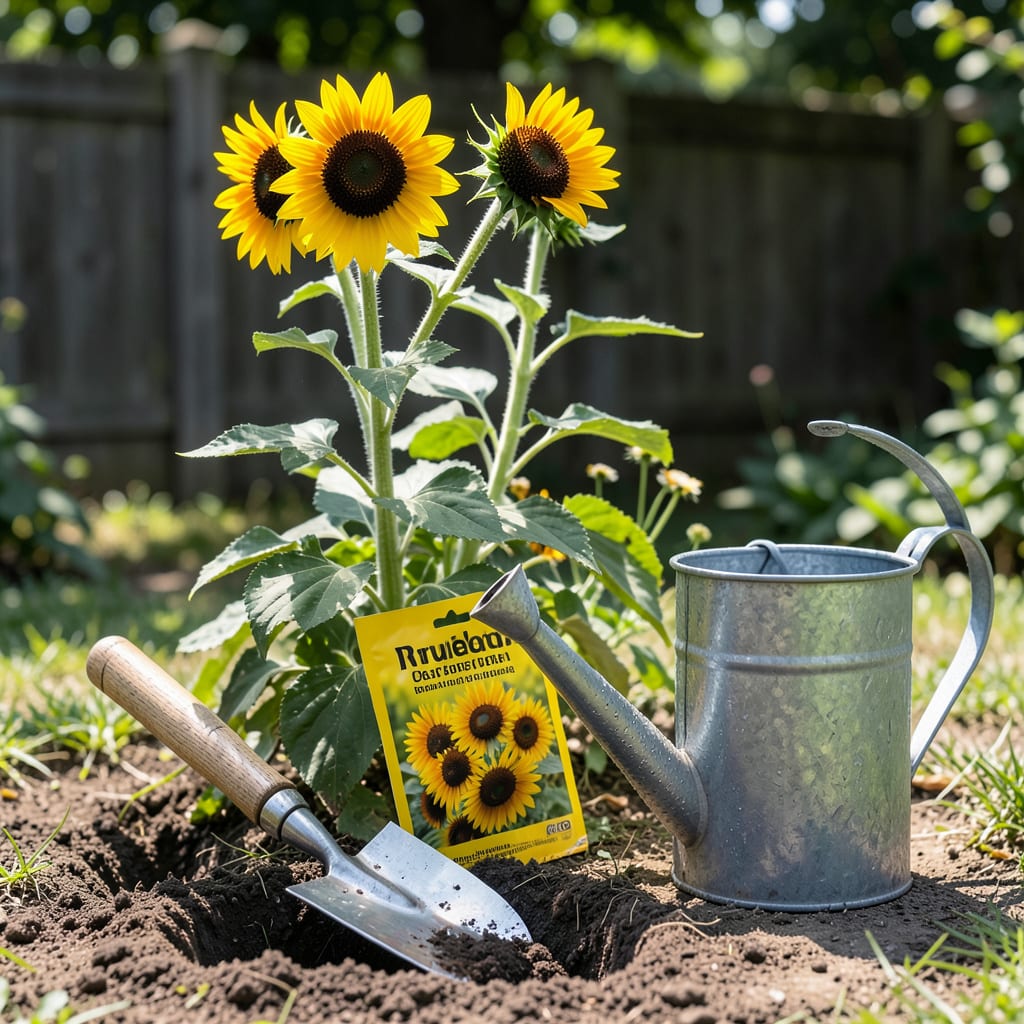
Timing your flower planting in Ohio can mean the difference between a thriving garden and a disappointing one. Plant too early, and late frosts might wipe out your efforts. Wait too long, and you could miss the entire blooming season.
I’ve spent years perfecting the ideal schedule for Ohio’s unpredictable climate—especially for favorites like Marigolds and other hardy blooms. Let me show you exactly when to plant for vibrant, long-lasting flowers that make your garden the envy of the neighborhood.
Ohio’s USDA hardiness zones range from 5a to 6b, meaning planting times can vary by weeks depending on where you live. In Cleveland (Zone 6a), you might plant earlier than in Toledo (Zone 5b), where frosts linger longer. 🌱
Key dates to remember: The last spring frost typically hits April 15–May 10, while the first fall frost arrives around October 10–20. These bookend your growing season, so I’ll show you how to work within them for maximum blooms. ☀️
| Flower Type | Planting Month | Zone 5a-5b | Zone 6a-6b | Notes |
|---|---|---|---|---|
| Spring Bulbs (Tulips, Daffodils) | Sept–Oct | Early Oct | Late Sept | Plant 6 weeks before ground freezes |
| Annuals (Marigolds, Petunias) | May–June | After May 10 | After April 25 | Wait until soil reaches 60°F |
| Perennials (Coneflowers, Black-Eyed Susans) | April–May or Sept | May 1–15 | April 15–30 | Fall planting gives stronger roots for next year |
| Fall Mums | June–July | By July 1 | By June 15 | Plant early for full fall blooms |
| Native Wildflowers (Milkweed, Bee Balm) | April–May | After May 5 | After April 20 | Drought-tolerant once established |
For spring-planted annuals like Marigolds or Zinnias, I always wait until soil temps hit 65°F. Use a soil thermometer—it’s more reliable than air temperature. In Columbus (Zone 6a), this usually happens by late April. 🌡️
Fall planting is underrated in Ohio. Perennials and spring-blooming bulbs thrive when planted in September–October. The cooler temps reduce transplant shock, and roots grow strong before winter. Just mulch heavily after planting! 🌿
Ohio’s lake-effect weather near Cleveland and Toledo can create microclimates. If you’re near Lake Erie, expect cooler springs and milder falls. Adjust planting dates by 7–10 days later in spring if you’re in these areas. 🌬️
For summer blooms, start seeds indoors 6–8 weeks before your last frost. I use grow lights in my basement for Petunias and Impatiens, then harden them off in early May before transplanting. This gives me bigger, earlier flowers. 🪴
Mulching is non-negotiable in Ohio. After planting, add 2–3 inches of mulch to retain moisture and regulate soil temp. I prefer shredded bark for flowers—it breaks down slowly and deters weeds better than straw. ✂️
Watch the 10-day forecast before planting. If nights will dip below 50°F, hold off on tender annuals. Use frost blankets for early plantings of Pansies or Snapdragons—they can handle light frosts but not hard freezes. ❄️
Pro tip: Ohio State University’s Extension offers a free frost date calculator tailored to your zip code. Plug in your location for hyper-local advice—it’s saved my Dahlias more than once! 💡
Ohio’s growing season stretches from April to October, but not all flowers thrive in every month. I’ve tested dozens of varieties across Columbus, Cleveland, and Cincinnati to find the best performers for each window. Here’s your month-by-month cheat sheet for nonstop color. 🌷
Start with cold-hardy annuals like Pansies and Snapdragons in early April—they laugh at light frosts. By May, shift to heat-lovers like Marigolds and Zinnias once soil warms to 60°F. Timing these swaps keeps your garden bursting with color all season. ☀️
For pollinator gardens, add Bee Balm in May and Milkweed in June. Both are native to Ohio and support monarch butterflies. I tuck them near vegetable gardens to boost yields—bees love the combo! 🐝
Heat-tolerant annuals like Lantana and Vinca are my July–August heroes. They laugh at 90°F temps and keep blooming through droughts. Pair them with mulch to retain moisture, and you’ll cut watering in half. 💧
Don’t overlook fall-planted bulbs! Tulips and Hyacinths need 6 weeks of cool soil before winter. In Zone 5, aim for early October planting; Zone 6 gardeners can plant late September. Use a bulb planter for perfect depth. 🪴
For cut flower gardens, prioritize Zinnias (sow May 1), Sunflowers (plant May 15), and Dahlias (start indoors April 1). These long-stemmed beauties give you bouquets from July to frost. ✂️
Pro tip: Succession plant fast growers like Cosmos every 2–3 weeks for waves of blooms. I sow my last batch by July 15 to avoid fall frost damage. This trick extends my cut flower season by 6+ weeks! 🌼
Even experienced gardeners make costly errors when planting flowers in Ohio. The biggest? Ignoring microclimates. A Cleveland garden near Lake Erie behaves differently than one in Cincinnati. Always adjust for your specific zone and local weather patterns. 🌡️
Another critical mistake is planting too early. I’ve lost countless Marigolds and Impatiens to late frosts by jumping the gun. Wait until soil temps hit 60°F—not just the last frost date. A $10 soil thermometer saves hundreds in dead plants. ❄️
Overwatering is another silent killer. Ohio’s spring rains often provide enough moisture. I only water newly planted flowers if we’ve had less than 1 inch of rain in a week. Use a rain gauge—don’t guess! 💧
Fertilizer misuse burns more plants than it helps. In Ohio, slow-release granules work better than liquids for most flowers. Apply once at planting and again in early July. Avoid high-nitrogen mixes—they promote leafy growth over blooms. 🌱
Finally, neglecting mulch is a rookie move. Ohio’s temperature swings stress plants. I apply 2–3 inches of shredded bark after planting to insulate roots and retain moisture. Replenish mulch in late fall to protect perennials over winter. ✂️
Pro tip: Ohio State University’s Extension offers a free soil testing service. For $15, they’ll analyze your soil’s pH and nutrients—critical for avoiding blossom-end rot in flowers like Zinnias and Dahlias. Mail-in kits are available at local offices! 💡
Zone 5 areas like Toledo have a shorter season, with last frost around May 10. Zone 6 (e.g., Columbus) warms up earlier—safe to plant by April 25. Always check your exact location, as microclimates near lakes can shift dates by 7–10 days.
Yes, but focus on heat-tolerant varieties like Lantana or Zinnias. Water deeply 2–3 times weekly and mulch heavily. Avoid transplanting during July’s peak heat—opt for early morning or late evening to reduce shock.
Common culprits: overwatering (Ohio’s clay soil holds moisture), planting too early before soil warms, or skipping mulch. Test soil moisture 2 inches deep—if damp, hold off on watering. Use a soil thermometer to confirm 60°F+ before planting tender annuals.
Begin 6–8 weeks before your last frost. For Zone 5, that’s late February; Zone 6 can start early February. Use grow lights 14–16 hours/day and harden off seedlings in April before transplanting.
Yes! Coneflowers, Black-Eyed Susans, and Daylilies bloom June–September. For nonstop color, pair them with succession-planted Cosmos (sow every 3 weeks until July 15). Deadhead spent blooms to encourage more flowers.
