
Beautiful Plants For Your Interior
Beautiful Plants For Your Interior
Ever planted 🌸 flowers in Minnesota only to watch them struggle through a surprise frost or wilt in summer heat? You’re not alone—our Zone 4-5 climate demands perfect timing to avoid these heartbreaking setbacks.
I’ve spent years testing what works (and what doesn’t) in Minnesota gardens. The difference between thriving blooms and disappointing flops often comes down to just 2-3 weeks of planting timing. Let me show you exactly when to get those flowers in the ground for maximum impact.
If you’ve ever wondered why your neighbor’s garden bursts with color while yours struggles, the secret often lies in perfect timing. Minnesota’s USDA Zones 3b-5a bring unique challenges—late spring frosts, short growing seasons, and dramatic temperature swings. I’ve spent years testing what works, and I’ll tell you: nailing those planting windows makes all the difference.
Here’s the golden rule: Wait until after your last frost date—typically May 15 for most of Minnesota, though southern regions (like Rochester) might sneak in earlier by April 30, while northern areas (near Duluth) should hold off until June 1. But frost dates aren’t the whole story. Soil temperature matters just as much, and I’ll show you how to use both to your advantage.
| Best Planting Window | Top Flower Picks | Key Conditions | |
|---|---|---|---|
| Early Spring (March–April) |
4–6 weeks before last frost (indoors) | Pansies, Snapdragons, Cold-Hardy Annuals | Soil temp: 40–50°F Use row covers for outdoor starts |
| Late Spring (May–Early June) |
After last frost (May 15 avg.) | Marigolds, Zinnias, Tender Annuals, Perennials | Soil temp: 55–65°F Harden off seedlings 1 week prior |
| Summer (June–July) |
Successive planting every 2–3 weeks | Sunflowers, Cosmos, Heat-Lovers | Soil temp: 65°F+ Mulch to retain moisture |
| Fall (August–September) |
6+ weeks before first frost | Mums, Asters, Perennials, Spring Bulbs | Soil temp: 50–60°F Add compost for winter prep |
Let’s talk soil temperature—it’s the unsung hero of successful planting. I use a simple $10 soil thermometer to check depths of 2–4 inches. For cool-season flowers like pansies, 40–50°F is ideal. But heat-lovers like zinnias? They’ll sulk if the soil’s below 60°F. Pro tip: Dark-colored mulch warms soil faster in spring!
Minnesota’s clay-heavy soil can be a nightmare for drainage, but I’ve found amending with compost and sand (a 50/50 mix) works wonders. For fall planting, focus on perennials and bulbs—they’ll establish roots before winter. Just ensure they’re in the ground by mid-September in northern MN or early October in the south.
Don’t overlook microclimates! A south-facing wall can be 5–10°F warmer than an open garden bed, letting you plant tender annuals a week or two earlier. Conversely, low-lying areas collect cold air and frost pockets—save those spots for hardy natives like purple coneflower or black-eyed Susan.
For summer success, I swear by succession planting. Sow a new batch of cosmos or zinnias every 2–3 weeks until mid-July. This staggers blooms so you’re not left with a sad, gap-filled garden by August. And if you’re growing cut flowers, harvest stems in the early morning for the longest vase life.
Here’s my non-negotiable rule for fall: Stop fertilizing by late August. New growth stimulated by nitrogen won’t harden off in time for winter. Instead, focus on mulching (2–3 inches of shredded leaves or straw) to protect roots. And if you’re planting spring-blooming bulbs like tulips, get them in by October 15—they need chill time to bloom!
Finally, keep a garden journal with your planting dates and first/last frost observations. Minnesota’s weather is notoriously fickle—what works one year might flop the next. I’ve had years where I planted zinnias in late May only to lose them to a freak June frost. Now I always have frost blankets on hand for those “just in case” nights.
Remember, the key to a thriving Minnesota flower garden isn’t just what you plant—it’s when and how you plant it. Use this calendar as your starting point, then adjust based on your garden’s unique quirks. Happy planting! 🌷
Not all flowers thrive equally in Minnesota’s Zone 4-5 climate, but I’ve found the stars of our gardens are those that laugh at late frosts or bask in our short-but-intense summers. After years of trial and error, I’ve narrowed down the absolute best performers—and when to plant them for maximum impact.
Let’s start with cold-hardy annuals like pansies and snapdragons. These tough little bloomers can handle light frosts (down to 25°F!), so I plant them as early as April in southern MN or early May up north. They’ll give you color when most plants are still napping. Pro tip: Pair them with ornamental kale for a frost-proof combo that lasts until December!
| Best Planting Time | Top Varieties | Why They Thrive | |
|---|---|---|---|
| Cold-Hardy Annuals | April–May (4–6 weeks pre-frost) |
Pansies, Snapdragons, Dianthus | Survive 25°F; bloom in cool weather |
| Tender Annuals | May 15–June 1 (post-frost) |
Zinnias, Marigolds, Cosmos | Love heat; bloom until first frost |
| Native Perennials | May or Sept (spring/fall) |
Coneflowers, Black-Eyed Susan, Blazing Star | Drought-tolerant; pollinator magnets |
| Spring Bulbs | Oct 1–15 (6 weeks pre-freeze) |
Tulips, Daffodils, Alliums | Need winter chill; deer-resistant |
| Fall Stars | Aug 1–Sept 1 (6+ weeks pre-frost) |
Mums, Asters, Goldenrod | Peak color in cool weather |
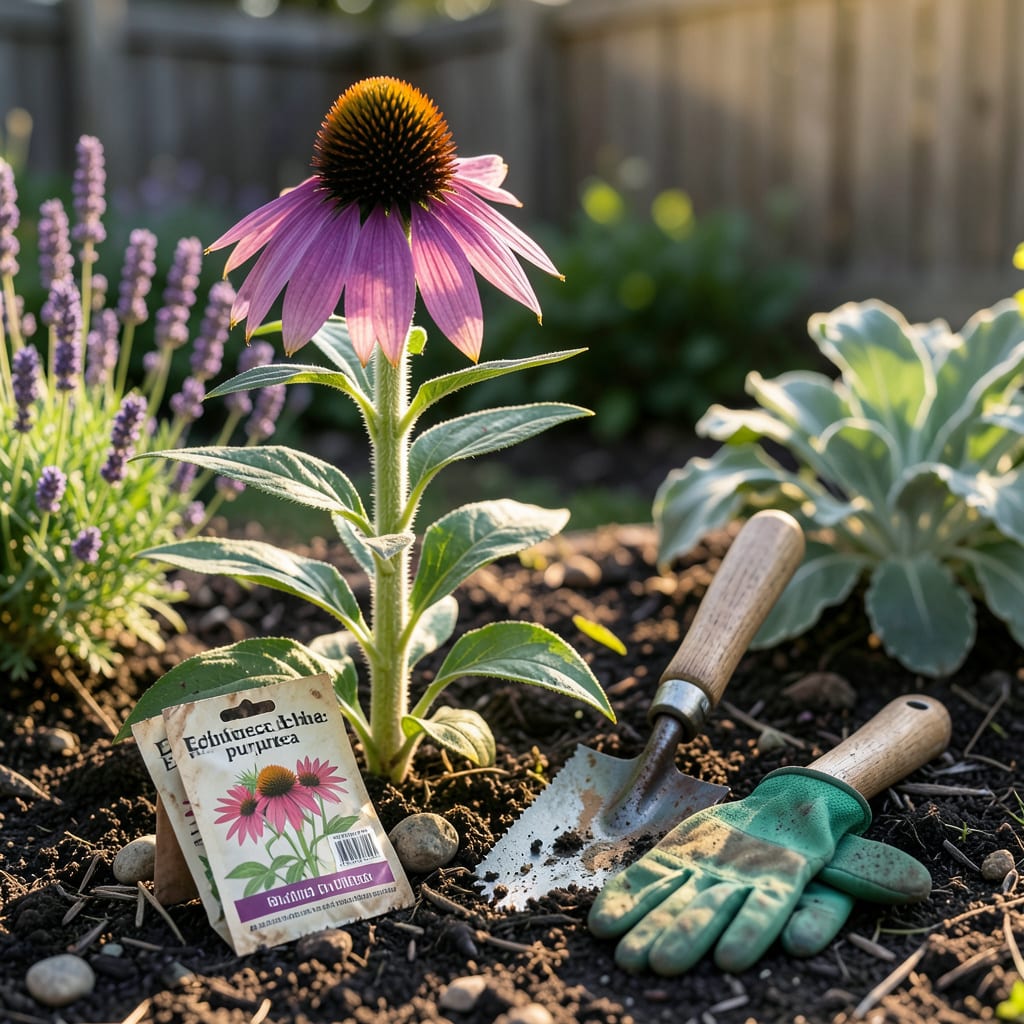
For perennial powerhouses, I swear by purple coneflower (Echinacea) and black-eyed Susan. Plant these in early May or September—they’ll reward you with years of blooms and require almost no fuss. Bonus: They’re native to Minnesota, so they’re already adapted to our clay soil and wild temperature swings.
If you crave summer drama, nothing beats dahlias and cannas. But here’s the catch: Wait until soil hits 60°F (usually early June in most of MN) to plant their tubers. I lost my first dahlias to a late May chill—now I start them in pots indoors and transplant after our last frost date. Trust me, the foot-wide blooms are worth the extra effort!
Don’t overlook fall planting for spring bulbs. I plant tulips and daffodils by October 15—earlier in northern MN. The secret? Add a handful of bone meal to each hole for bigger blooms. And if deer are a problem (they are for me!), opt for alliums or fritillaria—critters avoid their oniony scent.
For container gardens, my go-to combo is ‘Supertunia’ petunias (planted May 20+), sweet potato vine (trailing filler), and ‘Diamond Frost’ euphorbia (airy texture). This trio thrives in Minnesota’s humid summers and needs only weekly deadheading. Just remember: Containers dry out fast, so I check moisture daily in July and August.
Here’s my #1 rule for Minnesota flower success: When in doubt, plant natives. Species like butterfly weed (Asclepias) and wild bergamot are practically foolproof. They tolerate our alkaline clay soil, attract pollinators, and come back stronger every year. I’ve had the same clump of prairie smoke thriving for 8 years with zero care—now that’s what I call a low-maintenance superstar! 🌿
Even experienced gardeners can stumble when planting flowers in Minnesota’s fickle climate. I’ve made my fair share of mistakes—like planting zinnias too early or ignoring soil prep—and learned the hard way that small oversights can derail an entire season. Let’s tackle the most common pitfalls so you can avoid them.
First up: ignoring microclimates. Your backyard isn’t one uniform zone—it’s a patchwork of sunny hotspots, shady corners, and frost pockets. I once lost a row of impatiens because I planted them in a low-lying area that collected cold air. Now, I map my garden’s microclimates each spring and match plants to their ideal spots.
Another biggie: misjudging frost dates. Minnesota’s last frost isn’t a single date—it’s a moving target. Southern MN (Rochester) might be safe by April 30, while northern areas (Duluth) often see frost until June 1. I use the U of MN Extension’s frost calculator to pinpoint my exact dates. Even then, I keep frost blankets handy for surprise cold snaps.
Here’s a mistake I see all the time: planting depth errors. Bulbs like tulips need to be 6–8 inches deep to survive winter, while annuals often rot if buried too deep. My rule of thumb? Plant bulbs 3x their height deep, and set annuals at the same depth as their nursery pots. And always loosen roots if they’re circling—they’ll establish faster.
Don’t forget about hardening off! I ruined a flat of marigolds by moving them straight from my cozy basement to a windy May day. Now, I gradually expose seedlings to outdoor conditions over 7–10 days, starting with just 2 hours of shade. This toughens them up for Minnesota’s unpredictable springs.
Finally, watering mistakes wreck more gardens than pests do. In our clay soil, water pools on the surface while roots stay dry. I’ve switched to drip irrigation on a timer—1 inch per week, delivered slowly. For containers, I check moisture daily in July (our hottest month) and water until it runs out the drainage holes. Pro tip: Water in the early morning to prevent fungal diseases. 🌧️
Wait until after your area’s last frost date—typically May 15 for most of Minnesota. Southern regions (like Rochester) can plant around April 30, while northern areas (near Duluth) should hold off until June 1. Always check soil temperature too—it should be at least 55°F for these heat-loving flowers.
Native perennials like purple coneflower, black-eyed Susan, and blazing star thrive in our heavy clay. For annuals, try zinnias or cosmos—they tolerate less-than-perfect drainage. Improve soil by mixing in 2–3 inches of compost before planting. These flowers handle our soil’s challenges while attracting pollinators.
Fall is ideal for perennials and spring-blooming bulbs. Plant them 6+ weeks before the first frost (by mid-September in northern MN or early October in southern regions). This gives roots time to establish before winter. Add 2–3 inches of mulch after planting to protect them through cold months.
Keep frost blankets or old bedsheets handy to cover tender plants when temperatures dip below 32°F. For extra protection, add a layer of mulch around the base. Watering the soil in the evening can also help—moist ground retains heat better. Remove covers during the day to allow sunlight and air circulation.
Use succession planting—sow new seeds every 2–3 weeks until mid-July. Deadhead spent blooms regularly to encourage more flowers. Feed with a balanced fertilizer (like 10-10-10) every 4–6 weeks, and ensure consistent moisture, especially during dry spells. Morning watering helps prevent fungal issues.
