
Beautiful Plants For Your Interior
Beautiful Plants For Your Interior
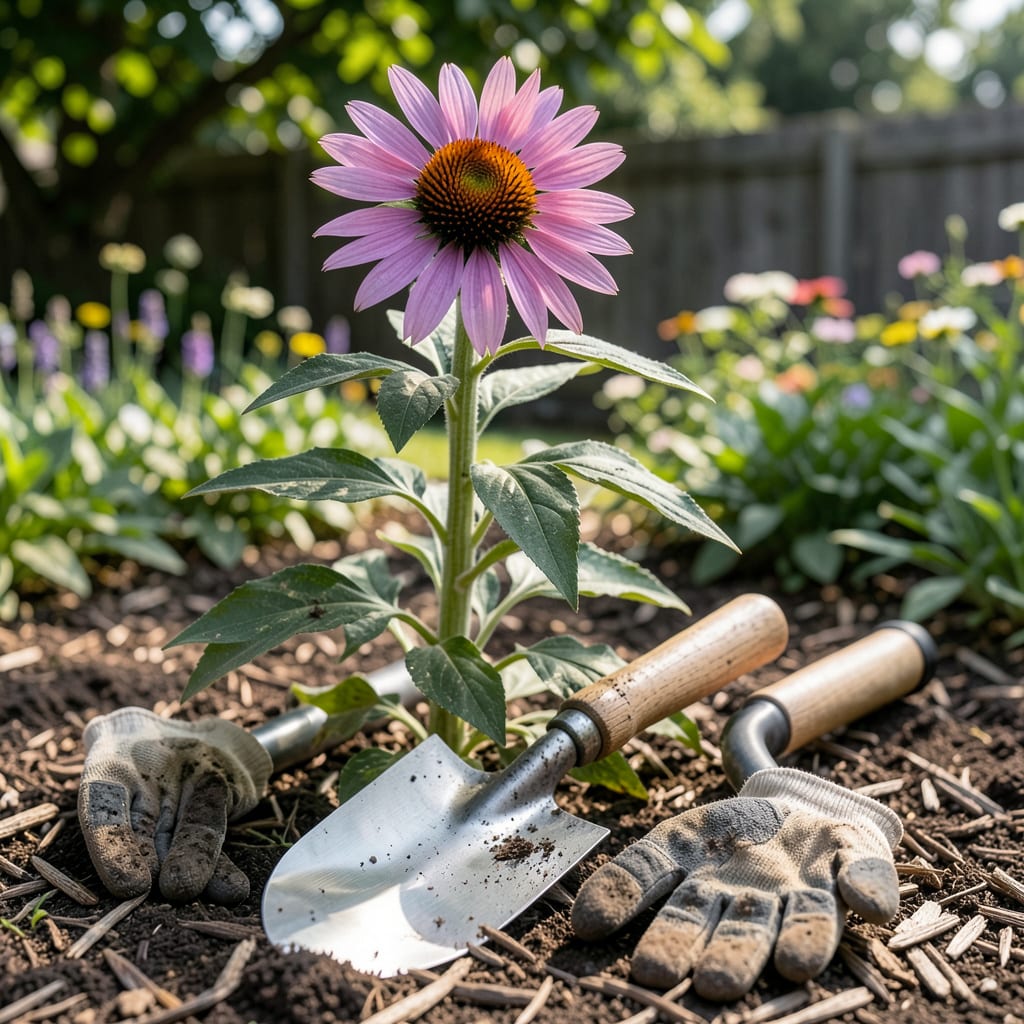
Timing can make or break your Michigan garden—plant those 🌸 flowers too soon, and a late frost might wipe out weeks of work. Wait too long? You’ll miss the best growing window for vibrant, healthy blooms.
After years of testing what thrives in Zone 6a, I’ve nailed the perfect schedule for Michigan’s finicky climate. Let me show you exactly when to get those roots in the ground—so your garden bursts with color all season long.
Michigan’s unpredictable weather can turn flower planting into a guessing game. One week it’s sunny and 60°F, the next you’re scraping frost off your windshield. After years of trial and error in my own Zone 6a garden, I’ve learned that timing isn’t just important—it’s everything.
The key? Working backward from our average last frost date (May 15) and forward from the first frost (October 15). But here’s the catch: Michigan’s Upper Peninsula and Lower Peninsula can vary by 2-3 weeks. Let me break it down season by season.
| Season | Plant Type | Ideal Months | Soil Temp | Key Examples |
|---|---|---|---|---|
| Early Spring | Cold-hardy annuals | April | 40-50°F | Pansies, snapdragons |
| Late Spring | Tender annuals | May 15-June 1 | 50-60°F | Marigolds, petunias |
| Summer | Heat-lovers | June-July | 60-70°F | Zinnias, cosmos |
| Fall | Bulbs, perennials | Sept-Oct 1 | 50-60°F | Tulips, daffodils |
For spring planting, I never put tender annuals in the ground before Mother’s Day (May’s second Sunday). That’s when soil temps reliably hit 50°F—critical for roots to establish. Pro tip: Use a soil thermometer to check 2 inches deep at 9 AM.
Summer plantings need extra attention. The July heat can stress new plants, so I always mulch heavily and water at dawn. Heat-tolerant varieties like portulaca or lantana thrive when others wilt. Remember: afternoon sun in Michigan is stronger than morning sun!
Fall is all about bulb planting. Get those tulips and daffodils in by October 1—they need 6 weeks of cool soil (below 60°F) to develop roots before winter. I mark my calendar for September 15 to start prepping beds with compost.
Here’s a Michigan-specific trick: Watch the maple trees. When their leaves are pea-sized in spring, soil’s warm enough for most flowers. In fall, when they start turning color, it’s time to plant spring-blooming bulbs and divide perennials.
Don’t forget microclimates! South-facing walls or urban areas can be 1-2 zones warmer. I’ve successfully grown geraniums in Detroit that wouldn’t survive in Marquette. Use the USDA Plant Hardiness Zone Finder to check your exact location.
For Upper Peninsula gardeners, subtract 2 weeks from these dates. Your growing season is shorter, so focus on fast-maturing varieties like calendula or sweet alyssum. Downstate? You’ve got more flexibility—just watch for those sneaky late May frosts!
Always have frost protection ready—even in June. I keep old bedsheets and 5-gallon buckets handy for surprise cold snaps. A $10 soil thermometer has saved me hundreds in dead plants over the years. Trust me, it’s worth the investment!
Remember: These are guidelines, not rules. Last year I planted zinnias in early June during a cool spell, and they outperformed my May planting. Watch your local weather, not just the calendar. When in doubt, wait a week—it’s better than losing plants to frost! 🌱
Michigan’s diverse hardiness zones (4-6) mean what thrives in Traverse City might struggle in Detroit. After testing dozens of varieties, I’ve found the real winners for our climate—flowers that laugh at late frosts and bounce back from summer droughts.
Here’s my zone-specific shortlist: In Zone 4 (Upper Peninsula), focus on native wildflowers like butterfly weed and columbine. Downstate in Zone 6, you can push the envelope with dahlias and cannas—if you’re ready to dig tubers in fall.
| Zone | Top Perennials | Best Annuals | Native Stars | Pro Tip |
|---|---|---|---|---|
| Zone 4 | Coneflowers, bee balm | Pansies, snapdragons | Wild bergamot, lupine | Use black plastic mulch to warm soil |
| Zone 5 | Black-eyed Susans, phlox | Marigolds, cosmos | Butterfly milkweed, blazing star | Plant succession crops every 2 weeks |
| Zone 6 | Daylilies, hostas | Zinnias, petunias | Wild indigo, cardinal flower | Try heat-tolerant varieties like ‘Profusion’ zinnias |
For pollinator gardens, I swear by purple coneflowers and milkweed. They’re drought-tolerant once established and attract monarch butterflies like magnets. Pair them with Russian sage for a late-summer nectar buffet.
Clay soil got you down? Try bee balm and yarrow—they thrive in heavy soil while improving drainage. I’ve seen yarrow grow in pure roadside gravel! For sandy soil (common near lakes), lavender and sedum are your best friends.
Don’t overlook fall-blooming flowers like asters and goldenrod. They extend your color season and provide critical late food for bees. I plant mine in July so they’re established before autumn’s first frost.
Here’s my #1 Michigan gardening hack: Plant in threes. Whether it’s three sunflowers or three clusters of tulips, odd numbers create natural-looking drifts that mimic wild meadows. Your garden will look designer-planned with minimal effort!
Remember, native plants like wild geranium and foamflower require zero fertilizer and less water once established. They’ve evolved with our Michigan weather—so they’re naturally equipped to handle whatever Mother Nature throws at them. 🌿
Even experienced gardeners make mistakes when planting flowers in Michigan. After ruining my fair share of petunias and tulips, I’ve learned the hard way what not to do. Let me save you the heartache with these critical pitfalls to avoid.
The biggest error? Ignoring microclimates. Your front yard might be Zone 5, but that shady north side could act like Zone 4. I once lost an entire bed of dahlias by planting them in what I thought was full sun—only to realize the neighbor’s maple tree blocked afternoon light.
Another costly mistake? Using the wrong mulch. I once covered my lilies with thick wood chips—big error! It kept the soil too moist, causing rot. For flowers, use shredded leaves or straw instead—they allow better airflow while retaining moisture.
Don’t forget about plant spacing. Crowded flowers compete for nutrients and air circulation, leading to powdery mildew. Follow seed packet guidelines, and when in doubt, give them an extra inch. Your mature plants will thank you with bigger blooms and fewer diseases.
Finally, neglecting native plants is a missed opportunity. Native wildflowers like butterfly weed and black-eyed Susans require less water, no fertilizer, and attract pollinators. They’ve adapted to Michigan’s climate over centuries—why fight nature when you can work with it? 🌼
After Mother’s Day (second Sunday in May) is your safest bet. This aligns with our average last frost date (May 15) in most of Lower Michigan. For extra security, check that soil temps reach 50°F at 2-inch depth.
Subtract 2-3 weeks from Lower Peninsula dates. UP gardeners should wait until late May or early June for tender annuals. Focus on fast-maturing varieties like calendula or sweet alyssum due to the shorter growing season.
You can, but most flowers will struggle. Michigan’s heavy clay benefits from 3 inches of compost mixed in. For best results, try clay-tolerant plants like bee balm or yarrow while gradually improving your soil.
Start seeds indoors 6-8 weeks before last frost, then transplant. Use black plastic mulch to warm soil faster in spring. In fall, plant spring-blooming bulbs by October 1 for early color next year.
Keep frost blankets, old bedsheets, or 5-gallon buckets on hand. Cover plants before sunset to trap daytime heat. Remove covers by 10 AM to prevent overheating. Michigan’s weather is unpredictable—always be prepared!
