
Beautiful Plants For Your Interior
Beautiful Plants For Your Interior
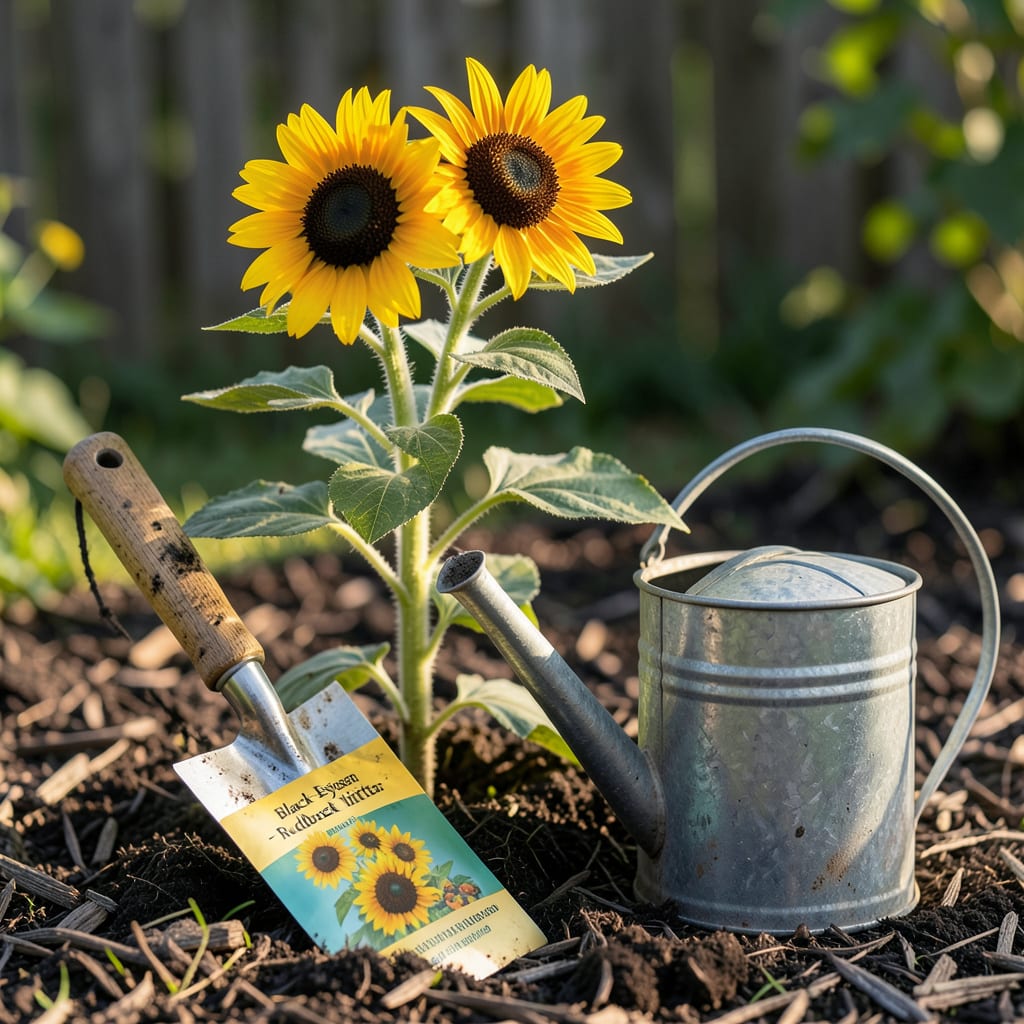
Timing your flower planting in Illinois can feel like a gamble—plant too soon, and a late frost could wipe out your garden. Wait too long, and you’ll miss the prime growing window for those vibrant blooms you’re dreaming of.
After years of testing what works in Zone 5’s unpredictable climate, I’ve nailed down the perfect schedule for planting 🌱 flowers—whether you’re in Chicago or downstate. Let’s break down the exact months to plant annuals, perennials, and bulbs so your garden thrives from spring through fall.
If you’ve ever wondered why your neighbor’s tulips bloom earlier or their marigolds last longer, it’s all about timing. In Zone 5 Illinois, our planting windows are dictated by frost dates and soil temperature—not just the calendar. I’ve learned the hard way that Mother’s Day isn’t just for brunch; it’s a critical marker for planting tender annuals like impatiens and petunias in northern Illinois.
Southern Illinois gardeners get a slight head start thanks to milder winters, but we all share the same golden rule: Wait until soil reaches 50°F for most flowers. That’s when roots start growing actively. For spring bulbs like daffodils, you’ll want to plant in fall—about 6 weeks before the ground freezes. Fall planting gives them time to establish roots before winter dormancy.
| Season | Plant Type | Ideal Window | Key Consideration |
|---|---|---|---|
| Early Spring | Cold-hardy annuals | March 15–April 1 | After soil thaws, before last frost |
| Late Spring | Tender annuals | May 1–May 15 | Wait until night temps stay above 50°F |
| Fall | Spring bulbs | Sept 15–Oct 15 | 6 weeks before ground freezes |
| Fall | Perennials | Aug 15–Sept 30 | Allows root establishment before winter |
*Based on average Zone 5 conditions. Adjust for microclimates.
For spring planting, I always check the 10-day forecast before putting plants in the ground. Our average last frost is April 15 in central Illinois, but I’ve seen frost as late as May 5. That’s why I keep frost blankets handy for early plantings. Pansies and snapdragons can handle light frosts, but geraniums and coleus will turn to mush if caught in a late freeze.
The fall planting window is often overlooked but crucial for spring blooms. I plant my tulip bulbs by October 15 to ensure they get enough chilling time. For perennials, September is ideal—it gives them 6-8 weeks to establish roots before winter. I’ve found that cone flowers and black-eyed Susans planted in fall perform better the following year than spring-planted ones.
Here’s my pro tip for soil temperature: Use a meat thermometer (yes, really!) to check your soil at 4-inch depth. Most flowers need 50-60°F soil to thrive. In early spring, you can warm your soil faster by covering planting areas with black plastic for a week before planting. This trick has helped me get my zinnia seeds started earlier with great success.
Don’t forget about microclimates in your yard. South-facing beds warm up faster in spring, while north-facing areas stay cooler. I plant my heat-loving vinca in the sunny spots first, saving the shadier areas for astilbe and hostas. Urban gardeners should note that city areas are often 5-10°F warmer than rural zones, allowing for slightly earlier planting.
For container gardeners, the rules are slightly different. Potted plants are more vulnerable to temperature swings, so I wait until night temperatures stay above 55°F before moving my containers outside. This usually means mid-May for most of Illinois. Remember that terracotta pots dry out faster than plastic ones, so you’ll need to monitor moisture closely in our summer heat waves.
If you’re new to Illinois gardening, start with these foolproof timing rules: Plant pansies as soon as the ground can be worked in spring, marigolds after Mother’s Day, and mums in late August for fall color. For bulbs, the old saying “plant when you can see your breath” in fall works surprisingly well for our Zone 5 climate.
Finally, keep a garden journal to track your planting dates and results each year. Our Illinois weather is becoming more unpredictable with climate change, so your personal records will become more valuable than any general guide. I’ve noticed my dahlias are blooming nearly two weeks earlier than they did a decade ago—adjusting my planting schedule accordingly has kept my garden thriving.
After testing dozens of varieties in my Zone 5 Illinois garden, I’ve identified the top-performing flowers that thrive in our climate. The secret isn’t just picking beautiful blooms—it’s matching them to our specific planting windows. Let me share my tried-and-true favorites with their perfect timing.
For early spring color, nothing beats pansies and snapdragons. These cold-hardy annuals laugh at light frosts and start blooming when most plants are still waking up. I plant them as soon as the ground is workable—usually mid-March in southern Illinois and early April up north. They’ll give you color until summer heat sets in.
If you’re looking for summer showstoppers, zinnias and cosmos should be at the top of your list. I direct-sow these seeds around May 10 after our last frost date. They grow quickly in our warm summers and attract beneficial insects. For containers, geraniums and angelonia handle our humid heat waves better than most annuals.
For fall color, you can’t go wrong with chrysanthemums and asters. I plant these in late August for September-October blooms. They’re perfect for extending your garden’s color when most summer flowers are fading. Pair them with ornamental kale for a stunning cool-weather display that lasts until hard frost.
Don’t overlook native Illinois wildflowers like butterfly weed and wild bergamot. These plants are perfectly adapted to our climate and soil. I plant them in early spring or fall, and they require almost no maintenance once established. They’re also magnets for monarch butterflies and other pollinators.
For shady spots, hostas and astilbes are my go-to perennials. Plant them in spring or early fall in well-amended soil. The key with shade plants is consistent moisture—our Illinois summers can be tough on them. I add a thick layer of shredded leaf mulch to help retain moisture and keep roots cool.
Remember, our Illinois climate is changing—what worked 10 years ago might need adjustment now. I’ve noticed my dahlias are blooming nearly two weeks earlier than they used to. Keep records of what thrives in your specific location, and don’t be afraid to experiment with planting times. That’s how I discovered that sweet alyssum planted in late September often overwinters and blooms again in spring!
After years of trial and error in my Zone 5 Illinois garden, I’ve seen even experienced gardeners make critical mistakes that sabotage their flower success. The biggest issue? Ignoring our unpredictable weather and assuming national planting guidelines apply here. Let me save you from the heartbreak of lost blooms by sharing the most common pitfalls.
One of the worst mistakes I see is planting too early in spring. I’ve lost countless geraniums and impatiens to late frosts by jumping the gun. Remember, our average last frost is April 15, but I’ve seen frost as late as May 5 in central Illinois. Always check the 10-day forecast before planting tender annuals.
Another costly error is misjudging fall planting. Many gardeners wait too long to plant spring bulbs like tulips and daffodils. These need 6 weeks in the ground before it freezes to establish roots. I aim to have all my bulbs planted by October 15—earlier if we’re having a cold autumn. Late planting often results in poor blooms or no flowers at all.
I’ve also seen gardeners struggle with soil temperature ignorance. Most flowers need soil temps above 50°F to grow properly. I use a simple soil thermometer to check conditions at 4-inch depth. Planting in cold soil leads to poor germination and stunted growth. For warm-season flowers like zinnias and cosmos, I wait until soil reaches 60°F for best results.
Finally, don’t overlook watering mistakes. Newly planted flowers need consistent moisture for the first 2-3 weeks, but many gardeners either drown them or let them dry out. I use the finger test—stick your finger 1 inch into the soil. If it’s dry, water deeply. Also, avoid overhead watering in evening to prevent fungal diseases that thrive in our humid summers.
Use a simple meat thermometer to check soil temperature at 4-inch depth. Most flowers need 50-60°F soil to thrive. In early spring, you can warm soil faster by covering planting areas with black plastic for a week before planting.
Yes, but wait until night temperatures stay above 55°F. Containers are more vulnerable to temperature swings. I recommend mid-May for most of Illinois. Remember that terracotta pots dry out faster, so monitor moisture closely during summer heat waves.
Bulbs need 6 weeks in the ground before it freezes to establish roots. Late planting often results in poor blooms or no flowers at all. Aim to have all bulbs planted by October 15—earlier if autumn is particularly cold.
South-facing beds warm up faster in spring, while north-facing areas stay cooler. Urban areas are often 5-10°F warmer than rural zones. Plant heat-loving flowers like vinca in sunny spots first, saving shadier areas for astilbe and hostas.
Keep frost blankets handy for early spring plantings. Pansies and snapdragons can handle light frosts, but tender annuals like geraniums need protection. Always check the 10-day forecast before planting sensitive flowers.
