
Beautiful Plants For Your Interior
Beautiful Plants For Your Interior
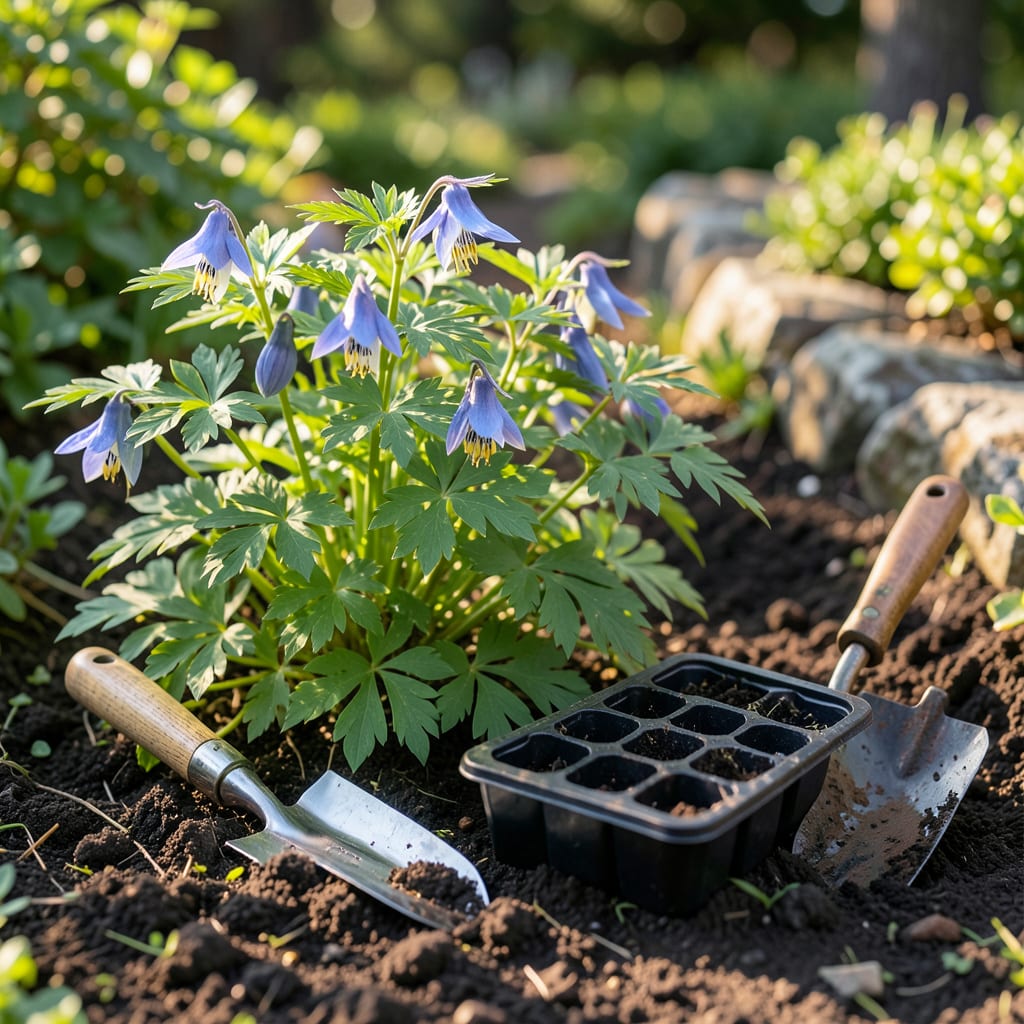
Colorado gardeners know the struggle—one day it’s sunny and 60°F, the next you’re scrambling to cover delicate 🌱 flowers from an unexpected late frost. That unpredictable swing between seasons makes timing everything when it comes to planting.
Get it right, and you’ll enjoy vibrant blooms from spring through fall. Get it wrong, and you might lose your entire garden to a freak May snowstorm. I’ll show you exactly when to plant for success—no matter where you live in the state.
If you’ve ever watched your petunias wilt overnight from a surprise May snowstorm, you know Colorado’s climate doesn’t play fair. The key to thriving flowers here? Matching your planting schedule to your specific region—whether you’re in Denver’s urban heat islands or the high-altitude mountains of Summit County. 🌱
Colorado’s three main zones—Front Range, Mountains, and Western Slope—each have wildly different frost dates and growing seasons. For example, Denver’s last frost averages May 5, while Aspen’s might not arrive until June 10. Timing isn’t just about the calendar; it’s about soil temperature and microclimates. ☀️
| Region | Last Frost Date | Ideal Planting Window | Best Flowers |
|---|---|---|---|
| Front Range (Denver, Boulder) |
May 5–15 | Mid-April–June (Start hardy annuals April 15+) |
Snapdragons, Pansies, Black-Eyed Susans |
| Mountains (Vail, Breckenridge) |
June 1–20 | Late May–July (Use row covers for warmth) |
Columbines, Lupines, Alpine Forget-Me-Nots |
| Western Slope (Grand Junction) |
April 20–30 | March–May (Earlier than Front Range!) |
Blanket Flowers, Yarrow, Desert Marigold |
Pro Tip: Soil temp should be 50°F+ for most flowers. Use a $10 soil thermometer to avoid guesswork!
In the Front Range, I start cold-hardy annuals like snapdragons and pansies as early as April 15—they can handle light frosts. But tender plants like geraniums or impatiens? Wait until after Mother’s Day (May 10+) to be safe. Urban areas like Denver may run 5–10°F warmer than suburbs due to heat islands. 🌡️
Up in the mountains, the rule is simple: later is better. I’ve lost count of how many gardeners jump the gun in late May, only to watch June snow wipe out their marigolds. Stick to native perennials like Columbines or Penstemons—they’re built for short seasons and thin air. For annuals, pre-start seeds indoors in March under grow lights. 🌼
The Western Slope is Colorado’s gardening secret weapon. With earlier last frosts (often April 20) and longer growing seasons, you can plant warm-season flowers like zinnias or cosmos by early May. Just watch for drought stress—mulch heavily and water deeply 2–3 times per week. 💧
For bulbs like tulips and daffodils, timing shifts too. Plant them in fall (October), but adjust by elevation: Front Range can plant until November 1, while mountain gardeners should finish by October 1. Add a 2-inch mulch layer to protect against freeze-thaw cycles. ✂️
Don’t forget soil prep—Colorado’s clay-heavy or rocky soil can stunt roots. I mix in 3 inches of compost and 1 inch of sand for better drainage. Test your soil’s pH too; most flowers thrive in 6.0–7.0. If it’s too alkaline (common here), amend with sulfur or peat moss. 🪴
Finally, watch the weather—not just the calendar. Colorado’s late-spring hail and temperature swings can ruin young plants. Keep frost blankets or milk jug cloches handy for unexpected cold snaps. I’ve saved countless petunias by covering them overnight when temps dip below 35°F. ❄️
Colorado’s fickle weather and short growing season mean even small mistakes can derail your flower garden. I’ve seen too many gardeners lose their petunias to late frosts or marigolds to drought—all because they overlooked key details. Let’s fix that. 🌱
One of the biggest errors? Ignoring soil temperature. Just because the air hits 60°F doesn’t mean the soil is ready. Most flowers need soil temps above 50°F to thrive. A $10 soil thermometer can save you from planting too early. ☀️
Quick Fix: Sign up for local frost alerts via Colorado State University Extension.
Another common mistake? Misjudging Colorado’s short season. The Front Range averages just 150–160 frost-free days, while the mountains may have fewer than 120. That’s why I start seeds indoors in March for annuals like zinnias or cosmos. 🌻
Watering wrong is another garden killer. Colorado’s low humidity and intense sun mean flowers dry out fast, but clay soil can drown roots if overwatered. My rule: 1 inch of water per week, delivered in 2–3 deep sessions. Use drip irrigation to avoid evaporation. 💧
Don’t overlook native flowers like Blanket Flowers or Rocky Mountain Penstemon. They’re drought-tolerant, cold-hardy, and thrive in our alkaline soil. I mix them with non-natives for a low-maintenance but vibrant garden. 🌼
Finally, protect against hail—Colorado’s spring storms can shred tender blooms. I use DIY hoop tunnels covered with 30% shade cloth for plants like impatiens or begonias. Even a laundry basket upside-down can shield plants in a pinch! ❄️
Colorado’s wild weather swings—from late-spring snow to summer hailstorms—can turn a thriving garden into a disaster overnight. The secret? Choosing cold-hardy flowers that laugh at 30°F nights and bounce back from golf-ball-sized hail. I’ve tested dozens, and these are my top picks. 🌼
For annuals, you can’t beat snapdragons and pansies. Both handle light frosts like champs and bloom nonstop from April to October. I plant them in early spring (even before last frost) for instant color. Pair them with ornamental kale for a frost-proof combo. ❄️
Pro Tip: Mulch with straw to insulate roots and reduce hail damage by 50%!
For perennials, Columbines and Penstemons are my go-tos. They’re native to Colorado, so they handle drought, poor soil, and temperature swings without skipping a beat. I plant them in fall or early spring for year-round resilience. Their deep roots also prevent hail uprooting. 🌱
If you love bold colors, try Blanket Flowers (Gaillardia). They bloom June to September, attract pollinators, and tolerate heat waves and late frosts equally well. For shady spots, Bleeding Hearts thrive in cold, moist soil and come back every year. ✂️
Don’t forget protection strategies! I use DIY cloches (cut plastic bottles) for young plants and shade cloth to soften hail impact. For container gardens, move pots under covered patios during storms. And always water deeply before a freeze—hydrated roots survive cold better. 💧
Finally, timing matters even with hardy flowers. Plant pansies and snapdragons in early April (Front Range) or late May (mountains). For perennials, fall planting (September) gives roots a head start. And if hail strikes? Prune damaged leaves and fertilize with fish emulsion to speed recovery. ☀️
For the Front Range, wait until after May 5 for tender annuals like geraniums or impatiens. Cold-hardy flowers like pansies can go in as early as mid-April. Always check the 10-day forecast for late frosts.
The Western Slope has an earlier last frost (around April 20). You can start warm-season flowers like zinnias by early May, while Denver gardeners should wait until mid-May.
Use frost blankets or DIY cloches (like cut plastic jugs) to shield young plants. Stick to native perennials like Columbines—they handle June snow better than tender annuals.
Mix in 3 inches of compost and 1 inch of sand to improve drainage. Test soil pH—most flowers prefer 6.0–7.0. If it’s too alkaline, amend with sulfur or peat moss.
Water deeply but less often—1 inch per week in 2–3 sessions. Use drip irrigation to reduce evaporation. Clay soil holds moisture, so overwatering causes root rot.
