
Beautiful Plants For Your Interior
Beautiful Plants For Your Interior
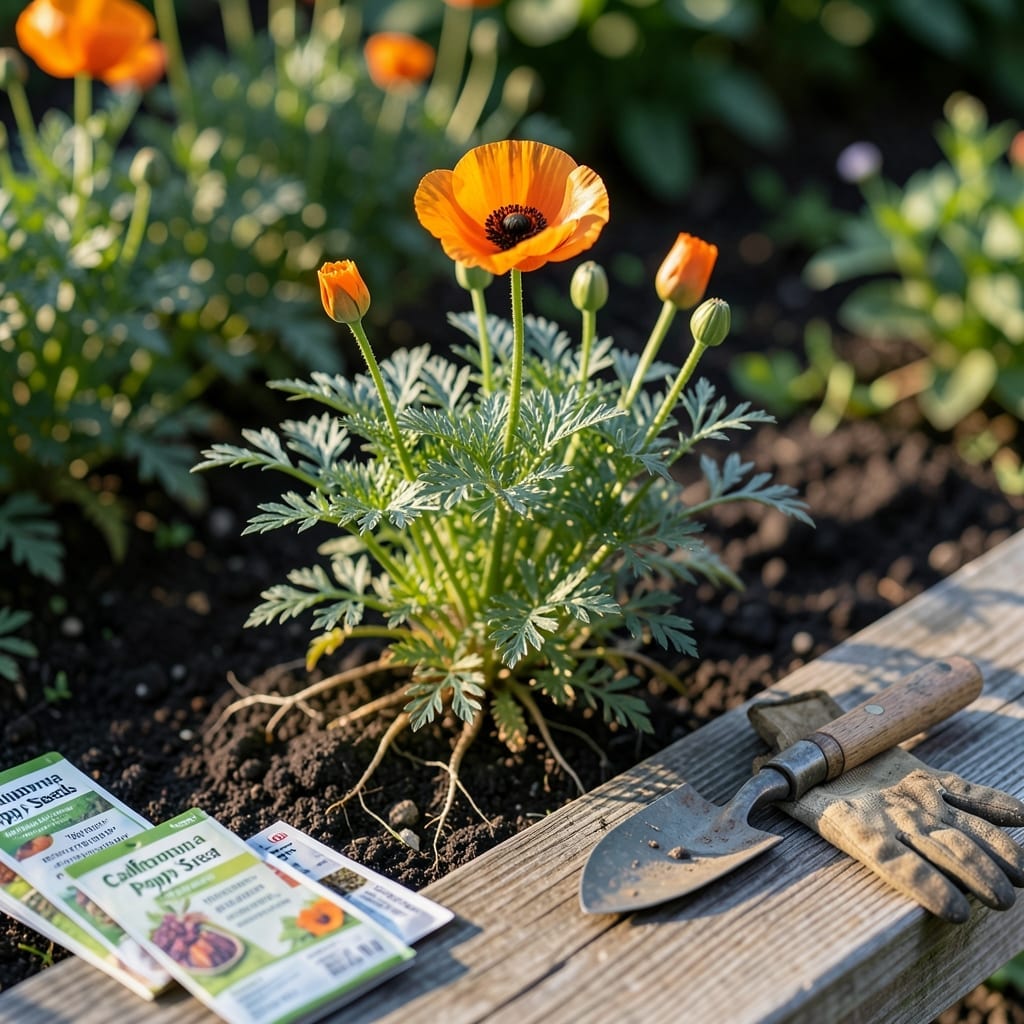
California’s diverse climate means the best planting time for 🌸 Flowers varies dramatically from the foggy coast to the scorching desert. Plant too early or too late, and your blooms may struggle to thrive.
I’ve learned that timing is everything when it comes to growing vibrant Flowers in zones 7a-10b. Whether you’re in San Francisco or San Diego, knowing your local conditions can make or break your garden.
What if you could maximize your blooms with just a little planning? I’ll share the most important seasonal insights to help your Flowers flourish year-round.
Let’s discover how to align your planting schedule with California’s unique climate for the best results.
California’s USDA zones range from 7a to 11, creating vastly different planting windows. In coastal areas like San Francisco, mild temps allow year-round planting for hardy varieties.
Inland regions, such as Sacramento, follow a traditional spring/fall schedule. Desert zones like Palm Springs require cool-season flowers in winter and early spring.
| Region | USDA Zone | Best Planting Months | Frost Dates |
|---|---|---|---|
| Coastal | 9-10 | Year-round (hardy varieties) | None to Dec 15 |
| Inland Valleys | 7-9 | March-April, Sept-Oct | Nov 15 to Feb 15 |
| Desert | 8-11 | Oct-Mar | None to Jan 31 |
| Mountains | 6-8 | May-June | Sept 15 to May 15 |
For annual flowers, plant after the last frost date. In Zone 7 (like Redding), this is typically mid-April. Perennials do best when planted in early spring or fall.
In Zone 9 (Los Angeles), you can plant warm-season annuals like marigolds and zinnias as early as February. Cool-season flowers like pansies thrive from October to March.
For desert gardeners, heat-tolerant varieties like desert marigold or globemallow should be planted in fall or early spring. Avoid summer planting as temperatures exceed 100°F.
Microclimates matter too! A south-facing wall in San Francisco can be 10°F warmer than a shaded spot. Always check your specific location for the most accurate timing.
I recommend starting seeds indoors 6-8 weeks before the last frost for delicate varieties. This gives them a strong head start before transplanting outdoors.
Remember, soil temperature is as important as air temperature. Most flowers need soil temps above 60°F to germinate. Use a soil thermometer to be sure.
🌼Finally, watering needs vary by region. Coastal plants may need less water due to humidity, while desert flowers require deep, infrequent watering to establish roots.
🌵California’s mild winters and long growing seasons let me enjoy year-round blooms with the right planning. I focus on seasonal flowers that thrive in our unique climate zones. Spring and fall offer the most variety.
For spring planting, I love California poppies and lupines—they handle our dry summers beautifully. These native wildflowers establish quickly and need minimal water once settled.
In summer, I switch to drought-tolerant zinnias and sunflowers. These heat-lovers need well-draining soil and regular watering during our driest months. I always mulch to retain moisture.
Fall planting brings chrysanthemums and asters to my garden. These hardy perennials provide late-season color and often return year after year with minimal care. I plant them in early fall for best results.
For winter blooms, I rely on snapdragons and stock. These cool-season annuals tolerate mild frost and add vibrant colors when most other plants are dormant. They prefer cooler coastal areas.
I always match my flower choices to my specific microclimate. Coastal gardens can handle winter planting, while inland areas need more frost protection. This approach ensures healthy, thriving blooms all year long 🌷