
Beautiful Plants For Your Interior
Beautiful Plants For Your Interior
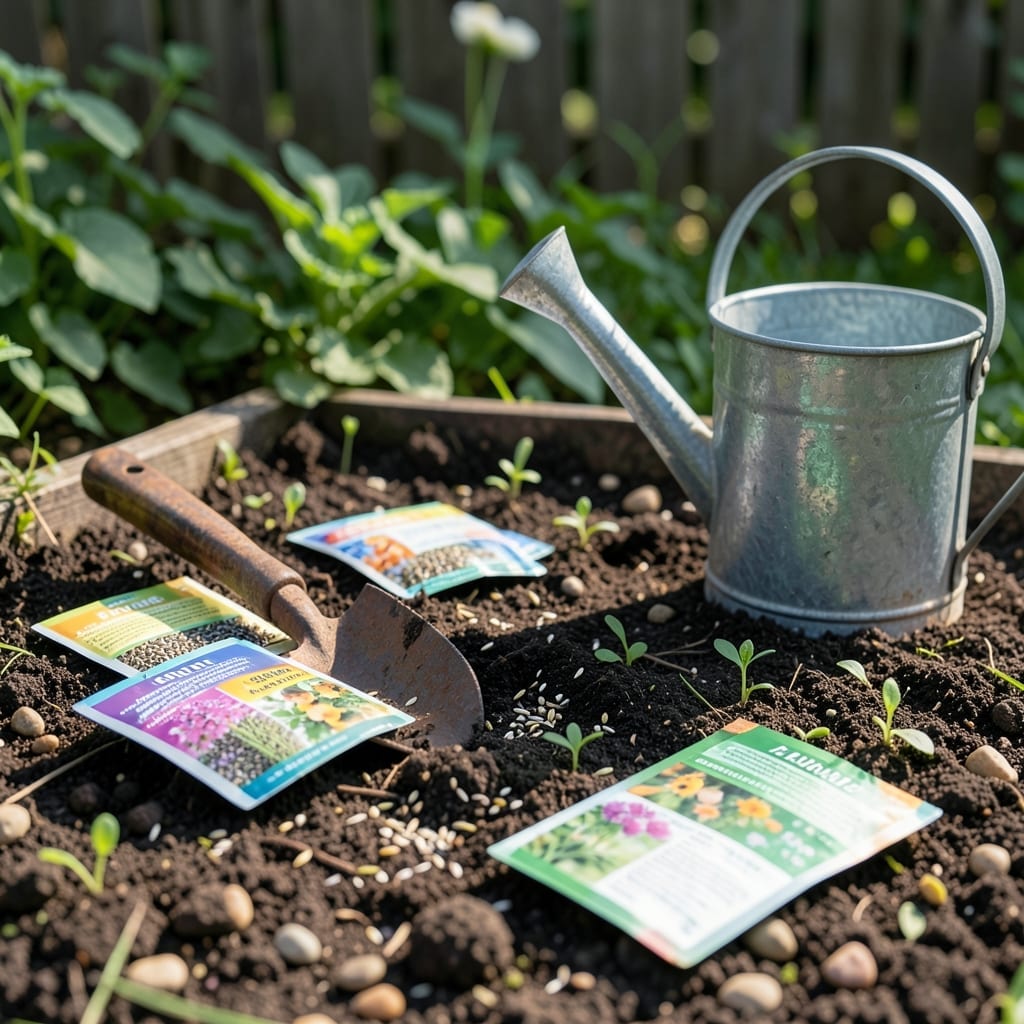
Timing is everything when planting Flower seeds in Texas—get it right, and you’ll enjoy vibrant blooms all season long. With Texas spanning multiple growing zones, knowing the ideal window for your area can mean the difference between a thriving garden and a disappointing one.
Texas gardeners in zones 8a-9b have two prime planting windows: early spring and fall. The 🌸 Flower seeds you choose and when you sow them will determine your success. Too early, and frost might ruin your efforts; too late, and the heat can stress young plants.
I’ve seen firsthand how proper timing transforms a garden. Whether you’re planting annuals or perennials, aligning with Texas’ unique climate ensures stronger plants and more abundant blooms. Let me walk you through the most effective approach.
Discover the exact months to plant for your region and learn how to make the most of each growing season. With these insights, you’ll set your garden up for success from the very first seed.
Texas spans USDA zones 6-10, so your planting window varies dramatically. I always check my local frost dates first—North Texas gardens often plant later than South Texas ones. This regional diversity means you can grow everything from cold-hardy pansies to heat-loving lantanas.
The key is matching flower types to your zone’s climate. In Zone 6 (North Texas), wait until after the last frost (usually mid-March). But in Zone 10 (South Texas), you can start seeds as early as January.
| Region | Zone | Spring Planting | Fall Planting |
|---|---|---|---|
| North Texas | 6-7 | March-April | Sept-Oct |
| Central Texas | 8a-8b | Feb-March | Oct-Nov |
| East Texas | 7b-8a | March-April | Sept-Oct |
| South Texas | 9-10 | Jan-Feb | Oct-Dec |
For annual flowers like zinnias and marigolds, I plant after the soil warms to 60°F. This usually happens in late March for most of Texas. But perennials often need an earlier start to establish roots before summer heat.
Wildflowers are a Texas specialty. Scatter bluebonnet seeds in September-October for spring blooms. They need cold stratification, so fall planting is crucial. I learned this the hard way after my first spring sowing failed completely.
In Zone 8 (Austin, San Antonio), I’ve had great success with two planting windows. Early spring for cosmos and sunflowers, then a fall planting of snapdragons and pansies for winter color.
The Texas heat can be brutal on young seedlings. I always use shade cloth for the first week after germination. This is especially important for delicate varieties like impatiens that wilt in direct afternoon sun.
Don’t forget about soil temperature. Even if air temps are warm, seeds won’t germinate in cold soil. I use a soil thermometer to check—70°F is ideal for most flowers. In cooler zones, black plastic mulch can help warm the soil faster.
For fall planting, count backward from your first frost date. Most flowers need 6-8 weeks to establish before cold weather. In Dallas (Zone 8a), that means planting by mid-September for best results.
I’ve found that succession planting works wonders in Texas. Every 2-3 weeks, I sow a new batch of fast-growing annuals like nasturtiums. This ensures continuous blooms from spring through fall.
Remember, these are guidelines. Watch your local weather and adjust as needed. Texas weather can be unpredictable, and I’ve had to replant after unexpected late frosts or early heatwaves.
Texas gardeners have a fantastic selection of flower seeds that thrive in our unique climate. From iconic bluebonnets to heat-loving zinnias, picking the right variety is key to success. I always recommend matching flowers to your USDA zone for best results.
For North Texas (Zones 6-7), focus on cool-season annuals like pansies and snapdragons in early spring. In Central Texas (Zone 8), black-eyed Susans and marigolds perform beautifully when planted in March.
In South Texas (Zones 9-10), I suggest planting heat-tolerant varieties like portulaca and vinca as early as February. These flowers handle the intense summer heat beautifully.
Wildflower mixes are another great option for Texas gardeners. I love scattering these in fall for a spring wildflower meadow. They’re low-maintenance and attract pollinators like bees and butterflies.
Remember, soil temperature is crucial. Most flower seeds need soil temps of at least 60°F to germinate. I always use a soil thermometer to check before planting.
For the best results, I recommend starting seeds indoors 6-8 weeks before the last frost date in your area. This gives them a head start before transplanting outdoors.