
Beautiful Plants For Your Interior
Beautiful Plants For Your Interior
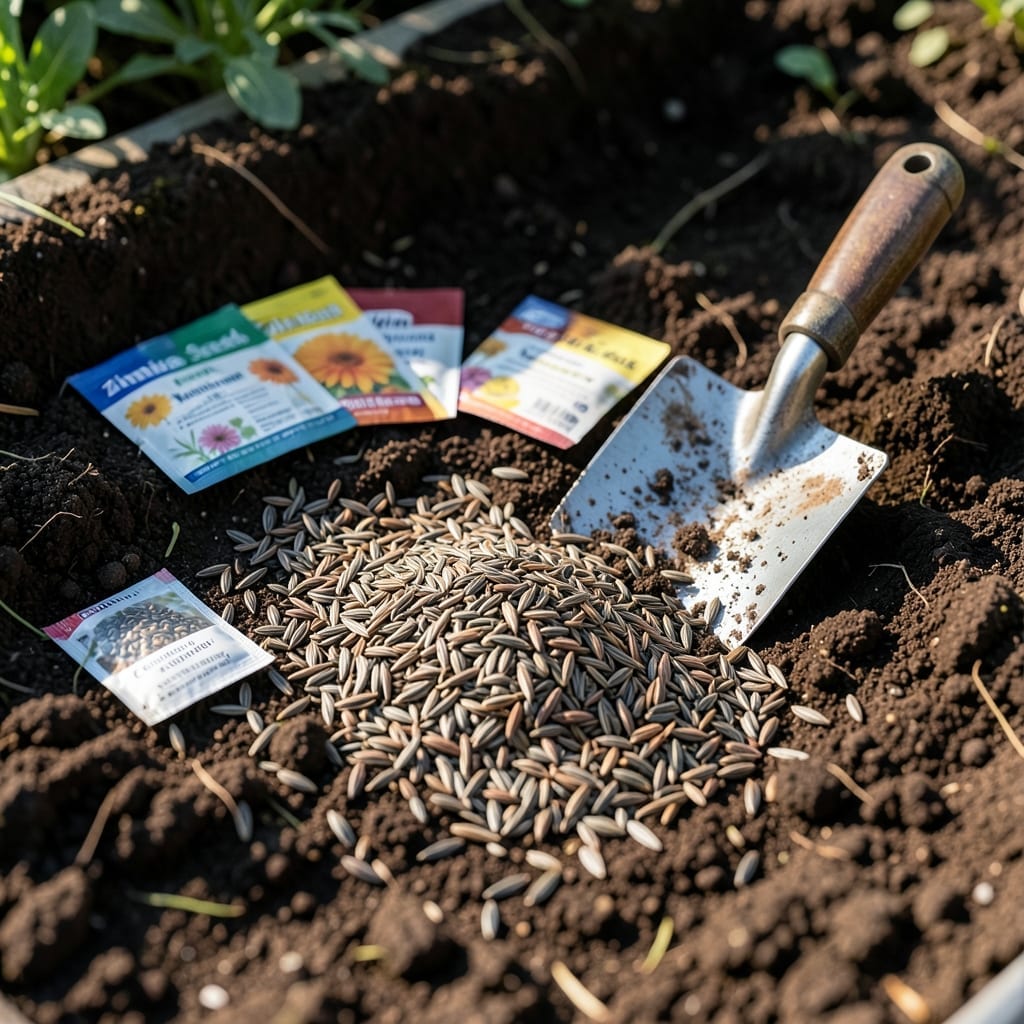
Timing is everything when planting 🌸 Flower seeds in Minnesota. Start too early, and a late frost could wipe out your hard work. Wait too long, and you might miss the best growing window.
In our 4a-4b zone, the sweet spot is usually between April and May. But the exact timing depends on your specific location and the flower variety you’re growing.
I’ve learned through trial and error that watching soil temperature is just as important as the calendar. Most Flower seeds need soil that’s at least 60°F to germinate properly.
Let me walk you through how to get this right for your Minnesota garden. The difference between a lackluster season and a spectacular bloom starts with when you plant.
Getting the timing right for flower seeds in Minnesota means knowing your frost-free dates. In Northern Minnesota, the last frost typically hits around May 15, while Central regions see it closer to May 10. 🌱
Southern Minnesota gardeners often get a head start with the last frost around April 25. These dates are your green light for direct sowing most annual flowers like marigolds and zinnias. ☀️
| Region | Last Frost Date | First Frost Date | Frost-Free Days |
|---|---|---|---|
| Northern Minnesota | May 15 | September 20 | 128 |
| Central Minnesota | May 10 | September 25 | 138 |
| Southern Minnesota | April 25 | October 1 | 160 |
*Dates are averages—always check local forecasts for microclimate variations.
For perennial flowers like coneflowers and black-eyed Susans, I recommend starting seeds indoors 6-8 weeks before your last frost. This gives them a strong head start in our short growing season. 🌿
Soil temperature is just as crucial as air temperature. Most flower seeds need soil that’s at least 60°F to germinate properly. Use a soil thermometer to check—don’t guess!
In Northern Minnesota, where the season is shorter, I focus on fast-growing annuals like nasturtiums and calendula. These can go in the ground as soon as the soil is workable, often 2-3 weeks before the last frost. ✂️
Central Minnesota gardeners have more flexibility. I’ve had great success with direct-sown cosmos and sunflowers planted right after the last frost date. They thrive in our warmer summers.
For Southern Minnesota, the longer season lets me experiment with tender annuals like cleome and salvia. These need warmer soil, so I wait until early May to plant.
Remember, Minnesota weather can be unpredictable. Even after the average last frost, I always keep row covers or frost blankets handy for those surprise cold snaps. It’s saved my young seedlings more than once!
If you’re eager to get started, cold-hardy annuals like pansies and snapdragons can tolerate light frosts. I plant these 2-3 weeks before the last frost for early color. 🌼
Minnesota’s weather can be a gardeners nightmare with late frosts and sudden heatwaves. I’ve learned to watch the forecast closely and adjust my planting schedule accordingly. Succession planting helps me keep blooms coming all season long 🌿
When a late frost threatens, I use row covers or cloches to protect tender seedlings. Starting seeds indoors 6-8 weeks before the last frost gives them a head start. Direct sowing works best for hardy annuals like sweet peas and poppies.
For perennial flowers, I plant in early fall to give roots time to establish before winter. This works especially well for cone flowers and black-eyed Susans. Always check your local frost dates as they can vary by weeks across the state.
If you’re direct sowing, wait until soil temperatures reach at least 60°F. I use a soil thermometer to be sure. For cool-season flowers like pansies, I plant as soon as the ground can be worked in early spring.
Don’t forget about succession planting every 2-3 weeks for continuous blooms. This technique works wonderfully with zinnia and cosmos seeds. I’ve found it extends my flower season by 4-6 weeks each year ✂️
Finally, always have a backup plan for extreme weather. I keep frost blankets and shade cloth on hand. Remember, Minnesota’s growing season may be short, but with the right timing, your garden can be vibrant and full of color ☀️