
Beautiful Plants For Your Interior
Beautiful Plants For Your Interior
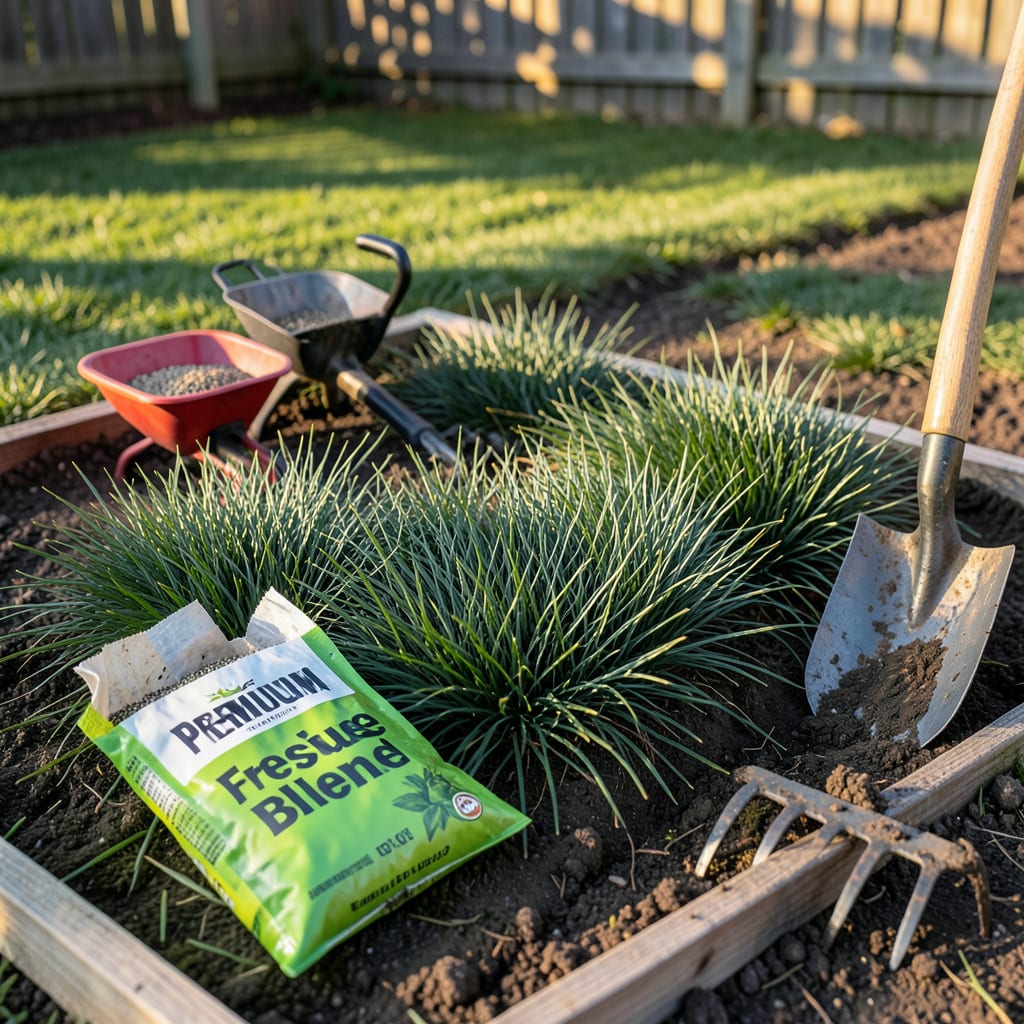
Your Tennessee lawn could be the envy of the neighborhood—or a patchy disappointment. The difference often comes down to one critical decision: when you plant your 🌾 fescue. Get it right, and you’ll enjoy a lush, resilient lawn that thrives through heat and cold.
After years of testing and local expertise, I’ve nailed down the exact windows for seeding in Tennessee’s unpredictable climate. Whether you’re in Memphis or the Smokies, I’ll show you how to time it perfectly—so your grass takes root strong and stays green longer.
If you want a thick, resilient fescue lawn in Tennessee, timing is your secret weapon. The optimal window for planting is early fall—specifically August through October—when soil temperatures hover between 50–65°F. This gives roots time to establish before winter.
But Tennessee’s climate varies dramatically from Memphis to Mountain City. Your exact planting dates depend on whether you’re in East, Middle, or West TN. Let’s break it down so you don’t waste seed or effort.
Why does fall planting outperform spring? Cool soil encourages deep root growth without the pressure of summer heat. Plus, fewer weeds compete with new seedlings. If you miss fall, early spring is your second-best option—but avoid late spring plantings.
In West Tennessee, where summers are brutal, I recommend planting by September 1 to give roots a head start. Middle TN gardeners have more flexibility, but don’t push past mid-October. East TN’s higher elevation means you can plant later—even into late October.
Soil temperature is your best guide. Use a soil thermometer to check depths of 2–3 inches. If it’s consistently below 65°F, you’re in the sweet spot. Avoid planting if nighttime temps drop below 50°F—roots won’t establish properly.
Spring planting? It’s riskier. February–March works if you’re prepared for extra watering and weed control. The challenge? Young fescue struggles with Tennessee’s sudden heat spikes in May. If you go this route, choose drought-tolerant varieties like ‘Titan’ or ‘Kentucky 31’.
Pro tip: Watch the 10-day forecast before seeding. If heavy rain is expected, delay planting—eroding seeds won’t germinate evenly. And always water lightly daily for the first 2–3 weeks to keep soil moist but not soggy.
Still unsure? Contact your local UT Extension office for hyper-local advice. They often provide free soil tests and region-specific guides. A little extra research now saves months of frustration later.
Remember: Fescue planted at the right time needs less water, fewer weeds, and minimal fertilizer to thrive. Get the timing wrong, and you’ll fight an uphill battle all season. Your lawn’s success starts with the calendar!
🌱Now that you know when to plant, let’s tackle the how. Preparing your soil properly is half the battle in Tennessee’s varied conditions. I always start with a soil test—our state’s clay-heavy soils often need pH adjustments (aim for 6.0–7.0).
Loosen compacted soil to 4–6 inches deep using a tiller or garden fork. This is especially critical in West TN, where dense clay can suffocate new roots. Mix in 2–3 inches of compost to improve drainage and nutrient retention. For sloped areas, consider terracing to prevent seed washout.
For seeding methods, I prefer a drill seeder for precision, but broadcast spreaders work well for DIYers. Avoid planting before heavy rain—seed washout is a common mistake. If using a fescue blend, check the label for endophyte-enhanced varieties—they resist pests better.
Watering is where most Tennesseans go wrong. New fescue needs consistent moisture, but overwatering causes fungal issues. Use a rain gauge to track 1 inch per week. In East TN’s cooler climate, morning watering prevents overnight dampness that invites disease.
Your first mowing should happen when grass reaches 3–4 inches tall. Set your mower to 2.5–3 inches to encourage deep roots. Avoid heavy foot traffic for 6–8 weeks post-planting. If weeds appear, hand-pull them—herbicides can harm young fescue.
For long-term success, test your soil annually and adjust lime or sulfur as needed. Tennessee’s acidic soils often require lime applications every 2–3 years. And remember: Fall aeration (every 2 years) keeps roots healthy in our compacted soils.
🌱When choosing grass for your Tennessee lawn, fescue stands out among cool-season options. Unlike Kentucky bluegrass or ryegrass, fescue handles our humid summers and variable winters with remarkable resilience. Its deep root system makes it drought-tolerant once established.
Fescue also excels in partial shade, where bluegrass struggles. In Tennessee’s mixed sun conditions, this adaptability is a game-changer. Plus, fescue requires less frequent mowing than ryegrass, saving you time and effort throughout the growing season.
Cost-wise, fescue seed is more expensive upfront than ryegrass, but its long-term durability offsets this. In Tennessee’s climate, you’ll spend less on water and fewer replacements over time. For high-traffic areas, consider blending fescue with bluegrass for added resilience.
One of fescue’s biggest advantages? Its disease resistance in Tennessee’s humid conditions. While bluegrass often struggles with brown patch or dollar spot, fescue’s thick blades naturally deter many common lawn diseases. This means fewer fungicides and healthier turf year-round.
For Tennessee lawns, I recommend turf-type tall fescue varieties like ‘Titan’ or ‘Falcon’. These modern cultivars offer finer blades and better heat tolerance than traditional Kentucky 31. They’re perfect for our transition zone climate, where summers get hot but winters stay cold.
Remember: While fescue thrives in Tennessee, it’s not invincible. Avoid planting in low-lying areas where water pools, and always test your soil before seeding. With proper care, your fescue lawn will stay green longer and recover faster from stress than other cool-season grasses. 🌱
Planting in summer heat stresses young fescue, causing poor germination and weak roots. Tennessee’s July–August temps often exceed 85°F, which can kill seedlings. Wait until soil cools to 65°F or below for best results.
Yes! Blending fescue with 10–20% Kentucky bluegrass improves wear resistance. This combo works well in high-traffic areas while keeping fescue’s drought tolerance. Avoid mixing with warm-season grasses like Bermuda—they compete aggressively.
With proper care, fescue typically establishes in 60–90 days. You’ll see full coverage faster with daily light watering and starter fertilizer. Avoid heavy use until roots reach 2–3 inches deep (usually after 8 weeks).
Overwatering! Many assume more water helps, but soggy soil causes fungal diseases. Stick to 1 inch per week (including rain), and water in early morning. Also, skipping soil tests often leads to pH imbalances that stunt growth.
