
Beautiful Plants For Your Interior
Beautiful Plants For Your Interior
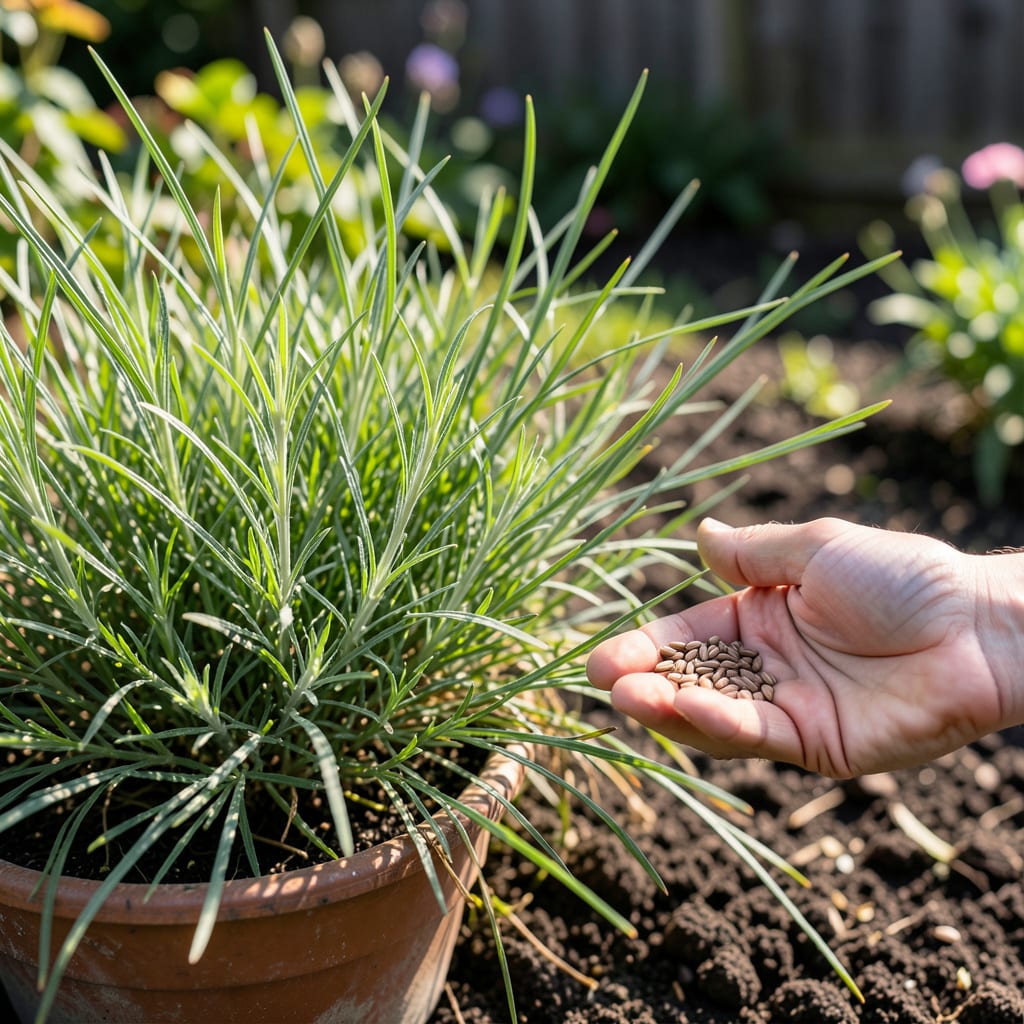
Planting Fescue Grass 🌿 in North Carolina requires careful timing to ensure a lush, healthy lawn. The ideal planting window is crucial for successful establishment and growth in the region’s climate.
In North Carolina’s 7b/8a zones, the best times to plant are during September-October or March-April. Understanding these seasonal windows helps you prepare for a thriving lawn.
Planting fescue grass in North Carolina requires understanding the ideal planting seasons to ensure successful establishment and growth. The state’s climate varies across regions, making timing crucial for a healthy lawn 🌿.
In North Carolina’s USDA zones 7b/8a, the optimal times to plant fescue are during the fall (September-October) or early spring (March-April). These periods offer the best conditions for seed germination and establishment 🌱.
The soil temperature is a critical factor when planting fescue. Ideal soil temperatures for germination range between 60°F to 75°F. In North Carolina, these temperatures are typically found during the recommended planting windows 🔥.
Weather conditions also play a significant role. Planting during periods of moderate rainfall and mild temperatures enhances seedling survival and establishment. Avoid planting during extreme weather conditions like drought or excessive rainfall ⛈️.
The regional climate variations within North Carolina affect the ideal planting times. In the mountain regions, the growing season is shorter, while the coastal areas have a longer growing season. Understanding these regional differences is essential for determining the best planting time 🌟.
By considering these factors and planting during the recommended seasons, you can ensure a successful fescue establishment and a lush, healthy lawn in North Carolina 🏠.
For more specific guidance tailored to your region, consult with local gardening experts or extension services. They can provide valuable insights into the specific needs of your area 📚.
Additionally, preparing your lawn before planting is crucial. This includes soil testing, removing existing lawn, and preparing the seedbed. Proper preparation sets the stage for successful fescue growth 🌱.
After planting, proper care is essential. This includes maintaining a consistent watering schedule, fertilizing at the right times, and mowing at the appropriate height. These practices help ensure the health and vitality of your fescue lawn 🌿.
By following these guidelines and understanding the specific needs of your region, you can enjoy a thriving fescue lawn in North Carolina. Proper timing and care are key to a successful and healthy lawn 🏡.
Proper preparation is key to successful fescue establishment in North Carolina. Before planting, it’s essential to prepare your lawn to ensure optimal growth and health 🌱.
First, conduct a soil test to determine your soil’s pH level and nutrient content. Fescue prefers slightly acidic to neutral soil with a pH between 6.0 and 7.0. Based on your soil test results, you may need to adjust the pH by adding lime to raise it or sulfur to lower it 🔬.
Clear the area of any existing lawn or weeds using a physical removal method or a non-selective herbicide. This step is crucial for preventing competition and ensuring good seed-to-soil contact 🌿.
Till the soil to a depth of 8-10 inches to loosen and aerate it. Then, rake the area to create a smooth, even surface. This preparation helps ensure good seed-to-soil contact, which is vital for germination 🌱.
Apply a starter fertilizer according to the manufacturer’s instructions. This provides essential nutrients for young seedlings, promoting healthy growth and establishment 🌟.
After preparing your lawn, it’s time to plant the fescue seed. Spread the seed evenly using a spreaders or by hand. Ensure the seed is applied at the recommended rate for your specific fescue variety 📦.
Maintaining newly planted fescue requires careful attention. Keep the soil consistently moist during the first few weeks after planting. Once established, fescue is relatively drought-tolerant, but it will still benefit from regular watering during dry spells 💧.
By following these steps and providing proper care, you can enjoy a lush, healthy fescue lawn in North Carolina. Proper preparation and maintenance are key to successful establishment and long-term health 🏠.
After planting fescue grass in North Carolina, proper care is essential to ensure successful establishment and long-term health. Understanding the specific needs of your newly planted fescue will help you maintain a lush, healthy lawn 🌿.
One of the most critical aspects of post-planting care is maintaining a consistent watering schedule. Keep the soil consistently moist during the first few weeks after planting. Once established, fescue is relatively drought-tolerant, but it will still benefit from regular watering during dry spells 💧.
Water your fescue lawn in the early morning to minimize evaporation and reduce the risk of fungal diseases. Aim for about 1-2 inches of water per week, either from rainfall or irrigation.
Fertilization is another crucial aspect of post-planting care. Apply a balanced fertilizer (such as 10-10-10 NPK) according to the manufacturer’s instructions. Typically, fescue benefits from fertilization during the growing season, which in North Carolina is during the fall and spring 🌱.
Mowing practices also play a significant role in maintaining a healthy fescue lawn. Maintain your mower at a height of 2.5-3 inches to promote deep root growth and prevent weed invasion. Regular mowing encourages a dense, healthy turf 🛠️.
Common maintenance challenges for fescue lawns in North Carolina include dealing with weeds, pests, and diseases. Regularly inspect your lawn for signs of these issues and address them promptly to prevent damage 🌟.
By following these post-planting care tips, you can ensure your fescue lawn remains healthy and vibrant throughout the year. Proper care and attention to your lawn’s needs will result in a beautiful, thriving landscape 🏠.
For more specific guidance on maintaining your fescue lawn, consult with local gardening experts or extension services. They can provide valuable insights into the specific needs of your area and help you address any challenges you may encounter 📚.
The best times to plant fescue in North Carolina are during fall (September-October) or early spring (March-April). These periods offer optimal conditions for seed germination and establishment. Planting during these windows helps ensure a healthy and thriving lawn.
Before planting fescue, conduct a soil test to determine your soil’s pH and nutrient levels. Remove existing lawn or weeds, till the soil to 8-10 inches deep, and apply a starter fertilizer. Proper preparation sets the stage for successful fescue growth.
Keep the soil consistently moist during the first few weeks after planting. Water your fescue lawn in the early morning to minimize evaporation. Aim for about 1-2 inches of water per week, either from rainfall or irrigation.
After planting, maintain a consistent watering schedule, fertilize during the growing season, and mow at the appropriate height (2.5-3 inches). Regular maintenance helps ensure a healthy and vibrant fescue lawn.
