
Beautiful Plants For Your Interior
Beautiful Plants For Your Interior
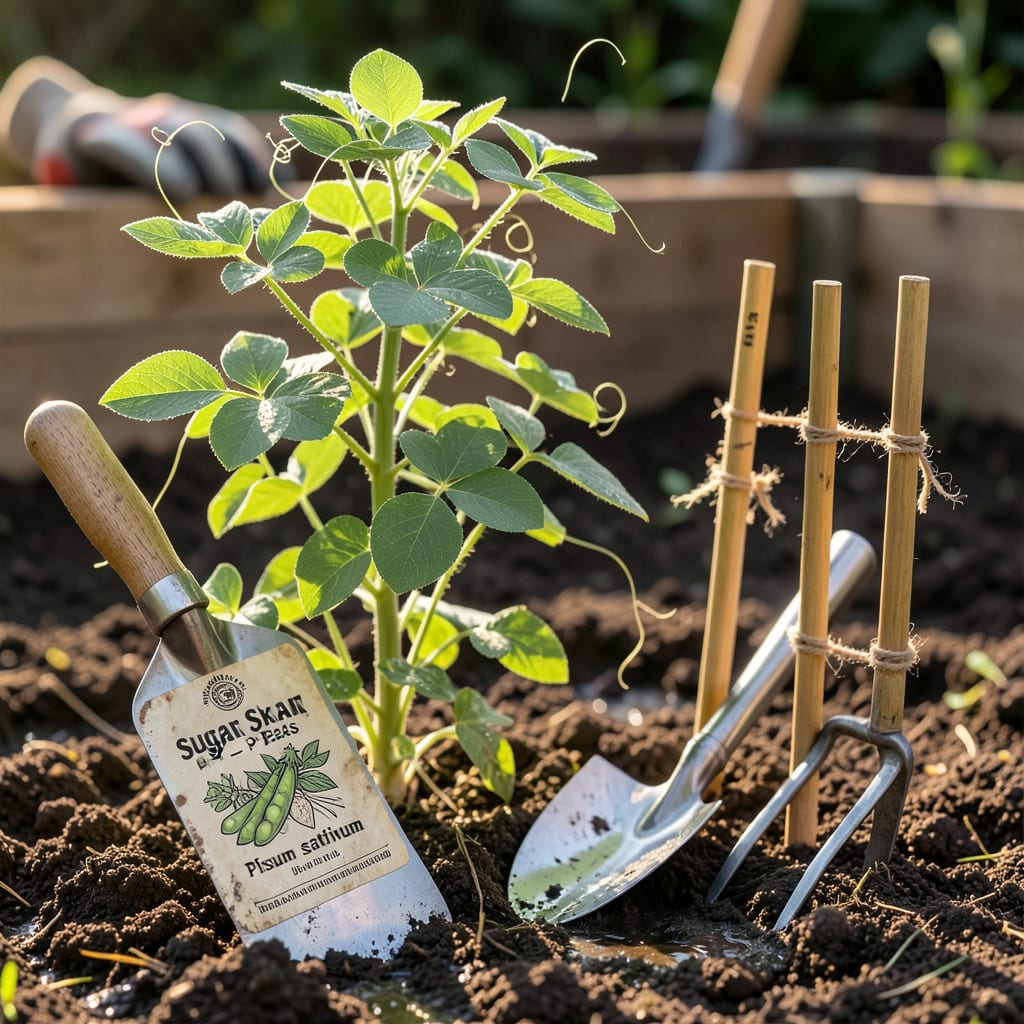
Timing your fall pea planting in Zone 6 can feel like solving a puzzle—too early and heat zaps them, too late and frost steals your harvest. But here’s the good news: I’ve cracked the code for sweet, crisp pods just in time for autumn.
After years of testing, I’ll show you exactly when to get those 🌱 peas in the ground (hint: think late summer) and how to set them up for success. No guesswork, just a foolproof plan for a bountiful fall harvest—even if you’re new to gardening.
If you’re eager to grow fall peas in Zone 6, timing is your secret weapon. Plant too early, and summer’s lingering heat will fry your tender seedlings. Wait too long, and frost will nip their growth before they produce. The sweet spot is 6–8 weeks before your first frost, which typically hits Zone 6 around October 15.
For most of Zone 6, that means sowing seeds from late July to mid-August. But don’t just grab a calendar—check your local frost dates and soil temps. Peas thrive when soil is between 40–75°F, so avoid planting if your garden still feels like a sauna. If you’re in Zone 6a (colder), aim for early August. In Zone 6b (warmer), late July works.
| Planting Factor | Details for Zone 6 |
|---|---|
| First Frost Date | October 15 (adjust for microclimates) |
| Ideal Planting Window | Late July – Mid-August (6–8 weeks pre-frost) |
| Soil Temp Range | 40–75°F (use a soil thermometer!) |
| Days to Maturity | 55–70 days (varies by variety) |
| Zone 6a Adjustment | Plant 1 week earlier (early August) |
| Zone 6b Adjustment | Plant 1 week later (late July) |
Why bother with fall peas? Cooler temps mean sweeter, crispier pods—summer heat turns peas starchy. Plus, you’ll dodge common pests like aphids and pea weevils, which thrive in warm weather. Fall planting also lets you overwinter hardy varieties (like ‘Austrian Winter’) for a spring harvest if you mulch heavily.
Before planting, prep your soil. Peas crave well-draining, compost-rich beds with a pH of 6.0–7.5. Work in 1–2 inches of compost or aged manure, but skip heavy nitrogen—peas fix their own! Sow seeds 1 inch deep and 2 inches apart, in rows 18–24 inches wide. Water gently but thoroughly to avoid washing seeds away.
Pro tip: Soak seeds overnight to speed germination. If your soil is heavy clay, mix in sand or perlite to improve drainage. And don’t forget trellising—even dwarf varieties benefit from support. Use pea netting or twine for climbing types like ‘Sugar Snap.’
Once planted, keep soil consistently moist (about 1 inch of water per week). Mulch with straw or shredded leaves to retain moisture and regulate temperature. If a surprise heatwave hits, provide temporary shade cloth to prevent stress. Germination usually takes 7–14 days—watch for sprouts!
If you’re succession planting, sow a second batch 2–3 weeks after the first for a staggered harvest. Just ensure the last batch has at least 50 days before frost. Varieties like ‘Green Arrow’ (68 days) or ‘Lincoln’ (60 days) are perfect for Zone 6’s fall window. Avoid late plantings—peas won’t size up in cold soil.
Watch for slugs and snails in damp fall conditions. Set up beer traps or sprinkle diatomaceous earth around plants. Birds love pea seedlings too—cover rows with floating row fabric until plants are 4–6 inches tall. Remove covers once flowers appear to allow pollinators access.
Harvest when pods are plump, bright green, and slightly velvety. Pick every 2–3 days to encourage more production. Fall peas often taste sweeter than spring-grown ones thanks to cooler nights. Store harvested pods in the fridge for up to 5 days, or blanch and freeze for longer storage.
If you’re aiming for a spring harvest, plant cold-hardy varieties like ‘Douce Provence’ in late September. Mulch heavily with straw or leaves (4–6 inches) to protect plants over winter. Come spring, they’ll resume growth and produce pods 2–3 weeks earlier than spring-planted peas.
Planting fall peas in Zone 6 seems simple—until you make one of these costly mistakes. I’ve seen even experienced gardeners lose their crop to avoidable errors. The good news? Fixing them is easier than you think, and your peas will thank you with a bigger, sweeter harvest.
First up: skipping soil prep. Peas might be low-maintenance, but they hate soggy, compacted soil. If you toss seeds into heavy clay or sand without amending, you’re setting them up for poor germination and stunted growth. A quick compost boost and loosening the top 6 inches makes all the difference.
The second big mistake? Planting too shallow or too deep. Pea seeds need 1-inch depth—no more, no less. Bury them deeper, and they’ll rot or struggle to emerge. Scatter them on the surface, and birds will snack on them before they sprout. Use your finger to poke holes, drop in 2–3 seeds per hole, and cover gently.
Here’s another trap: neglecting moisture balance. Peas need consistent moisture, but soggy soil invites root rot. Aim for 1 inch of water per week, including rain. If your soil dries out, pods turn fibrous and bitter. Mulch with straw or shredded leaves to lock in moisture without waterlogging. Pro tip: Water in the early morning to let foliage dry before evening.
Finally, don’t assume all pea varieties perform equally in fall. Some, like ‘Sugar Sprint’ (58 days), race to maturity before frost, while others, like ‘Green Arrow’ (68 days), need an earlier start. Always check the days-to-maturity label and match it to your frost date. If you’re planting in late August, stick to fast-growing varieties to beat the cold.
One more thing—trellis neglect. Even dwarf peas benefit from support. Without it, vines tangle, pods rot on damp soil, and harvests become a messy hunt. Install pea netting or twine at planting time. Trust me, it’s harder to add later without damaging roots. For bush types, a simple tomato cage works wonders.
If you sidestep these mistakes, you’re nearly guaranteed a plump, sweet fall harvest. And if slugs still crash the party? Set out a beer trap (they’re drawn to yeast) or sprinkle diatomaceous earth around plants. A little prevention saves a lot of heartache—and peas! 🌱
Not all peas are created equal when it comes to fall planting in Zone 6. You need varieties that mature quickly, tolerate cooler temps, and deliver that sweet, crisp flavor we all love. After testing dozens, I’ve narrowed it down to the top performers for your fall garden.
For snap peas, you can’t beat ‘Sugar Sprint’—it’s ready in just 58 days and thrives in cool weather. If you prefer shelling peas, ‘Lincoln’ is a classic with 60-day maturity and excellent cold tolerance. Both are perfect for Zone 6’s shorter fall window.
| Variety | Type | Days to Maturity | Cold Tolerance | Best For |
|---|---|---|---|---|
| Sugar Sprint | Snap Pea | 58 days | High | Quick harvest, sweet pods |
| Lincoln | Shelling Pea | 60 days | Very High | Classic flavor, heavy producer |
| Oregon Giant | Snow Pea | 65 days | Moderate | Flat pods, stir-fry favorite |
| Green Arrow | Shelling Pea | 68 days | High | Long pods, freezes well |
If you’re planting in late August, stick with faster varieties like ‘Sugar Sprint’ or ‘Lincoln’. These will mature before frost hits. For early September plantings, ‘Oregon Giant’ snow peas are a great choice—they handle light frosts and keep producing as temps drop.
For overwintering, try ‘Austrian Winter’ peas. Plant them in late September, mulch heavily with straw or leaves, and they’ll resume growth in spring. You’ll get pods 2–3 weeks earlier than spring-planted peas. Just be sure to protect them with 6 inches of mulch to insulate roots.
No matter which variety you choose, remember: fall peas taste sweeter than spring-grown ones. Cooler nights concentrate sugars, giving you plump, flavorful pods perfect for fresh eating or freezing. Rotate varieties each year to keep your soil healthy and pests guessing! 🌱
Pro tip: Save seeds from your best-performing plants. Store them in a cool, dry place for next year’s garden. Label with the variety and year—peas stay viable for 2–3 years if stored properly. Happy planting!
Sow seeds no later than early September to ensure maturity before frost. For best results, aim for late July to mid-August—this gives peas 60–70 days to grow before October 15 frost dates.
Use shade cloth (30–50% density) during peak afternoon heat if temps exceed 85°F. Mulch with straw or grass clippings to keep roots cool. Water deeply in early morning to prevent wilting.
Yes, but fast-maturing varieties like ‘Sugar Sprint’ (58 days) or ‘Lincoln’ (60 days) perform best in fall. Avoid slow growers—stick to varieties labeled “early” or “cold-hardy” for Zone 6.
Overwatering is the top error—soggy soil causes seeds to rot. Keep soil evenly moist (not soaked) and ensure good drainage. Test soil by sticking your finger 1 inch deep—if dry, it’s time to water.
Peas fix their own nitrogen, so avoid heavy feeds. A light compost top-dressing at planting is enough. If soil is poor, use a low-nitrogen (5-10-10) fertilizer once when vines reach 6 inches tall.
