
Beautiful Plants For Your Interior
Beautiful Plants For Your Interior
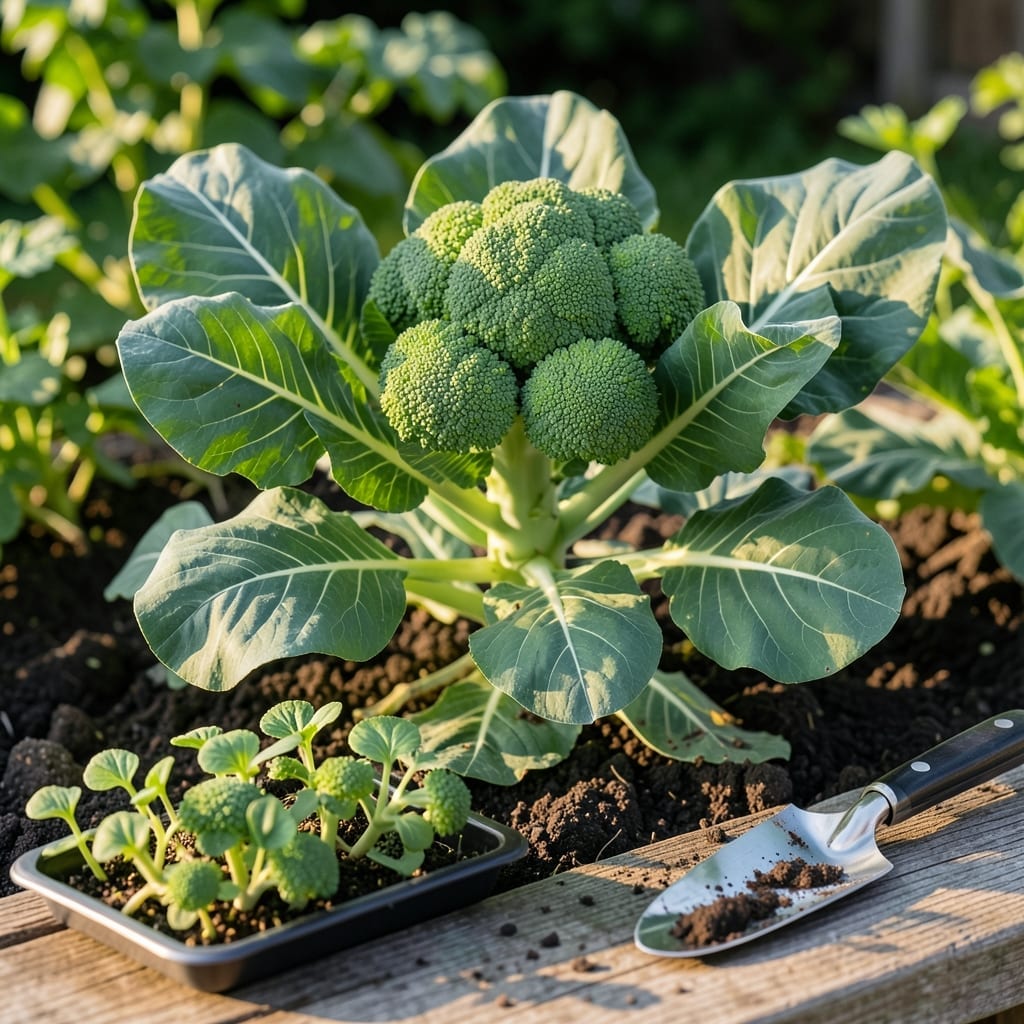
Timing is everything when planting a Fall Garden in Florida. Start too early, and summer heat will stress your crops. Too late, and frost may ruin your harvest.
I’ve learned the hard way that Florida’s unique climate demands precision. The 🌱 perfect window exists between the scorching summer and the first chill of winter.
Whether you’re in zone 8a-10b, getting this right means the difference between a struggling plot and a thriving autumn yield.
Discover the zone-adjusted schedule that takes the guesswork out of planting. Your most productive fall season starts with this simple timing trick.
Florida’s unique climate means fall planting varies by USDA zone. In Zone 8, start cool-season crops like broccoli and kale in late August. The milder Zone 9 lets you plant through September, while Zone 10 gardeners can sow seeds into October.
Timing depends on your first frost date. North Florida (Zone 8) sees frost as early as November, so plant 6-8 weeks prior. Central (Zone 9) and South Florida (Zone 10) have later frost dates, giving more flexibility for lettuce and carrots. 🌱
| USDA Zone | Planting Window | Key Crops | First Frost |
|---|---|---|---|
| 8 (North FL) | Late August | Broccoli, Kale, Collards | Mid-November |
| 9 (Central FL) | Early September | Lettuce, Carrots, Beets | Early December |
| 10 (South FL) | Mid-October | Cabbage, Spinach, Radishes | Late December |
In Zone 8, I always prioritize cold-hardy greens like collards and kale by mid-August. These thrive in cooler temps and can handle light frosts. For Zone 9, leaf lettuce and snap peas do well when planted in September.
Zone 10 gardeners enjoy the longest window. I’ve had success with radishes and green onions planted in October. These quick growers mature before any cold snaps. Always check your local frost dates for precision.
For root crops like carrots and beets, start seeds 10-12 weeks before your first frost. This ensures they reach harvest size before cold weather slows growth. In warmer zones, you can often succession plant every 2-3 weeks.
Don’t forget soil prep. I amend my beds with compost before planting to boost nutrients. Florida’s sandy soil often needs extra organic matter to retain moisture and support root development.
Watering needs change in fall. With cooler temps and less evaporation, I reduce frequency but ensure deep watering to encourage strong root systems. 1 inch per week is a good rule of thumb for most fall crops. ☀️
Pest pressure lessens in fall, but keep an eye out for cabbage worms and aphids. I use row covers to protect young plants from insects without chemicals. This is especially helpful for brassicas like broccoli.
Finally, monitor weather forecasts as fall progresses. A sudden cold front can damage tender crops. I always have frost cloth on hand for unexpected dips in temperature. Planning ahead saves your harvest! 🌿
Florida’s fall garden thrives with the right cool-season crops. I’ve found leafy greens like lettuce and spinach grow quickly in cooler temps. Root vegetables such as carrots and beets also excel with proper spacing and soil prep.
For best results, focus on fast-maturing varieties. In my experience, radishes and green onions are ready in as little as 30 days. These are perfect for succession planting to extend your harvest window. 🌱
I always ensure my soil pH is between 6.0-7.0 for most fall crops. Adding compost improves fertility and moisture retention, which is crucial for Florida’s sandy soil. This prep work prevents nutrient deficiencies later.
Sunlight remains critical even as days shorten. Most fall crops need 6+ hours of direct sun daily. In Zone 10, where heat lingers, I use shade cloth to protect young plants from afternoon scorching.
Spacing affects air circulation and disease prevention. For example, broccoli needs 18-24 inches between plants, while lettuce can be spaced at 12 inches. Crowding leads to competition and weaker plants.
Watering should be consistent but not excessive. I aim for 1 inch per week, adjusting for rainfall. Drip irrigation works best to keep foliage dry and prevent fungal issues, especially in humid Florida fall weather. ☀️