
Beautiful Plants For Your Interior
Beautiful Plants For Your Interior
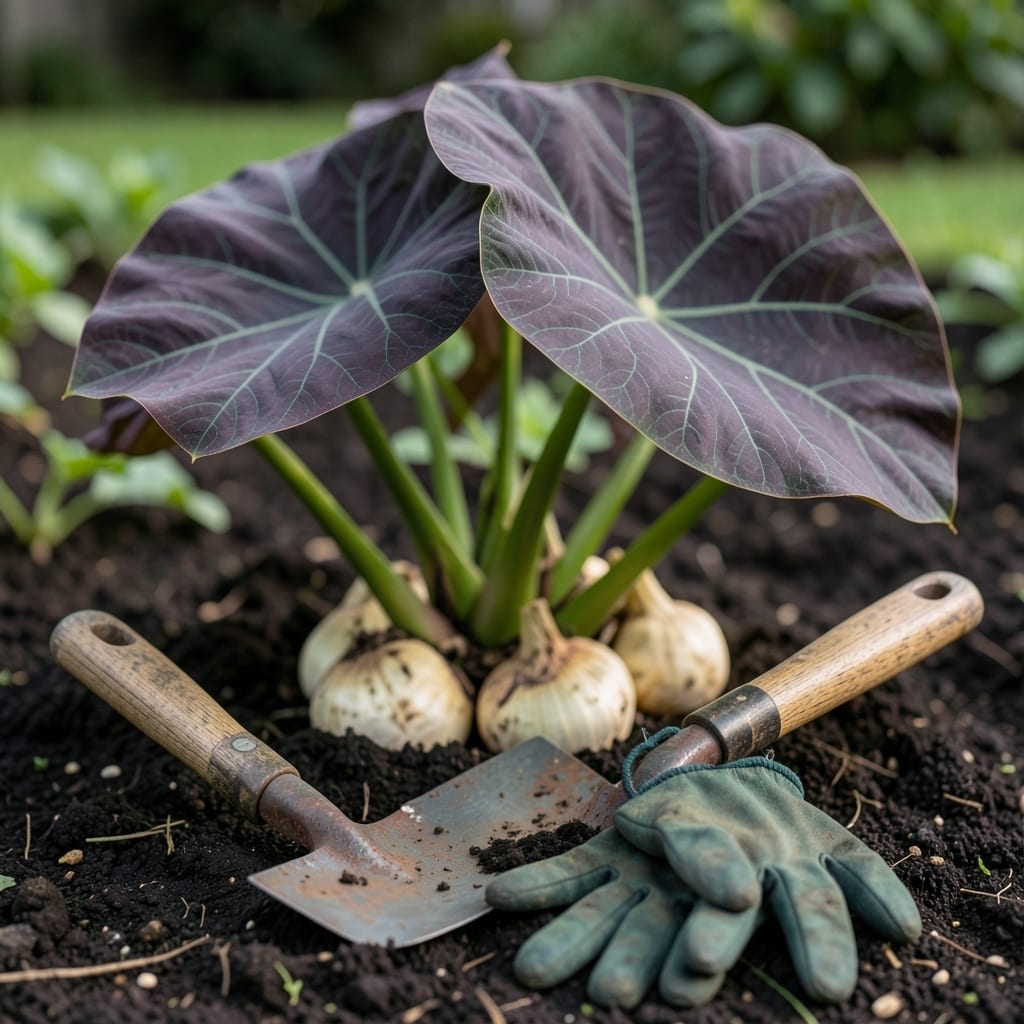
Timing is everything when planting Elephant Ear bulbs in Georgia’s unpredictable climate. Plant too early, and frost may ruin your efforts; too late, and you’ll miss the lush summer growth these tropical beauties are known for.
The 🌿 Elephant Ear thrives when the soil is warm, and Georgia’s 7b-8a zones offer a perfect window. But knowing exactly when to start can make all the difference for vibrant foliage.
I’ve learned that waiting for the right moment—after the last frost and when the soil hits that sweet spot—sets the stage for success. It’s not just about the calendar; it’s about the conditions.
Let me walk you through the most important factors to consider so your Elephant Ear plants get the strongest start possible this spring.
Georgia’s 7b-8a hardiness zones give us a clear advantage for growing Elephant Ear bulbs, but timing is critical. The last frost date in most areas is around April 15, which is my starting point for planning.
I always wait until soil temperatures consistently hit at least 60°F at a 2-inch depth. In North Georgia, this usually means mid-to-late April, while South Georgia gardeners can often start early April or even late March.
| Region | Planting Window | Soil Temp | Last Frost |
|---|---|---|---|
| North Georgia | Mid-April to May | 60-65°F | April 15-20 |
| Central Georgia | Early to Mid-April | 60°F+ | April 1-15 |
| South Georgia | Late March to Early April | 60°F+ | March 15-30 |
I’ve found that Elephant Ear bulbs planted too early in cold soil often rot or fail to sprout. Using a soil thermometer takes the guesswork out of the equation, and I check mine weekly starting in March.
For Northern Georgia gardeners, the higher elevation means cooler temps linger. I recommend waiting until after April 20 in areas like Blairsville or Dahlonega to be absolutely safe from late frosts.
The Coastal Plain in South Georgia warms up fastest. Gardeners in Savannah or Valdosta can often plant as early as late March if the forecast stays frost-free for at least two weeks.
I always watch the 10-day weather forecast before planting. One unexpected cold snap can set your bulbs back or kill them outright. It’s better to wait an extra week than risk losing your investment.
Remember that container planting offers more flexibility. I’ve successfully started bulbs in pots indoors in March, then moved them outside after the last frost to get a head start on the season.
If you’re unsure about your local conditions, I suggest checking with your county extension office. They often have hyper-local data on frost dates and soil temperatures that can help you pinpoint the perfect planting window.
In my experience, the sweet spot for most Georgia gardeners is April 15 to May 1. This gives the bulbs enough time to establish before the summer heat kicks in, which Elephant Ears absolutely love. 🌿
Planting Elephant Ear bulbs in Georgia starts with picking the right spot. I recommend partial shade for most varieties, as Georgia’s intense afternoon sun can scorch their leaves. A location with morning sun and afternoon shade works perfectly.
Next, prepare the soil. These tropical plants thrive in well-draining, organic-rich soil. I always mix in plenty of compost or aged manure to give the bulbs a nutrient boost from the start.
Once planted, water thoroughly to settle the soil around the bulbs. In Georgia’s heat, I’ve found that a deep watering once a week is better than frequent shallow watering. This encourages strong root development.
Don’t forget to mulch! A 2-3 inch layer of organic mulch helps retain moisture and keeps the soil temperature stable. I use shredded bark or straw for best results in my garden.
After planting, monitor the weather. If an unexpected late frost is forecasted, cover your new plantings with frost cloth. Georgia’s weather can be unpredictable, so it’s better to be safe than sorry.
With these steps, your Elephant Ears will establish quickly and reward you with lush, tropical foliage all summer long. Remember, consistency in care is key to their success in our Georgia climate 🌿