
Beautiful Plants For Your Interior
Beautiful Plants For Your Interior
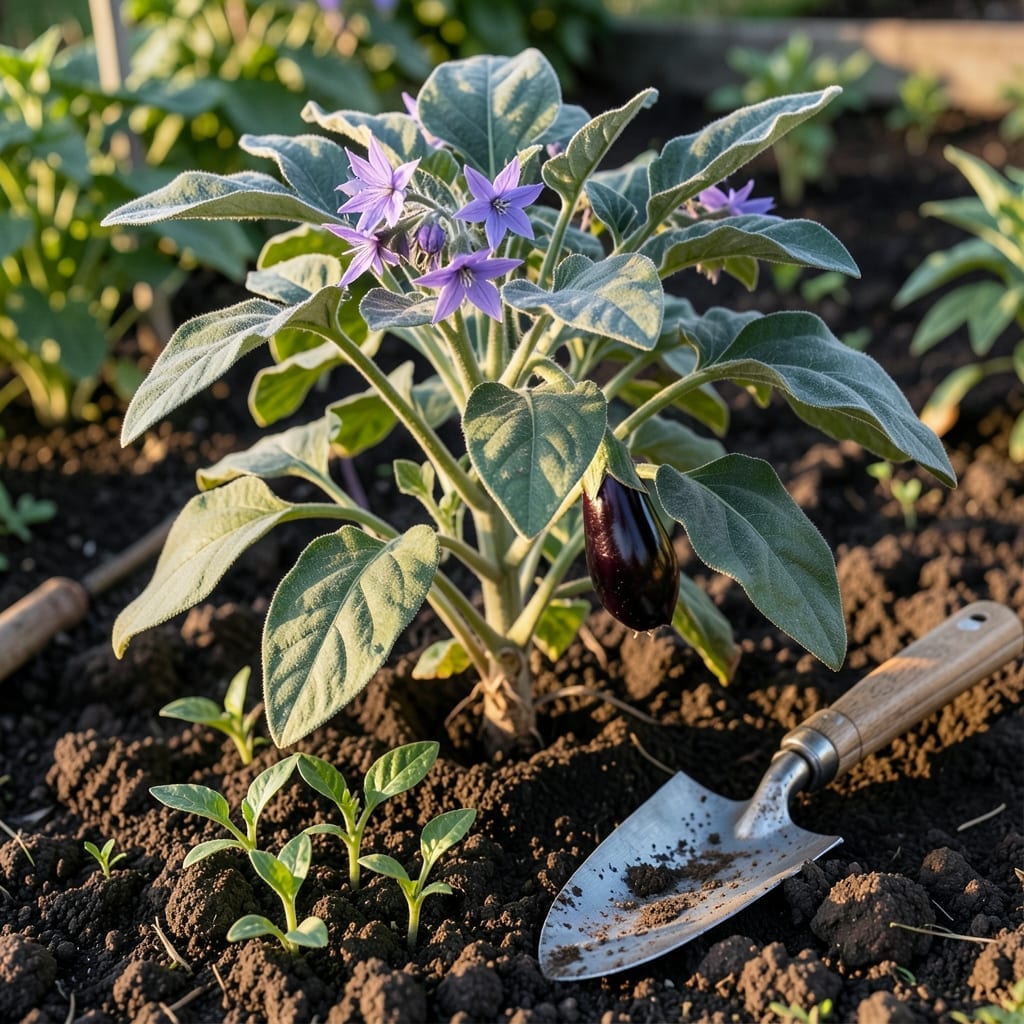
Timing is everything when it comes to planting Eggplant in Georgia’s diverse climate. Plant too early, and frost can wipe out your crop; too late, and the summer heat may stress your plants before they bear fruit.
In Georgia’s 7b-8a zones, getting the timing right means the difference between a bountiful harvest and a disappointing season. The window is narrow but critical for success.
I’ve learned through experience that waiting for the soil to warm and the last frost to pass sets you up for the best results. It’s not just about the calendar—it’s about the conditions.
Let me walk you through the exact timing and preparation steps that’ll help your 🍆 Eggplant thrive from planting to harvest.
Georgia’s USDA zones 7a-8b create varied planting windows for eggplant. This heat-loving crop thrives when soil hits 70-80°F, so timing is key across the state.
From the cooler North Georgia mountains to the warmer coastal plains, your planting date shifts by 2-4 weeks. I’ll break it down by region. 🌱
| Region | Last Frost Date | Planting Window | Soil Temp Needed |
|---|---|---|---|
| North Georgia (Atlanta) | April 15 | Late April – May | 70°F+ |
| Central Georgia (Macon) | April 1 | Mid-April – Early May | 70°F+ |
| South Georgia (Savannah) | March 15 | Late March – Early April | 70°F+ |
In North Georgia, I wait until after April 15 to avoid late frosts. The soil warms slower here, so late April to May is ideal for transplanting.
For Central Georgia, the window opens mid-April. I’ve found Macon’s climate allows planting 2 weeks earlier than Atlanta with great success.
South Georgia’s mild winters mean you can start late March. But watch for unseasonal cold snaps—I always keep row covers handy.
Eggplants need consistent warmth. I check soil with a thermometer before planting. If it’s below 60°F, I wait.
For direct sowing, I recommend starting indoors 8-10 weeks earlier. This gives seedlings a head start before outdoor conditions are perfect.
In cooler zones, I use black plastic mulch to warm the soil faster. It’s a game-changer for early planting in North Georgia.
Remember, eggplants hate cold. Even a light frost can kill them. I always harden off seedlings for a week before transplanting. ☀️
Preparing your soil and seedlings properly is half the battle for growing eggplant in Georgia. These warmth-loving plants demand well-draining soil with a pH of 5.8-6.5 to thrive. 🌱
I always start by testing my soil and amending it with compost or aged manure to boost fertility. This creates the perfect foundation for healthy root development before transplanting.
For seed starting, I use a heat mat to maintain 80-85°F soil temperature. This speeds up germination, which typically takes 7-14 days for eggplant.
When seedlings develop 2-3 true leaves, I transplant them into larger pots. This prevents root bounding and ensures stronger plants for outdoor planting.
The hardening off process is crucial. I gradually expose seedlings to outdoor conditions over a week, starting with shade and increasing sun exposure daily.
At transplanting time, I space plants 18-24 inches apart in rows 3 feet apart. This gives them room to grow while allowing good air circulation, which prevents diseases. ✂️