
Beautiful Plants For Your Interior
Beautiful Plants For Your Interior
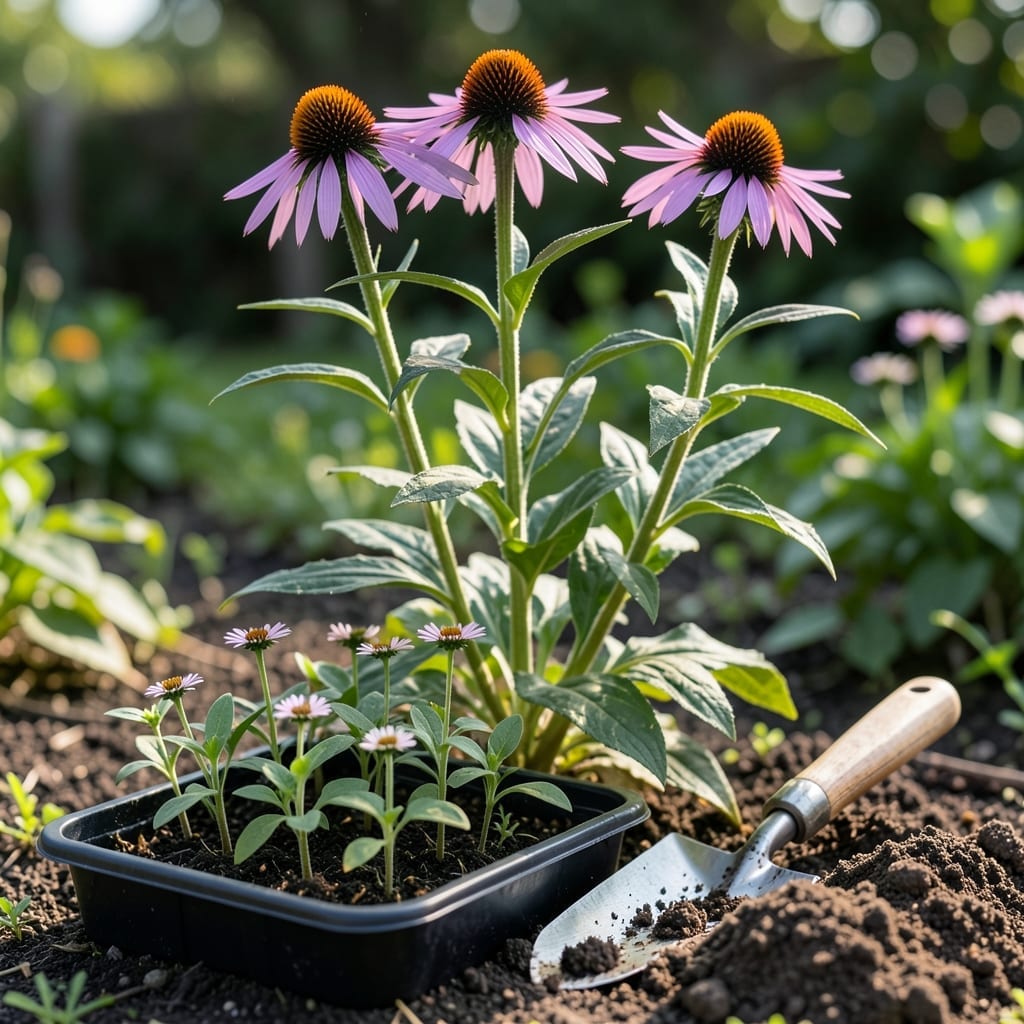
Timing is everything when it comes to planting Echinacea—get it right, and you’ll be rewarded with vibrant, long-lasting blooms that attract pollinators all season long.
I’ve found that planting in spring or early fall gives these hardy perennials the best start. Whether you’re in zone 4-9, the key is working with your climate, not against it.
Let me walk you through the ideal windows and preparation tips so your 🌼 Echinacea thrives from the very first season. You’ll be amazed at how simple it is to get this right.
Getting the timing right for planting Echinacea can make all the difference in how well it establishes and blooms. I always recommend checking your USDA hardiness zone first, as this will guide your planting window.
In most regions, spring planting after the last frost or early fall before the first frost works best. This gives the roots time to settle before extreme temperatures hit.
| Climate Zone | Planting Window | Notes |
|---|---|---|
| Zones 4-5 | May or September | Avoid late fall planting due to early frosts |
| Zones 6-7 | April-May or September-October | Ideal for both spring and fall planting |
| Zones 8-9 | March-April or October-November | Fall planting allows for winter root establishment |
For cool climates like zones 4-5, I’ve seen the best results when planting in late spring after the soil has warmed. This helps prevent cold shock to the young plants.
In moderate zones 6-7, you have more flexibility. Both spring and fall plantings work well. I prefer fall planting as it often leads to earlier blooms the following year.
If you’re in warmer zones 8-9, early spring is ideal to avoid summer heat stress. However, fall planting can also be successful if done 6-8 weeks before the first frost.
Remember, soil temperature is just as important as air temperature. Aim for soil temps above 55°F for spring planting. This ensures the roots can actively grow.
For fall planting,
No matter your zone, well-draining soil is crucial. Echinacea doesn’t like wet feet, so amend heavy clay soils with compost before planting.
Finally, consider your local microclimate. If you have a sheltered spot that stays warmer, you might be able to plant a little earlier in spring or later in fall.
With these timing tips, your Echinacea will have the best chance to establish strong roots and reward you with stunning blooms for years to come 🌼
Planting Echinacea correctly sets the stage for healthy growth and abundant blooms. I always start by preparing the planting site with well-draining soil, as these plants hate soggy roots.
Choose a sunny location with at least 6 hours of direct sunlight daily. This ensures vibrant blooms and strong stems. Then, dig a hole twice as wide as the root ball but just as deep.
After planting, I recommend watering thoroughly to help settle the soil around the roots. This removes any air pockets that could stress the plant.
For the first week, keep the soil consistently moist but not waterlogged. Once established, Echinacea is quite drought-tolerant, needing only weekly watering in most climates.
A light layer of organic mulch helps retain moisture and suppress weeds. Just be sure to keep it 2-3 inches away from the plant’s base to prevent rot.
In my experience, the best results come from spring planting after the last frost. This gives the plants a full growing season to establish strong roots before winter.
With proper planting and care, your Echinacea will reward you with years of beautiful blooms that attract bees and butterflies to your garden 🌼