
Beautiful Plants For Your Interior
Beautiful Plants For Your Interior
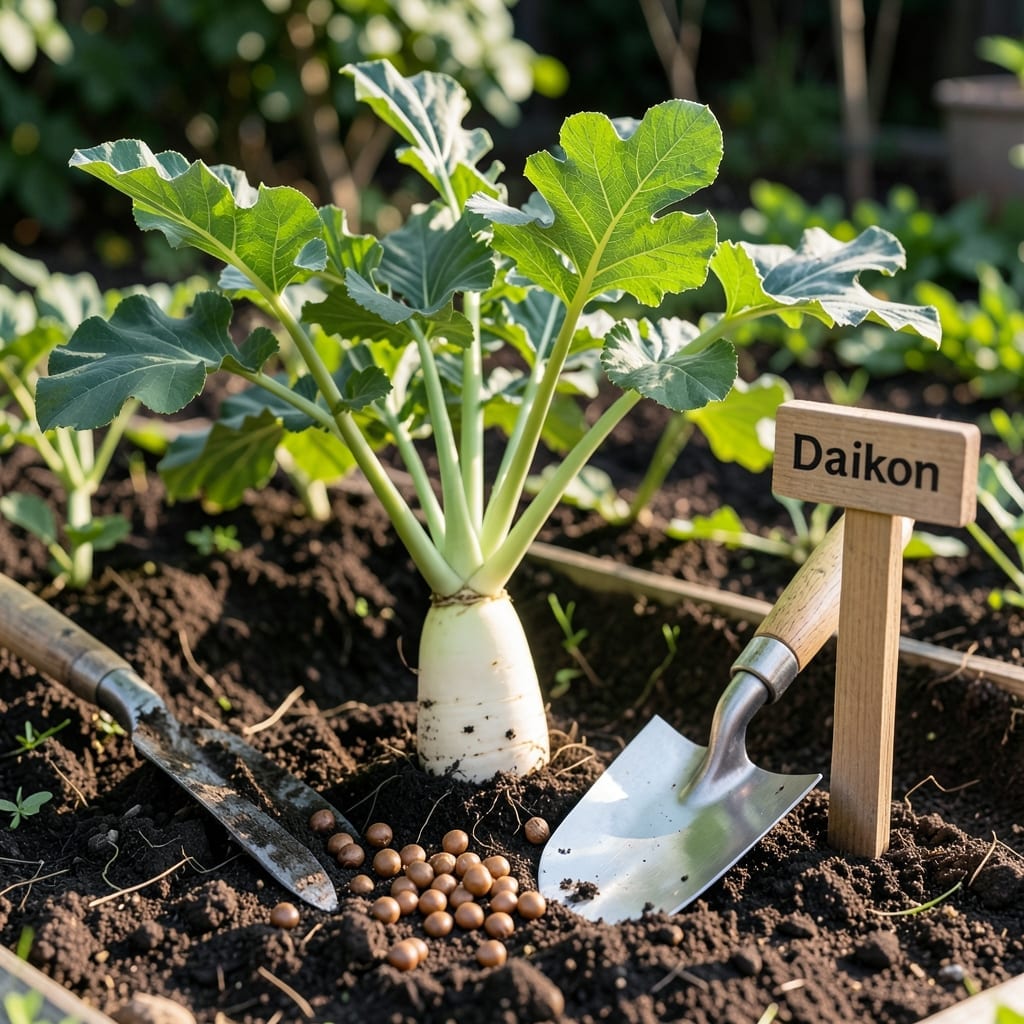
Timing is everything when it comes to growing Daikon 🥬—plant too early or too late, and you’ll miss out on crisp, flavorful roots.
I’ve learned that getting the season right is the key to maximizing both yield and quality. Whether you’re in zone 6 or adjusting for your local climate, the window matters more than you think.
Discover how to align your planting schedule with nature’s rhythm for roots that thrive. Let’s get started.
Getting the timing right for daikon radishes means understanding your climate zone first. I’ve found that these roots thrive in cool temperatures, so planting during extreme heat or cold can stunt their growth and affect flavor.
In cool climates like USDA zones 3-5, aim for late summer planting. This gives the roots time to mature before the first hard frost hits. For warmer zones, the window shifts slightly to avoid the peak heat of mid-summer.
| Climate Zone | Planting Window | Key Consideration |
|---|---|---|
| Cool (Zones 3-5) | August to early September | Avoid late frosts |
| Temperate (Zones 6-8) | Late August to September | Ideal for fall harvests |
| Warm (Zones 9-11) | October to November | Plant in winter for spring harvest |
For temperate zones like 6-8, I recommend planting 4-6 weeks before your first expected frost. This aligns with daikon’s 60-day maturity period, ensuring roots develop fully before cold sets in.
In warmer climates, daikon can handle a winter planting. The mild temperatures prevent the roots from becoming woody or pungent, which often happens in hot soil conditions.
Soil temperature is another critical factor. Daikon seeds germinate best in 50-85°F soil. If the ground is too cold, seeds may rot; if it’s too hot, they’ll struggle to sprout. I always check with a soil thermometer before planting.
In zone 6, where I often garden, I’ve had the most success planting in late August. This timing allows the daikon to establish roots before the October frosts arrive, and the flavor is consistently sweet and crisp.
For those in cooler zones, consider starting seeds indoors if your growing season is short. Transplanting can give you a head start, but be gentle—daikon doesn’t love being moved.
If you’re in a warmer zone, you might even get away with a second planting in early spring. Just be sure to harvest before the summer heat kicks in, as high temperatures can make the roots tough and bitter.
No matter your zone, consistent moisture is key during germination. I water lightly but frequently to keep the soil damp, and I mulch to retain moisture and regulate temperature.
Finally, always refer to your local frost dates and adjust as needed. Gardening is as much about observation as it is about planning, and daikon rewards those who pay attention to the details.
With the right timing, you’ll be pulling up crisp, sweet daikon that’s perfect for fresh eating or storing. It’s worth the effort to get it just right ✅
When planting daikon radishes, I’ve learned that soil temperature is just as important as air temperature. These roots need 50-85°F soil to germinate properly and develop their signature crisp texture and mild flavor. 🌱
If the soil is too cold, seeds may rot before sprouting. If it’s too hot, they’ll struggle to establish, leading to weak roots or bitter taste. I always use a soil thermometer to check conditions before planting.
🌱 Pro Tip: In zone 6, daikon thrives when planted in late August when soil temps are ideal. Test soil at 2-inch depth for accuracy!
For best results, I aim for consistent moisture and loose soil to help roots grow straight and deep. Daikon planted in compacted soil often develops forked or stunted roots, which affects both appearance and taste.
I’ve noticed that daikon grown in cooler soil tends to be sweeter, while those in warmer soil can develop a stronger, more pungent flavor. This is why timing your planting to avoid summer heat is so crucial.
If your soil is too cold, consider using black plastic mulch to warm it up. For overly hot conditions, shade cloth can help moderate temperatures and protect young plants.
Remember, daikon’s 60-day maturity period means you need to plan ahead. In my experience, planting when soil is 60-70°F gives the best balance of growth speed and flavor development. ✅