
Beautiful Plants For Your Interior
Beautiful Plants For Your Interior
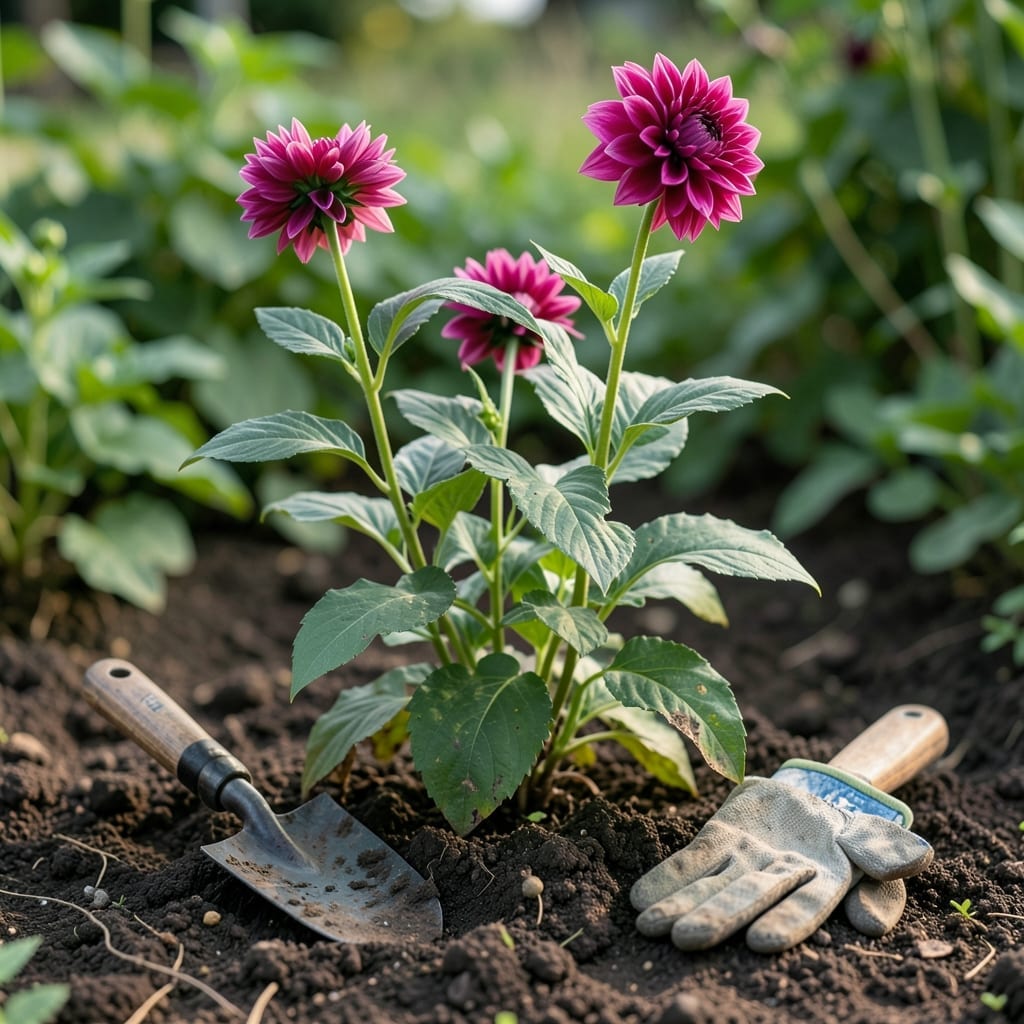
Timing is everything when planting 🌼 Dahlias in Washington State, where our unique Pacific Northwest climate demands precision. Plant too early, and a late frost could wipe out your tubers before they even begin.
But wait just a few weeks too long, and you might miss those spectacular summer blooms that make these flowers so beloved. The window is narrower than you might think.
In Zone 8b, spring brings the perfect opportunity, but you’ll need to watch both the calendar and the soil temperature. The difference between success and disappointment often comes down to a matter of days.
Let me walk you through how to nail that planting timing for maximum impact in your Washington garden. The secret lies in understanding our region’s specific rhythms.
Washington State spans USDA zones 4-9, making dahlia planting timing vary significantly. In Zone 8b areas like Seattle, you’ll typically plant after April 15, the average last frost date. The key is waiting for soil temps to reach at least 60°F for tuber safety.
Coastal regions often warm up faster than inland areas, allowing for earlier planting. Meanwhile, higher elevations in Zones 4-6 may need to wait until late May or even early June to avoid frost damage to tender tubers.
| Zone | Last Frost Date | Planting Window | Soil Temp |
|---|---|---|---|
| 4-6 | May 15 | Late May – Early June | 60°F+ |
| 7-8 | April 15 | Mid April – Early May | 60°F+ |
| 9 | March 15 | Late March – Early April | 60°F+ |
I always recommend using a soil thermometer to confirm temperatures before planting. In the Puget Sound area, microclimates can create 10-degree differences in soil warmth just a few miles apart. Don’t rush—cold soil can cause tubers to rot before they even sprout.
For Zone 4-6 gardeners in Eastern Washington, the shorter growing season means starting tubers indoors in pots around April 1. This gives them a head start before transplanting after the last frost. I’ve found this method adds 4-6 weeks of growing time.
In Zone 9 areas like the Columbia Basin, you might plant as early as late March. However, watch for late frost surprises, which can still occur. Always have frost cloth ready to protect young shoots if temperatures dip unexpectedly.
The coastal influence moderates temperatures in Western Washington, but it also means more rainfall. I improve drainage by planting dahlias in raised beds or mounded soil to prevent waterlogging, which is especially important in Zones 7-8.
Remember that dahlia tubers are sensitive to both frost and excess moisture. In my experience, waiting an extra week for warmer soil is always better than risking tuber loss. The reward will be healthier plants with more abundant blooms throughout the summer.
For the most accurate timing, I check both the calendar dates and the actual soil conditions each spring. This dual approach has helped me achieve consistent success with dahlias across different parts of Washington State.
Finally, keep in mind that microclimates can significantly impact your planting schedule. A south-facing slope or urban heat island might warm up 2-3 weeks earlier than a shaded valley location just a few miles away.
By understanding your specific zone and local conditions, you can determine the perfect planting window for vibrant, long-lasting dahlia blooms in your Washington garden 🌼
Planting dahlias in Washington State requires careful timing and preparation to thrive in its unique climate. I always start by checking the soil temperature—it must reach 60°F before planting to avoid tuber rot.
Choose a sunny location with at least 6 hours of direct sunlight daily. In WA’s rainy climate, improving drainage is key to prevent waterlogging, which dahlias hate.
I’ve found that preparing the tubers properly makes a huge difference. Soaking them helps kickstart growth, and planting them horizontally ensures strong root development.
In Western WA, the Puget Sound area’s mild, wet springs mean I often need to improve drainage with raised beds. For Eastern WA, the drier climate allows for in-ground planting with less worry about waterlogging.
After planting, I mulch around the base to retain moisture and suppress weeds. This is especially important in WA’s variable weather, where sudden rain can oversaturate the soil.
Finally, I always monitor for slugs and snails, which are common pests in Washington’s damp springs. A simple beer trap or diatomaceous earth can work wonders to protect your dahlias. ✂️