
Beautiful Plants For Your Interior
Beautiful Plants For Your Interior
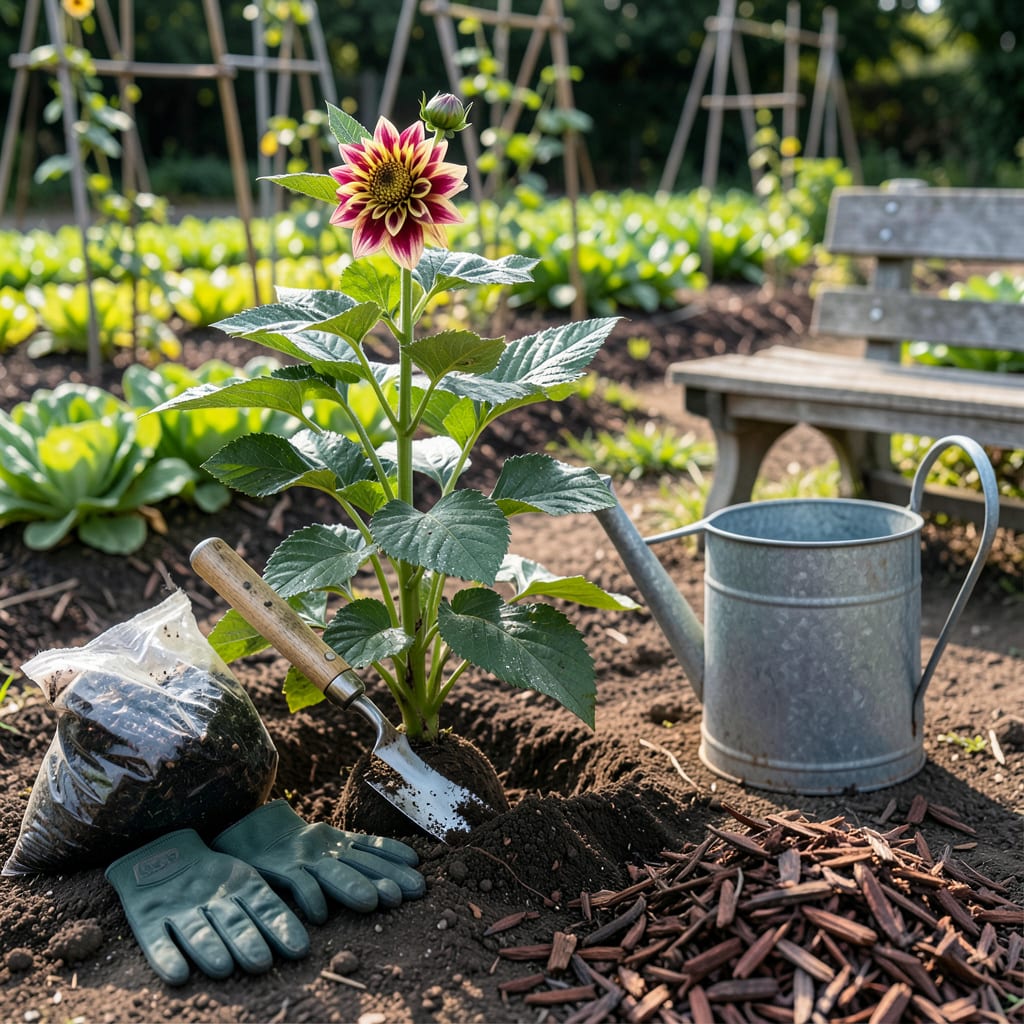
Timing your dahlia planting in Oregon can feel like a gamble—plant too soon, and late frosts might wipe out your tubers. Wait too long, and you’ll sacrifice weeks of those stunning summer blooms we all love. The difference between a thriving garden and a disappointing one often comes down to just a few weeks.
After years of testing what works (and what doesn’t) in Oregon’s unpredictable spring weather, I’ve nailed down the ideal window for zones 8b-9a. Whether you’re in the damp Willamette Valley or the drier high desert, I’ll show you exactly when to get those tubers in the ground—for flowers that steal the show all season.
If you’re eager to fill your Oregon garden with vibrant dahlias, timing is everything. Our state’s diverse climates—from the misty coast to the arid high desert—mean planting windows vary dramatically. I’ve learned the hard way that a Willamette Valley schedule won’t work in Bend!
Generally, you’ll want to plant after the last frost date, when soil temps hit 60°F. But Oregon’s microclimates add complexity. Coastal areas stay cooler longer, while eastern regions heat up faster. Let’s break it down by zone so you don’t end up with rotted tubers or stunted blooms.
| Region | USDA Zone | Planting Window | Last Frost Date | Key Tip |
|---|---|---|---|---|
| Willamette Valley | 8a-9a | Mid-April to May | April 10-15 | Watch for late spring rains—use raised beds! |
| Oregon Coast | 8b-9a | Late April to Early June | April 20-May 1 | Windbreaks help—coastal winds can snap stems. |
| Eastern Oregon | 6b-7a | Late May to Early June | May 15-30 | Mulch heavily—hot days dry soil fast. |
| Southern Oregon | 7b-8a | Early April to Mid-May | March 20-April 10 | Early heat waves—afternoon shade helps. |
*Soil temp should be 60°F+ at 4″ depth. Use a soil thermometer for accuracy.
In the Willamette Valley, I aim for mid-April, but I’ve lost tubers to surprise frosts in Corvallis as late as April 20. A row cover or cloche can save early plantings. Coastal gardeners should wait until May—cooler temps slow growth, but slugs are less aggressive then.
Eastern Oregon’s high desert is a different beast. The last frost might not hit until late May, but once it warms up, dahlias explode with growth. I’ve seen 6-foot plants in Bend by August! Just be ready to water deeply—that volcanic soil drains fast.
For Southern Oregon (Medford, Ashland), you’re in the earliest planting zone. Start tubers indoors in March for a head start, or direct-plant in early April. Watch for heat stress—dahlias wilt fast in 100°F+ temps. A light shade cloth in July can prevent scorching.
No matter where you are, soil prep is key. Oregon’s clay-heavy valleys and sandy coasts both benefit from compost and perlite. I mix in 1/3 compost to improve drainage and fertility. Test your soil’s pH—dahlias prefer 6.5-7.0.
If you’re unsure about your microclimate, check with Oregon State University Extension or local nurseries like Portland Nursery or Garland Nursery in Corvallis. They often have hyper-local frost dates and soil tips. I’ve called them mid-season for emergency advice—they’re lifesavers!
Pro tip: Pre-sprout tubers indoors 4-6 weeks before planting. Place them in trays with damp potting mix under grow lights. Once sprouts reach 2-3 inches, they’re ready for the garden. This trick gives you blooms 2-3 weeks earlier—perfect for our short season!
Remember, dahlias hate wet feet. If your area gets spring rains (looking at you, Portland), plant in raised beds
Now that you know when to plant in your Oregon region, let’s talk about how to plant for those show-stopping blooms. I’ve refined my method over years of trial and error—especially dealing with our wet springs and slug-heavy soil. Follow these steps for dahlias that thrive.
Start by prepping your tubers 4-6 weeks before planting. If they arrived shriveled, soak them in lukewarm water for 1-2 hours to plump them up. Then, place them in trays with damp potting mix under grow lights. Once sprouts reach 2-3 inches, they’re ready for the garden. This head start means earlier flowers!
✅ Pro tip: Label varieties with popsicle sticks—trust me, you’ll forget which is which by summer!
Once planted, hold off on watering until you see green sprouts (usually in 2-3 weeks). Overwatering early is the #1 cause of tuber rot in Oregon’s spring rains. Once sprouts appear, water deeply 1-2 times per week, depending on rain.
Oregon’s slug population is legendary, so protect young shoots with beer traps or iron phosphate bait. I lost an entire row of ‘Café au Lait’ dahlias to slugs one year—lesson learned! For coastal gardens, windbreaks (like burlap screens) prevent stem breakage.
Fertilize lightly when plants reach 12 inches tall, using a low-nitrogen formula (like 5-10-10). Too much nitrogen = leafy growth, fewer blooms. In Eastern Oregon, where soil is leaner, I add bonemeal at planting for extra phosphorus.
By mid-July, your dahlias should be bursting with buds. Deadhead spent blooms weekly to encourage more flowers. In September, reduce watering to prepare tubers for dormancy. After the first frost (usually October in most zones), cut back foliage and dig up tubers for winter storage.
With this method, I’ve grown dinner-plate-sized blooms even in Portland’s unpredictable weather. The key? Patience with planting, vigilance against pests, and consistent care. Now go get those tubers in the ground—your summer garden will thank you! 🌼
Even the most experienced Oregon gardeners can stumble when planting dahlias. I’ve made my fair share of mistakes—like planting too early in Portland’s soggy springs or underestimating our slug armies. Here are the top three pitfalls I see (and how to sidestep them).
First up: planting tubers too early. Oregon’s spring rains and late frosts are a dangerous combo for dahlias. Tubers rot in cold, wet soil, and young sprouts get zapped by surprise frosts. I once lost an entire batch in early April—now I wait until soil hits 60°F at 4″ deep.
💡 Fix it: Use a soil thermometer and check regional frost maps!
Another big mistake? Treating all of Oregon the same. A Willamette Valley schedule won’t work in Bend or Astoria. Coastal gardeners often plant too early, while high-desert folks wait too long. I use OSU Extension’s zone maps to pinpoint my exact window—it’s saved my dahlias more than once.
Overwatering new plantings is mistake #3. Dahlias need dry soil at first to prevent rot. I water only after sprouts emerge, then deeply 1-2x/week. In clay-heavy areas (like Salem), I add perlite to improve drainage. Mulch helps too—but avoid heavy layers that trap moisture.
Bonus blunder: Skipping slug protection. Oregon’s slugs can decimate dahlia sprouts overnight. I use iron phosphate bait (pet-safe!) and beer traps. For coastal winds, stakes + twine support tall varieties. East of the Cascades? Shade cloth prevents sun scorch in July-August heatwaves.
Remember, dahlias are tough but finicky. Avoid these mistakes, and you’ll be rewarded with blooms from July to frost. When in doubt, ask local nurseries—they know your microclimate best! 🌼
Wait until soil reaches 60°F at 4-inch depth. Oregon’s spring can be tricky—use a soil thermometer for accuracy. Planting in colder soil risks rot, especially in damp areas like the Willamette Valley.
Pre-sprout tubers 4-6 weeks before your planting date. Place them in trays with damp potting mix under grow lights. Once sprouts hit 2-3 inches, they’re ready for the garden. This gives you blooms 2-3 weeks earlier.
Oregon slugs love young dahlia sprouts. Use iron phosphate bait (pet-safe) or beer traps. I lost a whole row of ‘Café au Lait’ dahlias to slugs—now I set traps early. Coastal gardens may need extra vigilance!
Planting too early in cold, wet soil. Oregon’s spring rains and late frosts can rot tubers. Wait until after your region’s last frost date and soil hits 60°F. A row cover can help if you’re eager to start.
Yes! Coastal areas plant late April to early June, while Eastern Oregon waits until late May. The Willamette Valley is ideal mid-April to May. Always check your specific zone—timing varies by 3-4 weeks across the state.
