
Beautiful Plants For Your Interior
Beautiful Plants For Your Interior
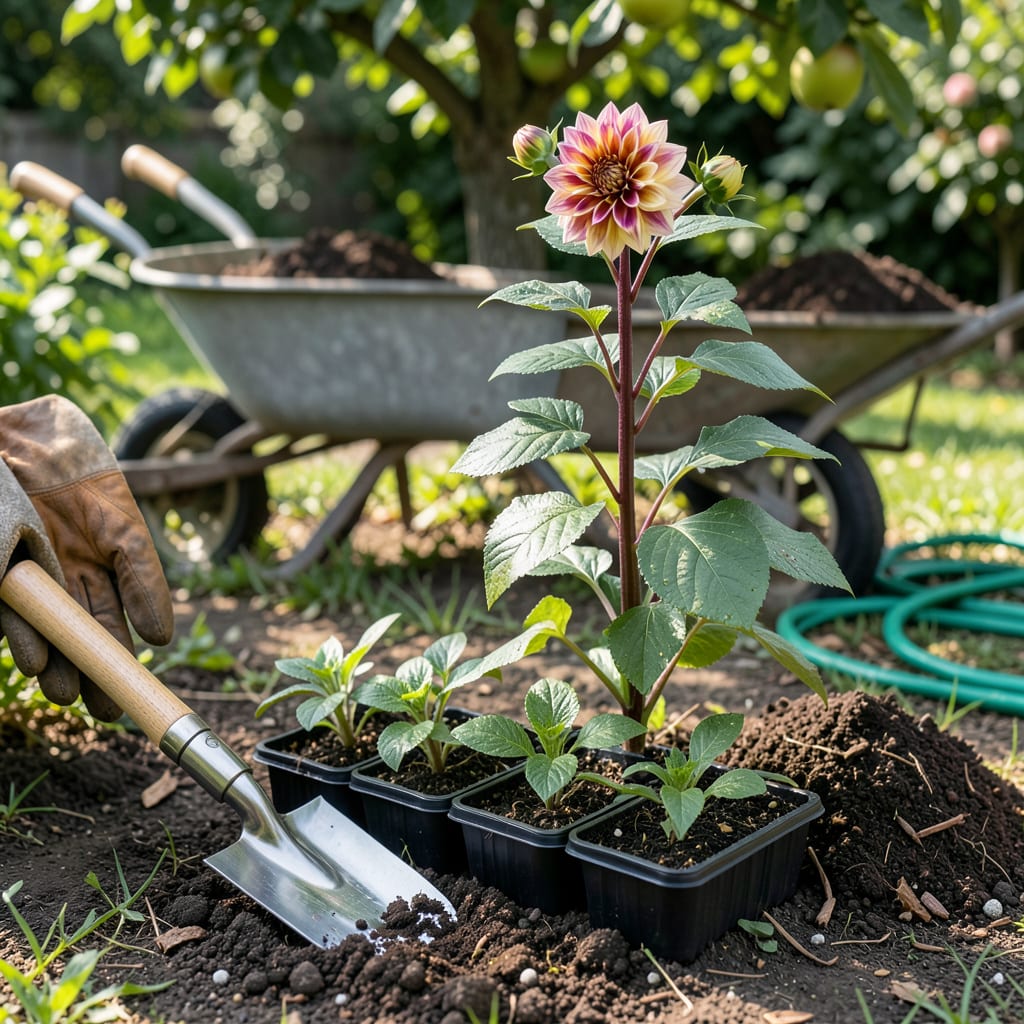
Timing your dahlia planting in Massachusetts can mean the difference between a summer bursting with color and a garden full of disappointments. I’ve seen too many gardeners rush to plant in April, only to lose their tubers to a surprise frost.
The sweet spot? Wait until soil warms to 60°F—typically late May to early June in Zone 6. Stick with me, and I’ll show you how to nail the timing, prep your tubers like a pro, and set yourself up for months of stunning blooms without the guesswork.
If you’re eager to fill your Massachusetts garden with vibrant dahlias, timing is your secret weapon. As a Zone 6 gardener, you’ll need to balance the risk of late frosts with the need for warm soil. I’ve found that late May through early June is the sweet spot for most of the state.
Remember, Massachusetts has microclimates! Coastal areas warm up faster than inland regions, and Boston’s urban heat islands can be 5-10°F warmer than the Berkshires. Always check your local soil temperature—it should be at least 60°F before planting.
| Region | Last Frost Date | Ideal Planting Window | Soil Prep Tip |
|---|---|---|---|
| Coastal MA | April 15 – May 1 | May 1 – May 15 | Add sand for drainage |
| Boston Area | April 25 – May 10 | May 10 – May 25 | Compost for urban soil |
| Western MA | May 1 – May 15 | May 20 – June 5 | Warm soil with black plastic |
*Soil temp should be 60°F+ at 4″ depth. Use a soil thermometer for accuracy.
For earlier blooms, I start my dahlia tubers indoors in early April. Place them in 4-inch pots with well-draining soil and keep under grow lights. This gives me a 4-6 week head start before transplanting after the last frost.
If you’re planting directly in ground, wait until nighttime temperatures stay above 50°F. I’ve learned the hard way that cold snaps in early May can damage tender sprouts. Use row covers if planting before Memorial Day.
Pro tip: Soak tubers in lukewarm water for 1-2 hours before planting. This rehydrates them and kickstarts growth. I also add bone meal to the planting hole for stronger roots.
For cut flower production, I stagger my planting dates. My first batch goes in mid-May (with protection), then another in early June. This extends my harvest window through October.
Watch the 10-day forecast before planting. If nighttime temps will dip below 45°F, hold off or be ready with frost blankets. Dahlias hate cold feet!
In eastern Massachusetts, the ocean moderates temperatures, allowing slightly earlier planting. But in the Pioneer Valley, I wait until after Memorial Day to be safe. When in doubt, wait a week—it’s better than losing tubers.
Remember, dahlia tubers won’t grow in cold soil. I use a soil thermometer to check temps at 4-inch depth. If it’s below 60°F, I wait or use black plastic mulch to warm the soil faster.
Now that you know when to plant, let’s talk about how to plant your dahlias for the best results in Massachusetts. I’ve found that proper soil preparation is half the battle. Start by choosing a sunny location that gets at least 6-8 hours of direct sunlight daily.
Our New England soil tends to be heavy and clay-like, so I always amend my planting area with 2-3 inches of compost and a handful of sand or perlite for drainage. Dahlias hate wet feet, so this step is crucial for preventing rot.
*For wind protection, install stakes at planting time to avoid damaging tubers later.
In coastal areas, I add extra sand to improve drainage since the soil tends to stay wetter. For inland gardens, a thick mulch layer helps retain moisture during our sometimes-dry summers. I use straw or shredded leaves—both work well.
Here’s my staking secret: Install 5-foot bamboo stakes when planting, not after growth starts. This prevents damaging the tubers later. I tie stems loosely with soft plant ties as they grow, creating a support system that can handle our summer storms.
For container planting, choose pots at least 12 inches deep with drainage holes. Use a lightweight potting mix amended with compost. Container dahlias need more frequent watering—check soil moisture daily once temperatures rise above 80°F.
After planting, I apply a balanced fertilizer (10-10-10) lightly. Once buds form, I switch to a low-nitrogen, high-phosphorus formula (5-10-10) to encourage blooming. Remember, dahlias are heavy feeders—plan to fertilize every 4-6 weeks during the growing season.
Watch for slugs and snails—they love tender dahlia sprouts! I use beer traps or iron phosphate baits around my plants. For Japanese beetles, hand-picking in early morning works best. Regular monitoring helps catch pests before they cause serious damage.
Even experienced Massachusetts gardeners can make costly dahlia mistakes that ruin their summer blooms. The most common error I see? Planting too early when soil is still cold. Remember, dahlias need 60°F soil temps—not just air temperatures—to thrive.
Another frequent misstep is overwatering tubers right after planting. Dahlias rot easily in soggy soil, especially in our spring rains. I wait until I see sprouts emerge before increasing water—usually about 2-3 weeks after planting.
*Solution: Use a soil thermometer, stake at planting, and apply iron phosphate slug bait.
Many gardeners also forget to stake their dahlias until it’s too late. Our New England winds can snap unsupported stems, especially for taller varieties. I install 5-foot stakes at planting time and use soft ties to secure stems as they grow.
Poor spacing is another issue that leads to disease. Dahlias need good air circulation to prevent powdery mildew. I plant dwarf varieties 18 inches apart and taller types 24-36 inches apart. Crowded plants compete for nutrients and sunlight.
Finally, don’t overlook pest protection. Massachusetts gardens face slugs, snails, and Japanese beetles that love dahlias. I set up beer traps for slugs in early spring and hand-pick beetles at dawn when they’re sluggish. Regular monitoring prevents small problems from becoming infestations.
Planting before soil reaches 60°F risks tuber rot and poor germination. Our unpredictable April/May frosts can kill emerging sprouts overnight. I lost an entire batch one year by planting in early May—wait for consistent warmth.
Begin tubers in 4-inch pots under grow lights in early April. Use well-draining soil and keep at 65-70°F. Transplant after last frost (typically late May) for blooms 4-6 weeks earlier than direct-planted tubers.
Use frost blankets or row covers if planting before Memorial Day. For unexpected cold snaps, cover plants with buckets or cloches overnight. Remove covers by 10 AM to prevent heat buildup. Coastal gardeners can often plant 1-2 weeks earlier than inland areas.
In Zone 6, plant by early July for fall blooms. Later plantings may not mature before first frost (typically early October). For best results, choose fast-maturing varieties like ‘Gallery Pablo’ or ‘Mignon Single’ if planting late.
Container dahlias require more frequent watering (every 3-4 days in summer) and monthly liquid fertilizer. Use pots at least 12 inches deep with drainage holes. Ground-planted dahlias need less water but benefit from mulching to retain moisture during our dry spells.
