
Beautiful Plants For Your Interior
Beautiful Plants For Your Interior
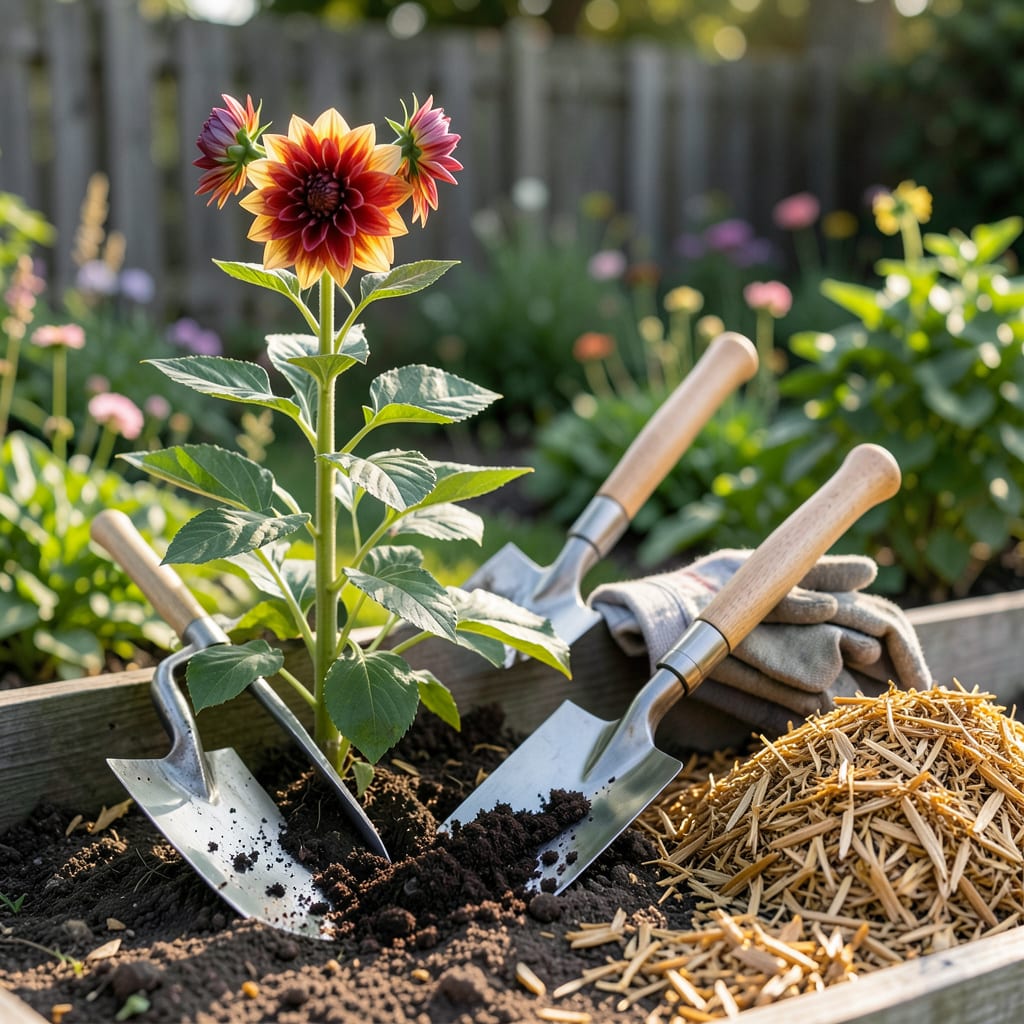
Timing your dahlia planting in Connecticut can feel like a high-stakes gamble—plant too soon, and a late frost could wipe out your tubers. Wait too long, and you’ll sacrifice weeks of those showstopping summer blooms we all crave.
After years of testing (and a few heartbreaking losses), I’ve nailed the perfect window for CT’s finicky climate. Whether you’re in coastal New Haven or the hills of Litchfield County, I’ll show you exactly when to get those tubers in the ground—and how to coax bigger, brighter 🌼 dahlias all season long.
If you’re eager to fill your Connecticut garden with dahlias’ vibrant blooms, timing is your secret weapon. Our state’s zones 6a–7a mean frost dates vary—coastal areas like New Haven warm up faster than inland spots like Litchfield. Plant too early, and a late frost could wipe out your tubers.🌱
Here’s the golden rule: Wait until soil temps hit 60°F—usually late May to early June for most of CT. Coastal gardeners might sneak in a mid-May planting, while northern areas should hold off until early June. Pro tip: Start tubers indoors in April for a head start!☀️
| CT Region | USDA Zone | Last Frost Date | Planting Window | Notes |
|---|---|---|---|---|
| Coastal (New Haven, Groton) | 7a | May 5 | May 15–30 | Warmer microclimate; can plant 1-2 weeks earlier than inland. |
| Central (Hartford, New Britain) | 6b | May 10 | May 20–June 5 | Watch for late spring frosts—keep row covers handy! |
| Northern (Litchfield, Torrington) | 5b-6a | May 15 | June 1–10 | Coolest zone; pre-sprout tubers indoors in April for earlier blooms. |
| All Zones (Indoor Start) | N/A | N/A | April 1–15 | Start tubers in pots or trays; transplant after frost. |
Before planting, check your soil temperature with a thermometer—60°F at 4″ depth is non-negotiable. Cold soil causes tubers to rot. I use a digital soil thermometer (under $20) to take the guesswork out. If your soil’s still chilly, lay black plastic mulch to warm it faster.🌡️
For early blooms, pre-sprout tubers indoors. Place them in shallow trays with damp potting mix, keep at 70°F, and provide bright light. Once sprouts reach 2-3 inches, harden off for a week before transplanting. This trick can give you flowers 3-4 weeks earlier!🌿
CT’s humid summers mean fungal diseases like powdery mildew are a risk. Space plants 18-24 inches apart for airflow, and water at the base in mornings to keep foliage dry. I lost a whole bed of dahlias one year to mildew—now I plant in full sun and use drip irrigation.💧
If you’re in a cooler microclimate (like the Litchfield Hills), consider container planting. Use 15-gallon pots with drainage holes and a mix of potting soil + perlite. You can move pots to shelter if late frost threatens. Dwarf varieties like ‘Gallery Pablo’ thrive in containers.🪴
Don’t forget staking! CT’s summer storms can snap dahlia stems. Install 5-foot stakes at planting time, and tie stems with soft cloth strips as they grow. I use bamboo stakes for smaller varieties and metal stakes for dinnerplate dahlias—they can reach 6 feet tall!✂️
For fall care, keep deadheading spent blooms to encourage more flowers. After the first frost (around October 10 in most of CT), cut back foliage and dig up tubers if you’re in zones 6a or colder. Store them in a cool, dry place (40–50°F) over winter.🌼
If you’re in zone 7a (coastal CT), you might get away with leaving tubers in the ground—but only with 6+ inches of mulch. I’ve had success overwintering ‘Bishop’ series dahlias this way, but it’s risky. Test a few tubers your first year to see how your microclimate handles it.🌷
Even with perfect timing, a few common mistakes can sabotage your Connecticut dahlia crop. I’ve seen gardeners lose entire beds to these errors—don’t let it happen to you! The biggest offender? Planting in cold soil. Dahlias need 60°F+ soil temps to thrive.🌱
Another frequent misstep is overwatering tubers before sprouts appear. Dahlias hate soggy conditions—rot sets in fast in CT’s spring rains. Wait until you see green shoots before increasing water. Trust me, I drowned my first batch of ‘Café au Lait’ dahlias this way!💧
⚠️ CT Dahlia Danger Zone
1. Cold Soil Planting → Tubers rot below 60°F (use a thermometer!)
2. Overwatering Early → Wait for 2″ sprouts before regular watering
3. Ignoring Microclimates → Coastal CT plants 2 weeks earlier than Litchfield Hills
The third mistake is ignoring CT’s microclimates. A gardener in New Haven (Zone 7a) can plant 2 weeks earlier than someone in Torrington (Zone 5b). Coastal areas warm faster, while inland spots stay cooler longer. Always check your specific frost dates—don’t rely on general CT advice!☀️
Here’s a pro tip: Skip the fertilizer at planting time. Dahlias need phosphorus for blooms, but too much nitrogen early on creates leafy monsters with few flowers. I use a 5-10-10 blend only after plants reach 1 foot tall. This simple shift doubled my blooms last season!🌼
Don’t forget about spacing—crowded dahlias invite disease. In CT’s humid summers, 18-24 inches apart is non-negotiable. I learned this the hard way when my ‘Thomas Edison’ dahlias developed powdery mildew. Now I use drip irrigation to keep foliage dry and space plants wider in shady spots.✂️
Finally, staking too late is a rookie error. CT’s summer storms can flatten unsupported stems. Install 5-foot stakes at planting—bamboo for small varieties, metal for dinnerplates. I tie stems with old nylon stockings (gentle but strong!) as they grow. This prevents snapped stems during those sudden Nor’easters.🌬️
Remember, CT’s first frost (around October 10) ends the season. Don’t plant late-blooming varieties like ‘Kelvin Floodlight’ after July 1—they won’t mature in time. Stick to early varieties (‘Mignon Series’) for late plantings, and you’ll still get gorgeous blooms before winter!🌷
Want to squeeze every last bloom out of your Connecticut dahlias? With our short growing season (just 148 frost-free days), timing tricks make all the difference. I’ve stretched my dahlia season by 6+ weeks using these methods—no greenhouse required!☀️
The secret starts indoors in April. Pre-sprout tubers in shallow trays with damp potting mix at 70°F. Once sprouts hit 2-3 inches, harden them off for a week before transplanting. This gives you blooms 3-4 weeks earlier than direct-planted tubers.🌱
💡 CT Season Extension Hacks
Early Start: Pre-sprout tubers indoors April 1–15 for May transplant
Frost Protection: Use row covers for late spring/early fall cold snaps
Microclimate Magic: Plant near south-facing walls for extra warmth
Fall Trick: Mulch with 4-6″ straw to delay first frost damage
For outdoor planting, use black plastic mulch to warm soil faster in spring. This can shave 1-2 weeks off your planting window. In coastal CT (Zone 7a), try cloches or mini greenhouses for ultra-early starts. Just vent them on warm May days to prevent overheating.🌡️
To push blooms into late October, mulch heavily with straw or shredded leaves in September. This insulates roots when temps drop. I’ve kept ‘Bishop of Llandaff’ dahlias blooming until November 1 in New Haven using this trick!🌼
Don’t forget succession planting! In CT’s climate, plant early varieties (like ‘Mignon Series’) in late May, then add mid-season types (‘Gallery Pablo’) in early June. This staggers blooms so you’re not overwhelmed with flowers all at once—or left with none by September.🌷
Coastal areas like New Haven (Zone 7a) can plant as early as mid-May, about 1-2 weeks ahead of inland regions. Just ensure soil temps hit 60°F at 4″ depth. Use row covers if late frost threatens.
Keep frost blankets or row covers on hand until June 1 for inland areas. For unexpected cold snaps, cover plants before sunset and remove by 10 AM the next day. Black plastic mulch also helps warm soil faster.
Only in Zone 7a coastal areas with 6+ inches of mulch. Everywhere else, dig tubers after first frost (around October 10), dry them, and store in a 40–50°F space. Test a few your first year!
Begin tubers indoors April 1–15 in shallow trays at 70°F. Once sprouts reach 2-3 inches, harden off for a week before transplanting. This gives you blooms 3-4 weeks earlier than direct planting.
Water every 3-4 days (about 1.5-2 inches weekly) at the base in mornings. CT’s humidity means fungal risks—avoid wetting foliage. Drip irrigation works best. Adjust for rain; soggy soil causes tuber rot.
