
Beautiful Plants For Your Interior
Beautiful Plants For Your Interior
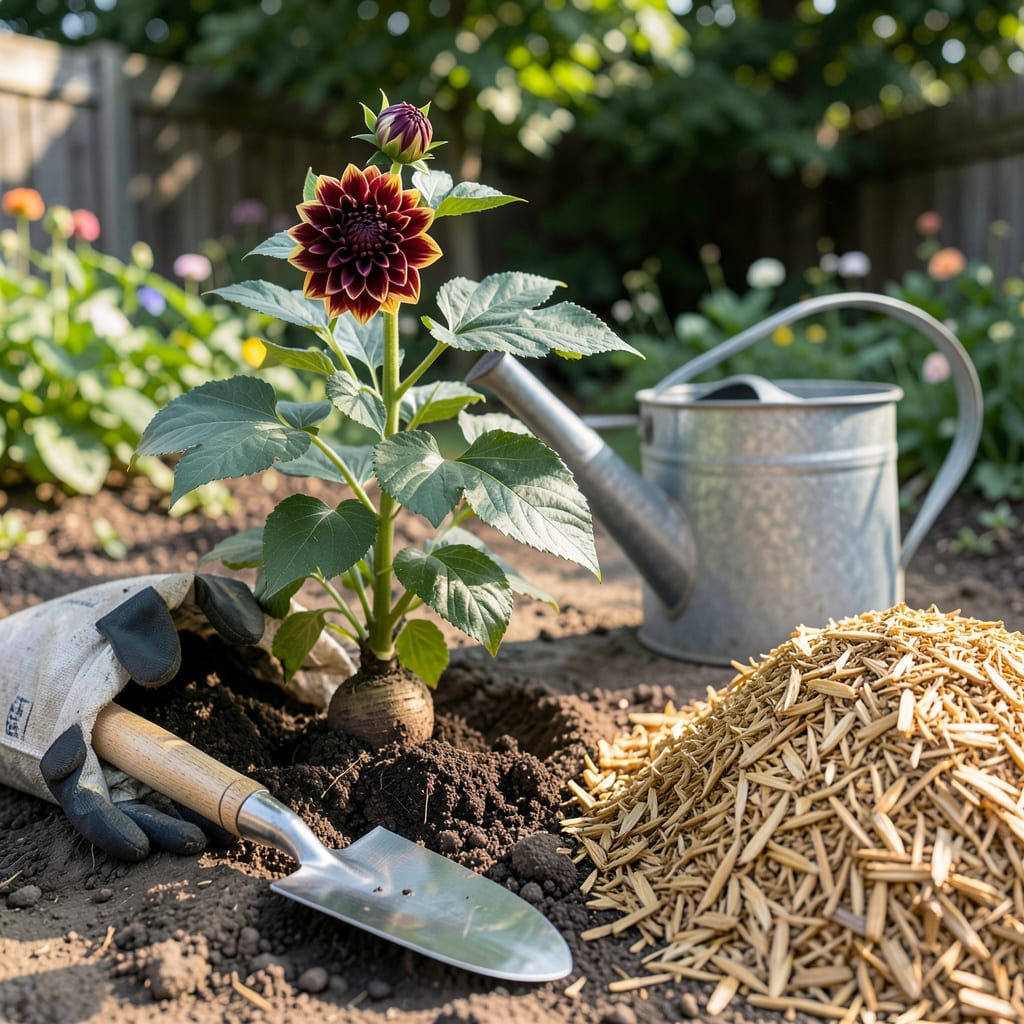
Timing your 🌼 dahlia planting in Colorado can feel like a gamble—plant too early, and a late frost could wipe out your tubers. Wait too long, and you’ll miss those stunning summer blooms we all crave. The difference between success and disappointment often comes down to just a few weeks.
After years of testing (and a few failed attempts), I’ve nailed the perfect window for zones 5a-7a. Whether you’re in Denver’s Front Range or the higher elevations, I’ll show you exactly when to get those tubers in the ground—and how to protect them from Colorado’s unpredictable swings. Let’s make this your best dahlia season yet.
If you’re eager to fill your Colorado garden with vibrant dahlias, timing is your secret weapon. Our short growing season and unpredictable weather mean planting too early risks frost damage, while waiting too long cuts your bloom time short. I’ve found the sweet spot for zones 5-6 is late May to early June, but let’s break it down by microclimate.
Colorado’s elevation swings create wildly different conditions—Denver’s last frost (around May 15) arrives weeks before high-altitude areas like Breckenridge (closer to June 15). Always check your local frost dates and monitor soil temperature (aim for 60°F+). Pro tip: Start tubers indoors in April for a head start!
| Stage | Front Range (Denver/Boulder) | High Altitude (7,000+ ft) | Western Slope (Grand Junction) |
|---|---|---|---|
| Start Tubers Indoors | Early April | Mid-April | Late March |
| Last Frost Date | May 5–15 | June 1–15 | April 20–30 |
| Plant Outdoors | Mid-May (after frost) | Early June | Late April |
| First Blooms | Late July | Early August | Mid-July |
| Dig Up Tubers | After first frost (Oct 1–15) | After first frost (Sept 15–30) | After first frost (Oct 15–30) |
In the Front Range, I’ve had the best luck planting dahlia tubers around Memorial Day weekend. This gives the soil enough time to warm after our late spring snowstorms. For high-altitude gardens (think Estes Park or Summit County), wait until early June—even if you’re itching to get started. The Western Slope enjoys earlier warmth, so late April plantings often work.
Don’t forget to harden off your tubers if you started them indoors. A week before transplanting, place them outside in partial shade for a few hours daily, gradually increasing exposure. This prevents transplant shock, which can stunt growth for weeks. I lost a whole batch of ‘Café au Lait’ dahlias my first year by skipping this step—learn from my mistake!
Colorado’s clay-heavy soil can be a challenge, especially in the Denver area. I recommend amending your beds with compost and sand to improve drainage. Dahlias hate wet feet, so consider raised beds if your soil stays soggy. For wind-prone areas (looking at you, Eastern Plains), stake tall varieties like ‘Dinnerplate Dahlias’ at planting time to avoid broken stems later.
If you’re dealing with a late spring (hello, June snow!), don’t panic. Dahlias grow quickly once the weather warms. Just keep tubers in pots indoors until conditions improve. I’ve successfully planted as late as June 20 in Boulder and still gotten blooms by August. Mulching with straw or shredded leaves helps retain moisture and regulate soil temp.
For earlier blooms, try this trick: pre-sprout tubers in damp potting mix under grow lights 4–6 weeks before planting. Once sprouts reach 2–3 inches, pinch them back to encourage bushier growth. This method can shave 2–3 weeks off your time to first flowers, which is gold in our short season.
Remember, Colorado’s intense sun and low humidity mean dahlias need consistent watering—1–2 inches per week—but always water at the base to avoid fungal issues. I set up drip irrigation on a timer to keep things steady
Colorado’s finicky climate makes growing dahlias a bit of a high-stakes game. After years of trial and error (and a few heartbreaking losses), I’ve pinpointed the three biggest mistakes that can ruin your dahlia season before it even starts. Avoid these, and you’ll be rewarded with healthier plants and more blooms.
First up: planting too early. I get it—the second the snow melts, we’re all itching to dig in the dirt. But Colorado’s late frosts (yes, even in June!) can turn your dahlia tubers to mush overnight. Always wait until soil temps hit 60°F—no exceptions. A soil thermometer is your best friend here.
The second mistake? Overwatering in clay soil. Denver’s heavy clay holds moisture like a sponge, which spells disaster for dahlia tubers. I learned this the hard way when my first-year dahlias developed root rot despite our dry climate. The fix? Amend soil with compost and sand before planting, and consider raised beds for better drainage.
If you’re on the Eastern Plains or in windy areas like Colorado Springs, don’t overlook the third critical error: skipping wind protection. Those gorgeous dinnerplate dahlias can reach 5–6 feet tall, turning into sails in our notorious winds. Always stake at planting and use windbreaks like burlap screens or strategically placed shrubs.
Here’s a pro tip for high-altitude gardeners: Our intense UV and drying winds mean dahlias need extra TLC. Mulch with straw or shredded bark to retain moisture, and consider shade cloth for afternoon sun in July/August. I’ve saved many a wilted dahlia with a quick deep watering at the first sign of stress.
Finally, resist the urge to fertilize too early. Dahlias in Colorado’s lean soils need nutrients, but high nitrogen early on leads to leafy growth with fewer blooms. Wait until you see buds forming, then switch to a low-nitrogen, high-phosphorus fertilizer (like 5-10-10) to encourage those spectacular flowers we all love.
By sidestepping these common pitfalls, you’ll set your dahlias up for success—even in Colorado’s challenging growing conditions. Trust me, your future self will thank you when you’re cutting armloads of blooms in August and September! 🌼
Colorado’s short growing season doesn’t mean you have to sacrifice stunning dahlias. After testing dozens of varieties, I’ve found the top performers that thrive in our zones 5-6 climate. The key is choosing early-blooming and cold-hardy cultivars that can handle our temperature swings.
For dinnerplate dahlias, ‘Karma Choc’ is my absolute favorite—its deep burgundy blooms hold up to Colorado’s intense sun and drying winds. If you love pompom dahlias, ‘Franz Kafka’ offers cheerful pink blooms on compact plants, perfect for windy areas. Both varieties start flowering earlier than most, giving you more time to enjoy them.
If you’re gardening at higher elevations (above 7,000 ft), focus on smaller-flowered varieties like ‘Happy Single Party’ or ‘Bishop of Llandaff’. These bloom faster and handle cooler nights better than their dinnerplate cousins. For Front Range gardens, ‘Kelvin Floodlight’ offers sunny yellow blooms that brighten up any space.
To extend your season, try pre-sprouting tubers indoors in March under grow lights. This gives you a 4–6 week head start, critical for getting blooms before fall frost. I also recommend mulching heavily with straw to protect roots from temperature fluctuations. In windy areas, use tomato cages for support—they’re less obtrusive than stakes.
For cut flower gardens, prioritize varieties like ‘Ferncliff Illusion’ (deep red) or ‘Penhill Watermelon’ (striped pink). These have strong stems and last 7–10 days in a vase.
No matter which varieties you choose, deadhead regularly to encourage more blooms. In Colorado’s dry climate, I’ve found that weekly deep watering (1–2 inches) keeps plants happiest. With the right varieties and care, you’ll be enjoying dahlias from July through October! 🌼
In Colorado’s high-altitude zones (7,000+ ft), aim to plant by early June—after the last frost (typically June 1–15). Even then, keep row covers handy for unexpected cold snaps. Higher elevations have shorter seasons, so every week counts!
Yes! Using frost blankets or cloches lets you plant 2–3 weeks earlier in the Front Range. Just ensure soil temps reach 55°F+ first. Remove covers during warm days to prevent overheating. This trick works best for pre-sprouted tubers.
Use a soil thermometer to check temps at 4–6 inches deep. Dahlias need 60°F+ to thrive. If your soil feels chilly to the touch, wait! Pro tip: Dark mulch (like black plastic) can warm soil faster in spring.
Cover newly planted tubers with 6–8 inches of straw or use floating row covers. For potted dahlias, move them to a sheltered area. Most dahlias survive light snow if soil temps stay above 50°F. Remove covers once temps rise to avoid mold.
No—Colorado’s winters are too harsh for dahlia tubers. Dig them up after the first frost (usually October), dry for 2–3 days, then store in a cool, dark place (40–50°F). Replant next spring for another stunning season!
