
Beautiful Plants For Your Interior
Beautiful Plants For Your Interior
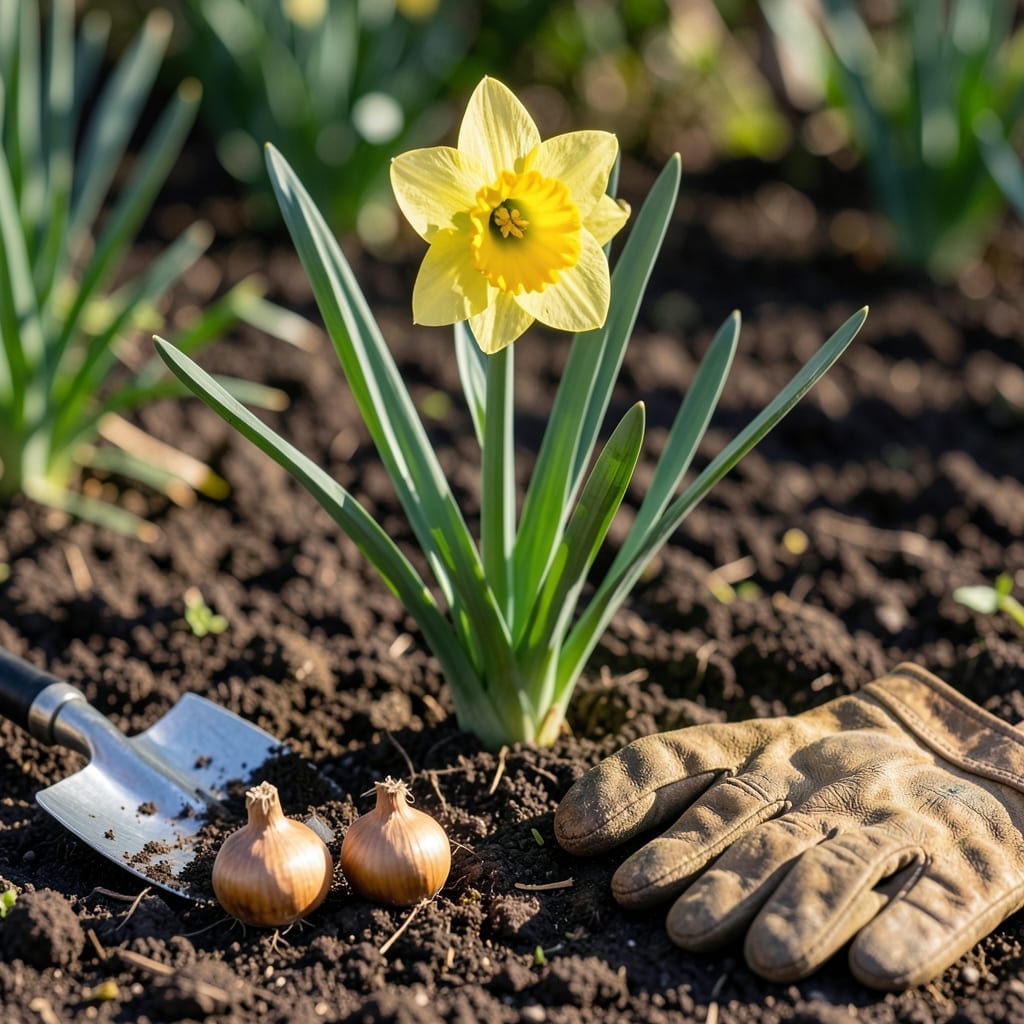
Timing is everything when it comes to planting Daffodils—get it wrong and you might miss those vibrant spring blooms. The 🌼 loves a fall start, giving roots time to establish before winter hits.
In zones 4-8, the sweet spot is September through November, but exact timing depends on your local frost dates. Plant too early, and bulbs may sprout prematurely; too late, and they won’t take root.
Discover the simple tricks to nail your planting window and guarantee a stunning display come spring. Let’s dig in.
Getting the timing right is the secret to a vibrant spring display of daffodils. The ideal window is fall planting, giving bulbs time to establish roots before winter dormancy sets in.
For most gardeners in USDA zones 4-8, this means getting bulbs in the ground 6-8 weeks before the first hard frost. This typically falls between September and November, depending on your local climate.
| USDA Zone | Planting Months | Soil Temp |
| 4-5 | September-October | Below 60°F |
| 6-7 | October-November | Below 60°F |
| 8 | November-December | Below 60°F |
The magic happens when soil temperatures drop to around 60°F or below. This cool period triggers root growth while preventing premature sprouting. I always check my local soil temperature with a simple thermometer.
In warmer zones like 8-9, you might need to pre-chill bulbs for 6-8 weeks before planting. This mimics winter conditions and ensures proper vernality. I’ve found this extra step makes all the difference in milder climates.
For northern gardeners in zones 3-4, aim to plant as soon as the soil is workable in early fall. The ground freezes quickly, so early September is your best bet for establishing roots before winter.
Remember that bulb quality matters as much as timing. Choose firm, plump bulbs without soft spots or mold. I always source mine from reputable nurseries to ensure healthy stock.
If you’re unsure about your timing, here’s a simple rule: plant when nighttime temperatures consistently stay between 40-50°F. This is nature’s signal that it’s daffodil planting time.
For container planting, the same timing applies, but you’ll want to insulate pots if temperatures drop below freezing. I’ve had great success with daffodils in containers on my sunny patio. 🌼
Lastly, don’t forget that soil preparation is key. Work in plenty of compost before planting to ensure good drainage. Daffodils hate waterlogged soil, which can cause bulbs to rot over winter.
Fall is the perfect time to plant daffodils, but following the right steps ensures strong root growth and vibrant spring blooms. I always start by selecting a sunny location with well-draining soil.
Soil preparation is key—I work in 2-3 inches of compost to improve fertility and drainage. Daffodils thrive in loamy soil but can adapt to clay if amended properly. 🌼
Once planted, water deeply once a week until the ground freezes. This helps roots establish before winter. I avoid overwatering, as soggy soil can cause bulbs to rot.
In colder climates, a layer of mulch protects bulbs from freeze-thaw cycles. I use straw or shredded leaves for insulation. Remove mulch in early spring to allow shoots to emerge easily.
If you’re planting in containers, ensure pots have drainage holes. Use a quality potting mix and place containers in a sunny spot. Move them to a sheltered location if harsh freezes are expected.
Finally, mark your planting spots with small stakes or flags. This prevents accidental digging in spring before foliage appears. With these steps, you’ll enjoy beautiful daffodils year after year. ✂️