
Beautiful Plants For Your Interior
Beautiful Plants For Your Interior
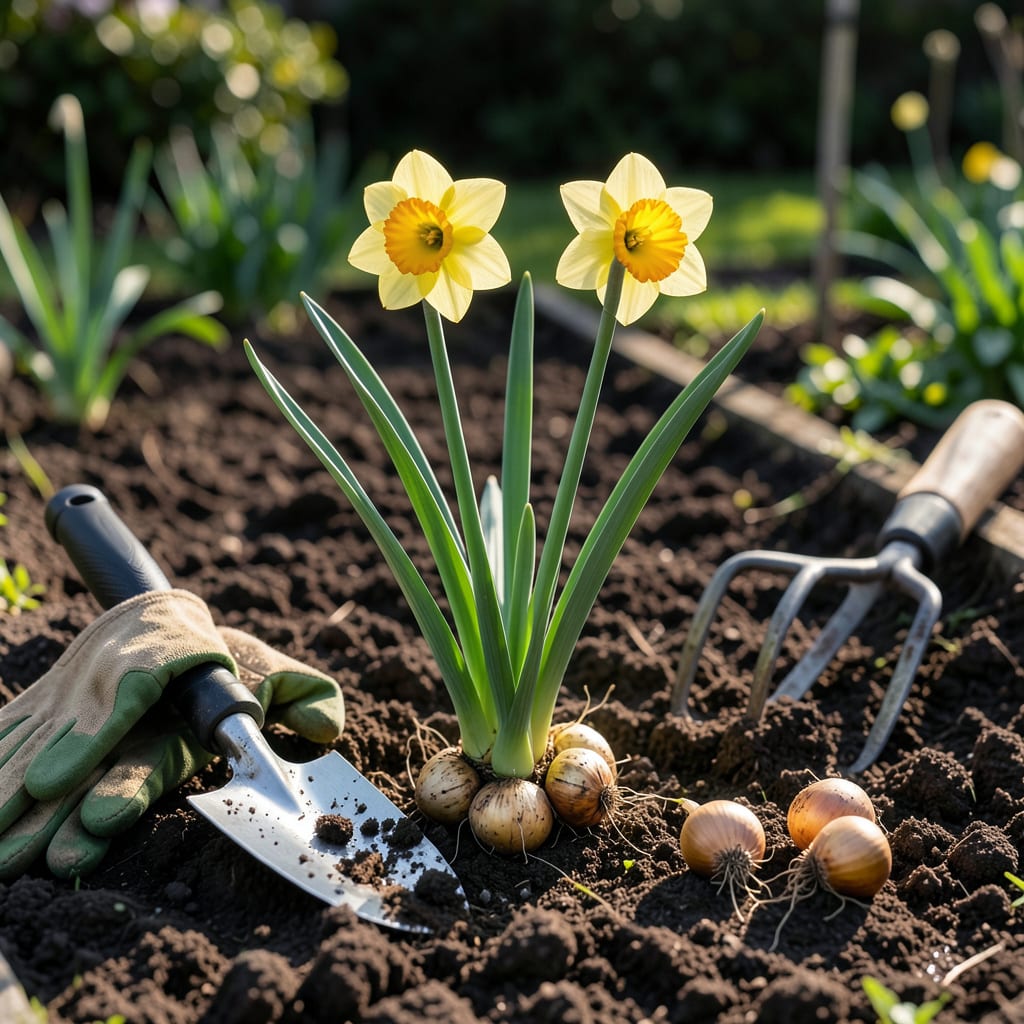
There’s nothing quite like the sight of cheerful 🌼 daffodils pushing through Michigan’s thawing soil after a long winter. But here’s the catch: if you don’t plant those bulbs at the right time, you might end up with sparse blooms—or none at all.
I’ve learned the hard way that timing is everything in Zone 5. Too early, and bulbs sprout before frost; too late, and roots won’t establish. Let me show you the exact fall window for Michigan gardeners to guarantee vibrant spring color—without the guesswork.
If you’re dreaming of a vibrant spring garden in Michigan, fall is your secret weapon. Daffodils need 4-6 weeks of root growth before the ground freezes, so timing is everything. Plant too early, and warm soil may trick bulbs into sprouting prematurely. Wait too long, and they won’t establish roots before winter.
Michigan’s Zone 5 climate means our ideal window is late September through early November. Aim for soil temps below 60°F—this signals bulbs to grow roots, not leaves. I’ve found that Upper Peninsula gardeners should plant earlier, while Lower Peninsula folks can push closer to November.
| Region | Ideal Months | Soil Temp Goal |
|---|---|---|
| Upper Peninsula | Late August – Mid-October | Below 55°F |
| Northern Lower Peninsula | Early September – Late October | 50°F – 55°F |
| Southern Lower Peninsula | Mid-September – Early November | 55°F – 60°F |
*Check local frost dates—plant 6 weeks before your area’s first hard freeze.
Why does this timing matter? Daffodils need cold stratification to bloom. Planting in fall allows roots to develop before winter, while the bulb itself stays dormant. Come spring, they’ll burst into color right when you need it most. I always mark my calendar for October 1st as my personal planting reminder.
Michigan’s clay-heavy soil can be tricky, so I recommend testing drainage before planting. Dig a hole, fill it with water, and time how long it takes to drain. If it’s still soggy after 30 minutes, amend with compost or sand. Daffodils hate wet feet—this simple test saves me headaches every year.
Here’s a pro tip: Use a soil thermometer (available at garden centers) to check temps at 6-inch depth. When it consistently reads below 60°F, it’s go time. I’ve found this more reliable than calendar dates, especially during Michigan’s unpredictable falls where we might get 70°F days in October!
Don’t forget about deer pressure—Michigan’s whitetail population loves daffodil foliage. If you’re in a rural area, consider planting deer-resistant varieties like ‘Ice Follies’ or ‘Tête-à-Tête’, or use chicken wire cages over planting areas until shoots emerge in spring. I learned this the hard way after losing half my bulbs one winter!
For naturalizing (letting bulbs multiply over years), choose a spot with full sun to partial shade. Daffodils thrive with 6+ hours of sunlight but appreciate afternoon shade in hotter microclimates. I’ve had great success planting along east-facing foundations where they get morning sun but avoid harsh afternoon heat.
Remember, daffodils are perennial workhorses—once planted, they’ll return for years with minimal care. The effort you put into proper timing and placement now pays off with decades of spring color. My grandfather’s 1970s plantings still bloom reliably every April, proof that getting the timing right creates a legacy in your garden.
If you miss the fall window, don’t panic! You can plant daffodils as late as December in Michigan, as long as the ground isn’t frozen. Use a bulb planter to minimize soil disturbance, and add extra mulch for insulation. I’ve rescued last-minute bulbs this way with great success—better late than never for these resilient flowers! 🌼
Now that you know when to plant your daffodils in Michigan, let’s talk about how to plant them for the best results. Proper technique ensures your bulbs establish strong roots and produce abundant spring blooms year after year. Trust me, a little extra care now saves disappointment later!
Start by selecting a sunny location with well-draining soil—daffodils thrive in 6+ hours of sunlight daily. In Michigan, avoid low-lying areas where water pools, especially after our heavy spring rains. If your soil is clay-heavy (common in many Michigan gardens), amend it with compost or sand to improve drainage.
*For deer-prone areas, add a sprinkle of blood meal or lay chicken wire over planting areas until spring.
One mistake I see Michigan gardeners make is planting too shallow. Remember, daffodil bulbs need to be buried 6-8 inches deep to protect them from our harsh winters. This depth also helps prevent bulbs from heaving out of the ground during freeze-thaw cycles, which are common in Michigan’s unpredictable springs.
After planting, water thoroughly—this is critical for root development. Continue watering weekly until the ground freezes, giving your bulbs about 1 inch of water per week. I like to mark my planting spots with small flags so I remember where to water and can avoid accidentally disturbing the area during fall cleanup.
For naturalizing daffodils (letting them multiply over years), choose a permanent location where they won’t be disturbed. I’ve had great success planting along woodland edges or in perennial borders, where they can spread without competition. Avoid areas you’ll need to till or dig in future years.
Don’t forget about fertilizing! After planting, I apply a low-nitrogen, high-phosphorus fertilizer (like 5-10-10) to encourage root growth. Sprinkle about 1 tablespoon per bulb and work it lightly into the soil surface. This gives your daffodils the nutrients they need to establish before winter.
Finally, be patient! While it’s tempting to check on your bulbs, resist the urge to dig them up. Daffodils need that cold period to develop properly. Come spring, you’ll be rewarded with cheerful blooms that announce the end of Michigan’s long winter—well worth the wait! 🌼
Choosing the right daffodil varieties makes all the difference in Michigan’s unpredictable climate. Not all daffodils thrive equally in our Zone 5 winters, so I focus on cold-hardy cultivars that can handle our freeze-thaw cycles and occasional late snowstorms. Let me share my top performers that come back reliably year after year.
For early blooms, I swear by ‘Tête-à-Tête’—this miniature daffodil pushes through snow and blooms when you need color most. Its golden-yellow flowers appear in late March, often before the last frost. Another winner is ‘Ice Follies’, with its creamy white petals and lemon center, which naturalizes beautifully in Michigan gardens.
*All varieties listed are deer-resistant and Zone 5 hardy.
When designing your daffodil display, think about companion plants that complement their spring show. I love pairing daffodils with grape hyacinths for a blue-and-yellow contrast, or tulips for extended color. For pest control, interplant with alliums—their onion scent deters deer and rodents that might nibble your bulbs.
For naturalizing, I recommend planting daffodils in drift-like clusters rather than straight rows. This mimics how they grow in nature and creates a more organic look as they multiply. Choose locations where they can spread undisturbed, like woodland edges or perennial borders. I’ve had great success with this approach along my property’s tree line.
Don’t overlook foliage companions either. Daffodil leaves need 6-8 weeks after blooming to replenish the bulb. I plant them alongside hostas or ferns that emerge later and hide the dying daffodil leaves. This keeps my garden looking tidy while allowing bulbs to store energy for next year’s blooms.
For urban gardeners or those with limited space, consider container plantings. Daffodils thrive in pots with good drainage. I use 12-inch deep containers filled with bulb mix, and place them where I’ll see them from my windows. After blooming, I move the pots to a less visible spot to let the foliage mature before storing the bulbs for next year. 🌼
Planting too early in warm soil can trick bulbs into sprouting prematurely. This exposes tender shoots to Michigan’s early frosts, potentially damaging or killing the bulb. Aim for soil temps below 60°F—typically late September or later in most regions.
Yes, but act quickly! You can plant until the ground freezes solid. Use a bulb planter to minimize soil disturbance, and add 3-4 inches of mulch for insulation. Bulbs planted after frost may bloom slightly later the first year.
Deer love daffodil foliage, so choose deer-resistant varieties like ‘Ice Follies’ or ‘Tête-à-Tête’. For extra protection, lay chicken wire over planting areas until shoots emerge in spring, or sprinkle blood meal around bulbs.
Amend clay soil with 2-3 inches of compost and sand to improve drainage. Test drainage by filling a hole with water—it should empty within 30 minutes. Consider raised beds if your soil stays soggy, as daffodils rot in waterlogged conditions.
You can plant as long as the ground isn’t frozen solid—often through early December in southern Michigan. Use a bulb planter or warm the soil with hot water if needed. Add extra mulch and water thoroughly to help roots establish before winter.
